
Fascial Release (IASTM)
Fascial Release, also known as Instrument-Assisted Soft Tissue Mobilisation (IASTM), is a specialised technique designed to target the body’s connective tissue system. It works in conjunction with adhesion release and pressure-wave therapy to break down peripheral scar tissue and adhesions within the fascia, which connects the underside of the skin to the muscular system. This combined approach helps restore smooth movement, reduces restriction, and supports overall recovery.
Fascia supports muscles and joints, but when it becomes restricted due to injury, scar tissue, or chronic overload, it can cause pain and limit movement. Using stainless steel tools, our clinicians identify and treat these restrictions, breaking down surface adhesions and stimulating tissue repair. This method improves glide between tissues, restores flexibility, and thus reduces pressure on nerves and joints. At The DISC Chiropractors, we integrate fascial release into our comprehensive protocols to enhance the impact of decompression, adjustments, and rehabilitation. Patients often experience increased mobility, reduced stiffness, and enhanced resilience.
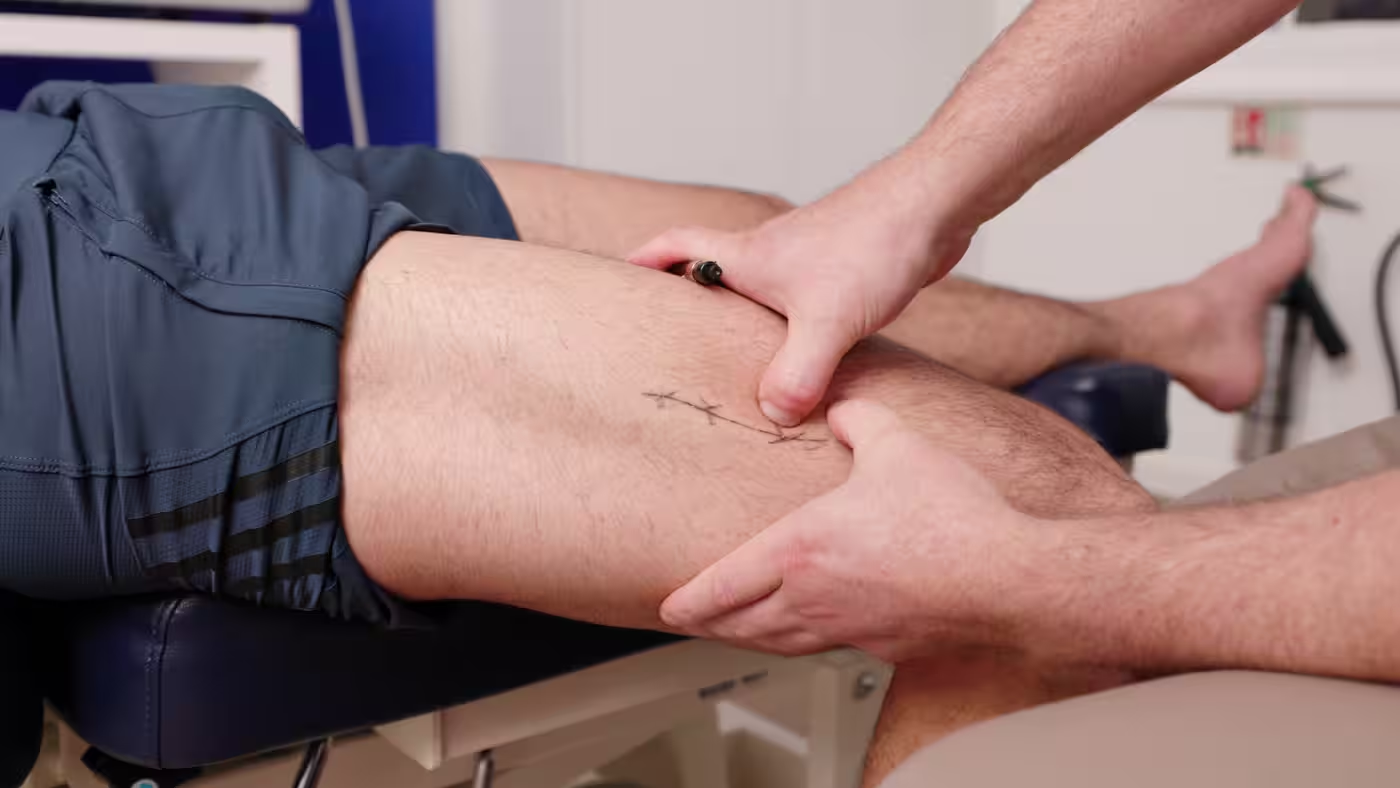
Fascial release is a technique aimed at breaking up tension and adhesions within this connective tissue, promoting better movement and overall wellness. Therefore, fascial release offers a plethora of benefits within chiropractic care. By reducing pain and tension, it allows the body to heal naturally. Additionally, it improves mobility and flexibility, enabling patients to regain lost range of motion and enjoy an active lifestyle.
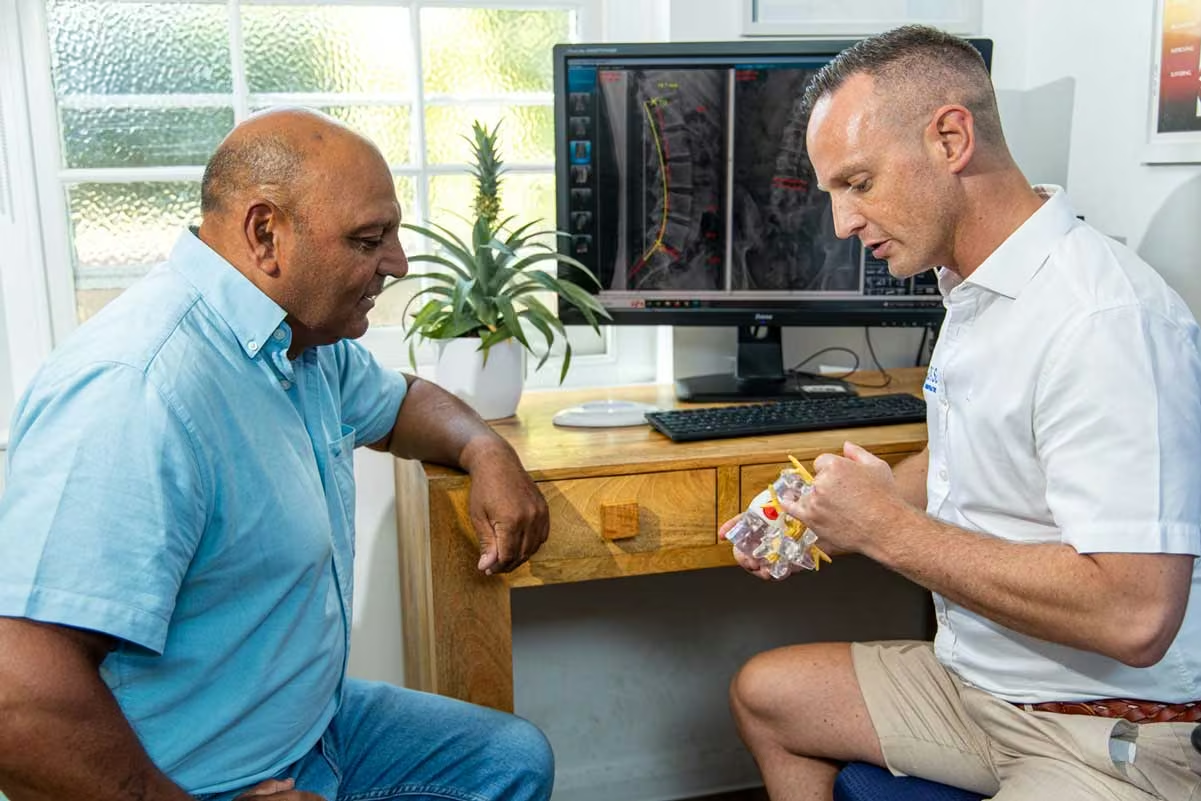
At The DISC Chiropractors, we employ a variety of techniques for effective fascial release.
Myofascial release involves sustained pressure to release tension, while a hands-on Active Release Technique (ART) combines movement with pressure for targeted relief, we also utilize Instrument-Assisted Soft Tissue Mobilization (IASTM) to address specific problem areas as well as cupping massage techniques.
Fascial release is particularly beneficial for patients with chronic or stubborn pain patterns that involve a high degree of scar tissue build up. By addressing the root cause of pain and discomfort, this technique can significantly improve these conditions.
The techniques we use at DISC, Surbiton are additionally beneficial for stimulating blood flow and lymphatic drainage, aiding in tissue healing, reducing inflammation, and promoting overall tissue health. Fascial Release can accelerate the healing process by targeting soft tissue dysfunction, and facilitating the remodelling of scar tissue, making it more pliable and less restrictive. This in turn allows for quicker recovery from injuries and overuse conditions.
Our approach to fascial release starts with a comprehensive assessment and diagnosis. From there, our skilled chiropractors create personalised treatment plans, initially aimed at targeting the immediate source of pain. Combining fascial into a treatment plan normally occurs in the secondary phases of care when pain and inflammation are reduced, and we are looking to identify and support the underlying dysfunctions that have created the patient’s condition in the first place. This holistic approach enhances the effectiveness of the treatment as well as the longevity of improvement.
Frequently Asked Questions
What does fascial release feel like?
Fascial release may cause mild discomfort during the treatment but is generally not painful. Patients often report feeling more relaxed and experiencing increased mobility afterward.
How long does it take to see results?
The timeline for results varies depending on the individual and the severity of the condition. Some patients experience improvement after the first session, while others may require a few sessions to notice significant changes.
Is fascial release suitable for everyone?
Fascial release is safe for most individuals. However, it is essential to consult with a qualified chiropractor to determine the best course of action for your specific needs.
Is it normal to experience redness or bruising following fascial release?
Yes, absolutely. Often fascial release will bring to the surface of the skin the broken-down scar tissue which includes old blood cells. A “no holds barred” session can look pretty bruised afterwards but generally wont feel tender to touch as no fresh tissue damage has occurred.
Hopefully it goes without saying you are always welcome to discuss prior to treatment, just how much bruising you are comfortable with if you decide to embark on this soft tissue work, with our experienced clinicians.