
Pain Between the Shoulder Blades: How to Tell What's Causing It
People describe upper back pain in surprisingly consistent ways. They reach over one shoulder and press a thumb into the inside edge of the shoulder blade. They call it a knot. A burning patch. An ache they cannot quite get to. Something that catches when they breathe in.
The temptation is to assume only one issue is responsible.
Often it is not.
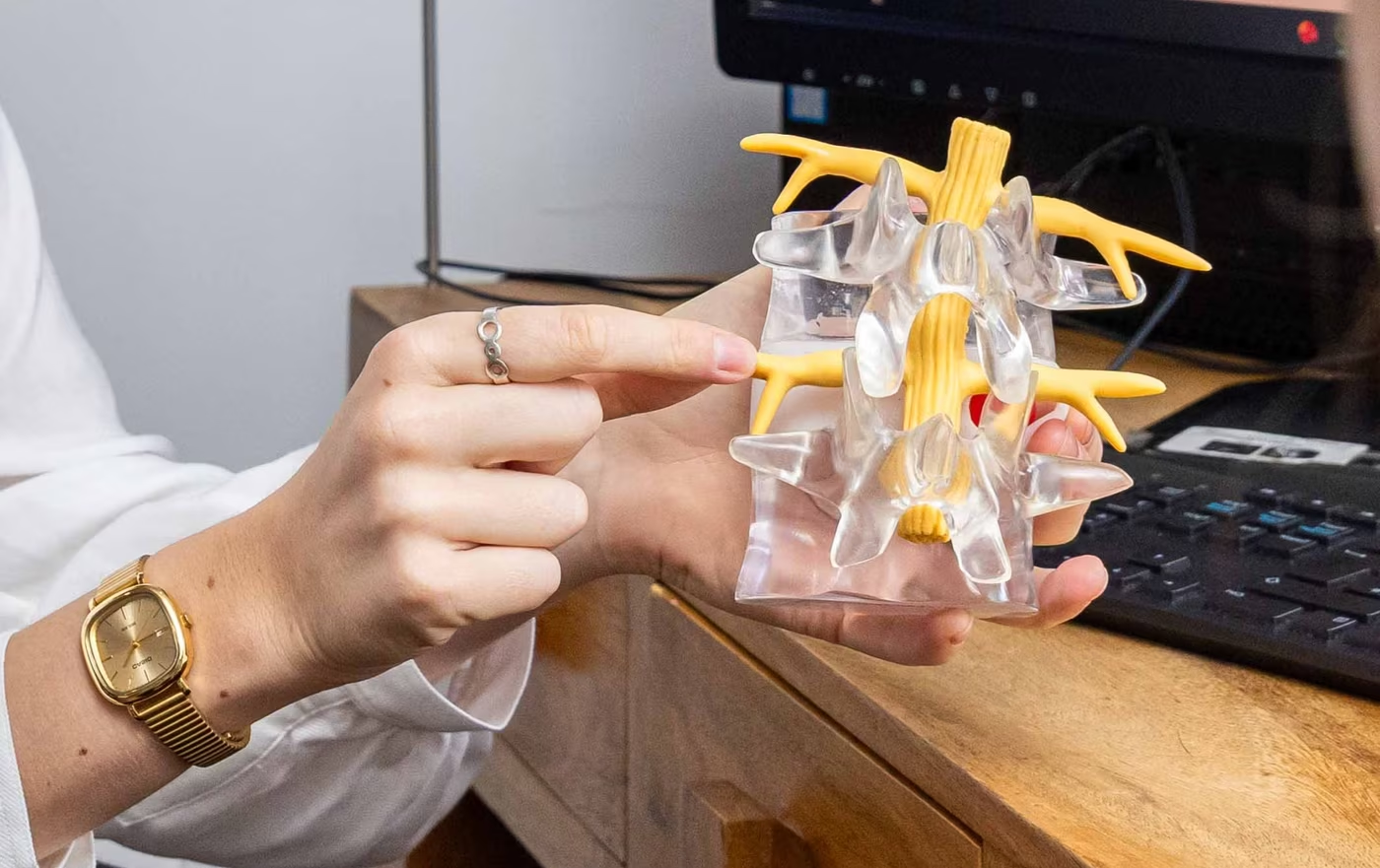
The area between and around the shoulder blades is a crossroads for the neck, upper thoracic spine, ribs, shoulder girdle, muscles and several important nerves. Pain in almost the same place can therefore arise for quite different reasons. Sometimes it’s simple postural stress; others involve chronic or complex patterns of instability or imbalance.
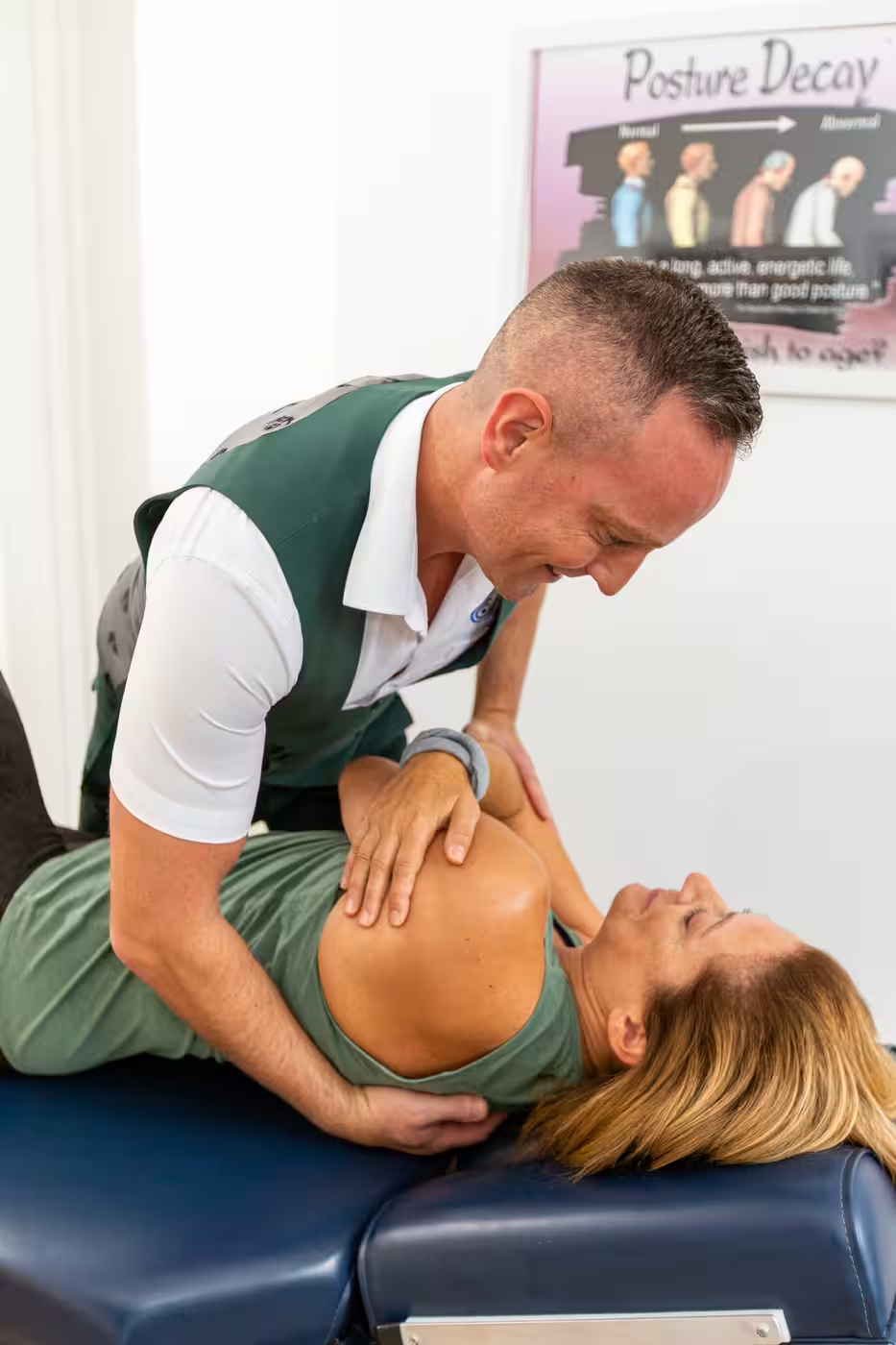
What the pain in the upper back feels like and what that tells you
The character of the pain can sometimes narrow the field faster than its location does.
A deep, dull ache that builds through the day and spreads over a hand-sized area usually points toward the joints and deep muscle of the upper back, or toward something referring from the neck. A sharp, well-localised catch that you can find with one fingertip is more often a rib or a single irritable joint.
Burning is common and, on its own, tells you less than people expect. It occurs with muscular and joint problems as readily as with nerve irritation. Tightness across the top of the shoulders and along the inside edge of the blade is nearly universal and is usually a response to a problem rather than the problem itself.
One pattern is worth taking seriously in its own right: pain that is constant, unrelated to position or movement, and not eased by anything. Mechanical problems almost always have something that helps, even briefly. Pain that ignores everything you do deserves a specialist assessment, whilst it could still fit the description of discogenic pain; we have also provided a section on non-musculoskeletal causes below.

Sharp pain when you breathe in
Pain in the upper back that catches on a deep breath usually comes from a rib joint, but it is also the one presentation where a chest cause has to be ruled out first.
Each rib forms two small joints with the spine, and they move every time you breathe. When one becomes irritated or stiff, maybe after a bout of coughing, a heavy training session, or something relatively inconsequential like an awkward lift.
The result is a sharp, well-localised catch beside the spine or under the shoulder blade that bites on a deep breath, a cough, or twisting to look behind you. It is often described as feeling “stuck”, and people commonly try to crack it.
The mechanical version behaves predictably: it is reproducible, it has a position that eases it, and it changes when you change what your ribcage is doing. Breathing-related pain that comes with breathlessness, a cough producing blood, fever, or a racing heart is a different problem and needs same-day medical assessment rather than a musculoskeletal opinion.
Unfortunately, clinically, a rib out of place can be one of the most painful versions of upper back pain. Which means many people mistake it for a more sinister heart problem.
Does the side it's on tell you anything?
Which shoulder blade hurts tells you less about the cause than most people expect, with one exception that matters.
Left-sided and right-sided pain are searched for in very different volumes, and patients often assume the side is diagnostically meaningful. For musculoskeletal causes it usually is not: an irritable joint, a stiff rib or a neck referring into the area will affect whichever side it happens to be on. Sidedness tells you roughly where the irritated structure sits, and nothing about what kind of structure it is.
The exception is the non-musculoskeletal list, which is genuinely side-dependent. Pain felt between or beneath the left shoulder blade is the one that occasionally reflects a heart problem. Pain under the right shoulder blade is a well-recognised referral site for the gallbladder. Neither is common, and neither should be assumed from the side alone but the side is the reason the questions differ, and the section below sets out what to do about each.
What makes it better or worse and the hints they give
The question that actually separates these causes is the one most people have never been asked.
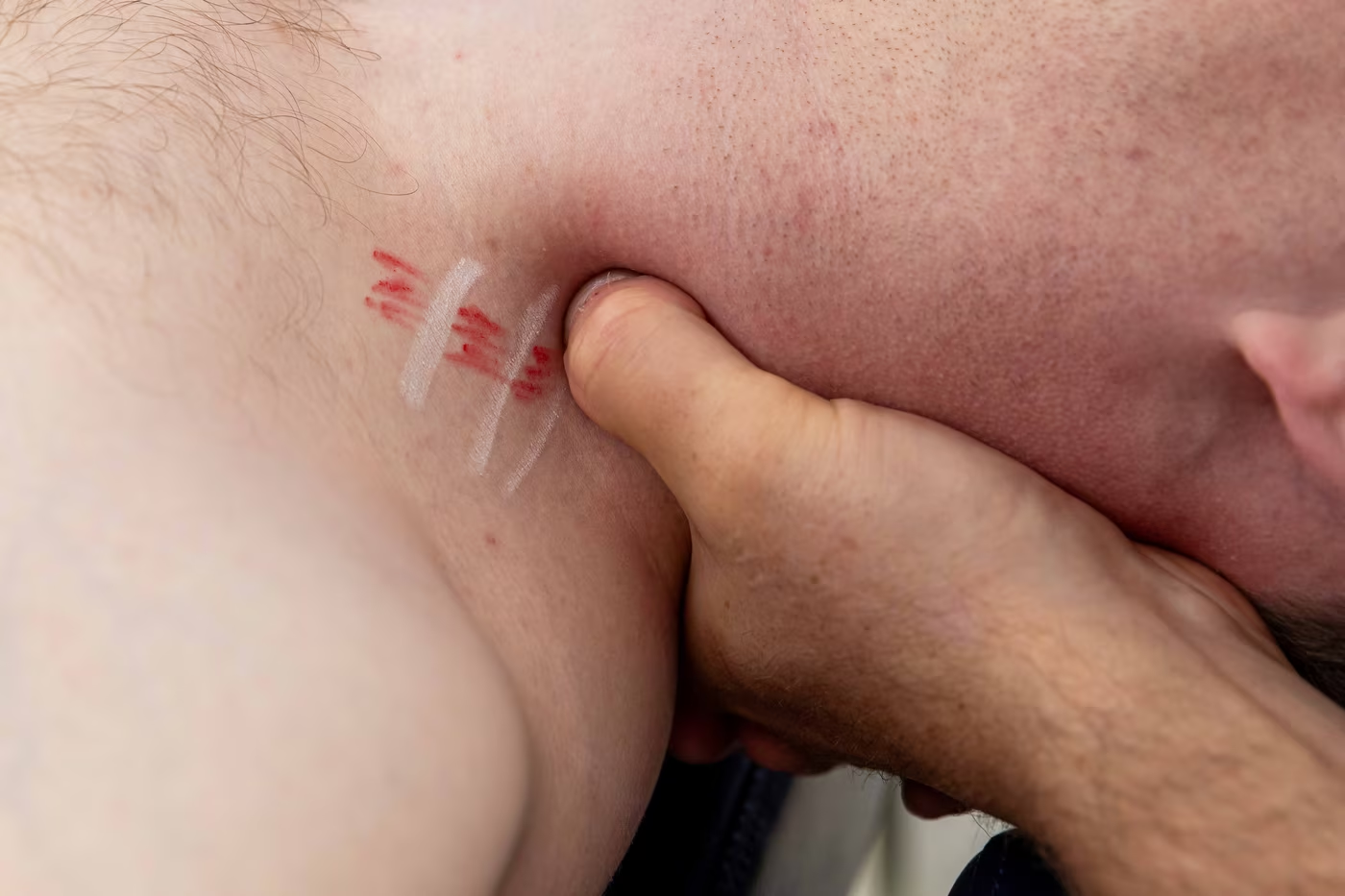
Changes with neck movement or after sustained neck positions. Suspect the neck. The joints and discs of the lower neck refer to the inside edge of the shoulder blade often enough that interscapular pain is a recognised presentation of a neck problem, frequently with little or no neck pain at all. If turning your head, looking up, or a long drive alters the upper back pain, it strongly suggests a mechanical pain pattern blended with irritation of the dorsal scapular nerve.
Changes with a deep breath, a cough or twisting your ribcage. Suspect a rib joint, as above.
Changes with reaching, lifting or overhead arm use. Suspect the shoulder girdle, the muscles controlling the shoulder blade, or the shoulder joint itself, which can refer backwards. If overhead work is specifically difficult rather than merely painful, examine how the shoulder blade is moving, for the reasons covered below. If the arm is doing the work when the pain appears, shoulder pain is the more useful page.
Worst when you stay still, easier once you move. Suspect the joints of the upper back itself. Stiffness of this kind builds during a long meeting or a film, eases within a few minutes of moving and returns when you settle again. It is the most common presentation and usually the most straightforward to change. Remember, it is still far more likely to find a slightly unusual presentation of a common problem than a textbook occurrence or a rare problem.
Nothing changes it at all. This is the important one. Mechanical pain has a pattern: something aggravates it, something relieves it, and it varies across a day and a week. Pain that is unchanged by position, movement, rest or time does not behave mechanically; then the most common reason becomes discogenic pain. However, the patient’s general health, appetite, and weight should be considered additional risk factors for this being more sinister.
Real presentations are rarely tidy: a stiff upper back and an irritable neck frequently coexist, and one can maintain the other. The point is not to pigeonhole a single answer, but to narrow five possibilities to one or two prime candidates before anyone starts treating.
In clinic, we rely on Kinesiology or Muscle Testing to identify the functional flaws that can guide us beyond the symptoms and help us diagnose failing systems. As we peel back the layers of a complex or chronic condition, these can often shift, making ongoing assessment a key part of our clinical protocol.
Could a trapped or irritated nerve cause pain around the shoulder blade?
Yes, but often not in the way people expect, and the most useful clue is sometimes a change in how the shoulder blade moves rather than the quality of the pain.
Not all nerve function is sensory. A nerve carries movement instructions as well as sensation, and the two can be affected separately. When sensory fibres are irritated, you get the familiar burning, tingling or shooting. When the motor supply is affected, problems can take time to fully develop. There may be very little nerve-like pain at all; instead, a muscle stops doing its job properly. Because the shoulder blade anchors the whole arm, if it can’t hold securely to the ribcage, other local muscles may spasm to compensate.


When the clue is weakness rather than pain
Serratus anterior is the muscle that holds the shoulder blade flat against the ribcage and rotates it upwards as you lift your arm. Its nerve supply, the long thoracic nerve, begins in the neck and runs all the way down past the armpit and into the outer part of the thorax by the latissimus muscles.
Scapula Dyskinesis - Winged Shoulder Blade
Poor shoulder function including muscle imbalances or muscle weakness can contribute to painful restrictions developing in the upper back region. Especially important is the muscle function controlling the shoulder blade, dysfunction here is known as Scapula Dyskinesia. This can also be due to chronically tight muscles impairing the mobility of the shoulder blade or chronically weakened muscles that lead to a phenomenon known as a ‘winged scapula’.
Clinically, this weakness in the shoulder blade stabilising muscles is most often caused by an irritation to the long thoracic nerves, which begin in the neck and travel through the upper back and chest supplying both muscle and organ function alike.
Clinic Director | DISC
Pain along the inside edge of the shoulder blade
We have already discussed the ribs and upper back muscles creating pain close to the border of the shoulder blade, but a neural contribution to persistent pain along the medial border of the scapula is worth keeping on the list.
The rhomboids draw the shoulder blade in towards the spine, and levator scapulae lifts its inner top corner. Both are supplied by the dorsal scapular nerve, which arises high in the neck and passes through one of the scalene muscles at the side of the neck on its way to them. That route is why upper-back symptoms and neck mechanics are harder to separate here than the anatomy diagram suggests.
This presentation is worth adding as a differential; often clinically described as a recurring “rhomboid knot” that never fully resolves: a deep, persistent ache along the inside edge of the blade, sometimes with the area feeling weak rather than merely tight, in someone whose region has been treated as muscular many times.
Remember, having a “trapped nerve” shouldn’t always be viewed as a black-and-white condition, but more as a shade of grey. Mechanical dysfunction, facial adhesions, and muscle spasms can gradually increase pressure over a long period of time. The effect is more like a dimmer switch on the function of the upper back than a light switch.


When pain between the shoulder blades isn't coming from your back
Most pain in this area is musculoskeletal. A small number of causes are not, and the upper back is one of the regions where they most often present.
Call 999 if:
- pain between or beneath the shoulder blades comes on with chest pain, tightness or pressure, breathlessness, sweating, nausea, or discomfort spreading to the jaw, neck or arm. This can occur with little or no chest pain, and more often on the left. See the NHS guidance on heart attack symptoms
- the pain began suddenly and severely, described as tearing or ripping, particularly with breathlessness, faintness or a difference between your arms
- you become breathless, cough up blood, or feel your heart racing alongside pain that catches when you breathe
Go to A&E, or contact your maternity unit if you are pregnant, for:
- pain under the right shoulder blade or across the upper abdomen in pregnancy after 20 weeks, especially with headache, visual disturbance, or sudden swelling of the face, hands or feet, this needs same-day assessment for pre-eclampsia
- upper back pain following significant trauma, such as a fall from a height or a road traffic collision
- new weakness or numbness in both legs, unsteadiness when walking, or a change in bladder or bowel control
Arrange prompt assessment through your GP or NHS 111 for:
- severe pain under the right shoulder blade coming in waves, particularly after fatty food or with nausea or yellowing of the skin or eyes, a recognised gallbladder pattern
- unrelenting pain that wakes you regularly and no position eases, especially with fever, night sweats or unexplained weight loss
- upper back pain in someone with a history of cancer, or taking long-term steroids
- burning pain in a band on one side, particularly if a rash appears
These causes are uncommon, and most people reading this list will have a mechanical problem. Screening for them is part of any competent assessment, but symptoms suggesting an emergency should be assessed medically, not held for a chiropractic appointment.
Research
Forward head posture (FHP) has a strong correlation with upper back pain and has been estimated in about 66% of the patient population.
In general, these abnormal postures are associated with the development and persistence of many disorders, including cervicogenic headache and migraine, myofascial pain syndrome, abnormal shoulder blade movement, and temporomandibular joint disorder
Diab & Moustafa – Journal of Clinical Rehabilitation 2011
Why upper back pain often doesn't settle
Persistent pain between the shoulder blades usually reflects the wrong structure being treated, not treatment that was done badly.
Most people arrive having already tried something like massage, foam rolling, physiotherapy, a course of chiropractic care, a new chair, or working on their posture. When those things help for a day or two and then stop helping, there is usually a reason, and it is generally one of four.
The knot was treated instead of the driver. Releasing protective muscle over an irritable joint or a referring neck feels good and changes nothing for long.
The neck was never examined. Interscapular pain from a cervical source can be entirely convincing as an upper back problem, and it will not respond to anything done to the upper back.
The load that produced it hasn’t changed. A region that has become intolerant of sustained positions will keep flaring while the position continues, no matter how good the treatment is. If you continue to overload something daily, it will rarely heal.
The presentation is more complex than it first appeared. Long-standing symptoms often involve more than one driver, the original source, secondary stiffness, altered movement patterns, and a region that has become more sensitive than the tissue state alone would explain. Those cases need a broader assessment and a staged plan, and a clinic with experience unravelling complex cases, not a longer course of the same treatment.
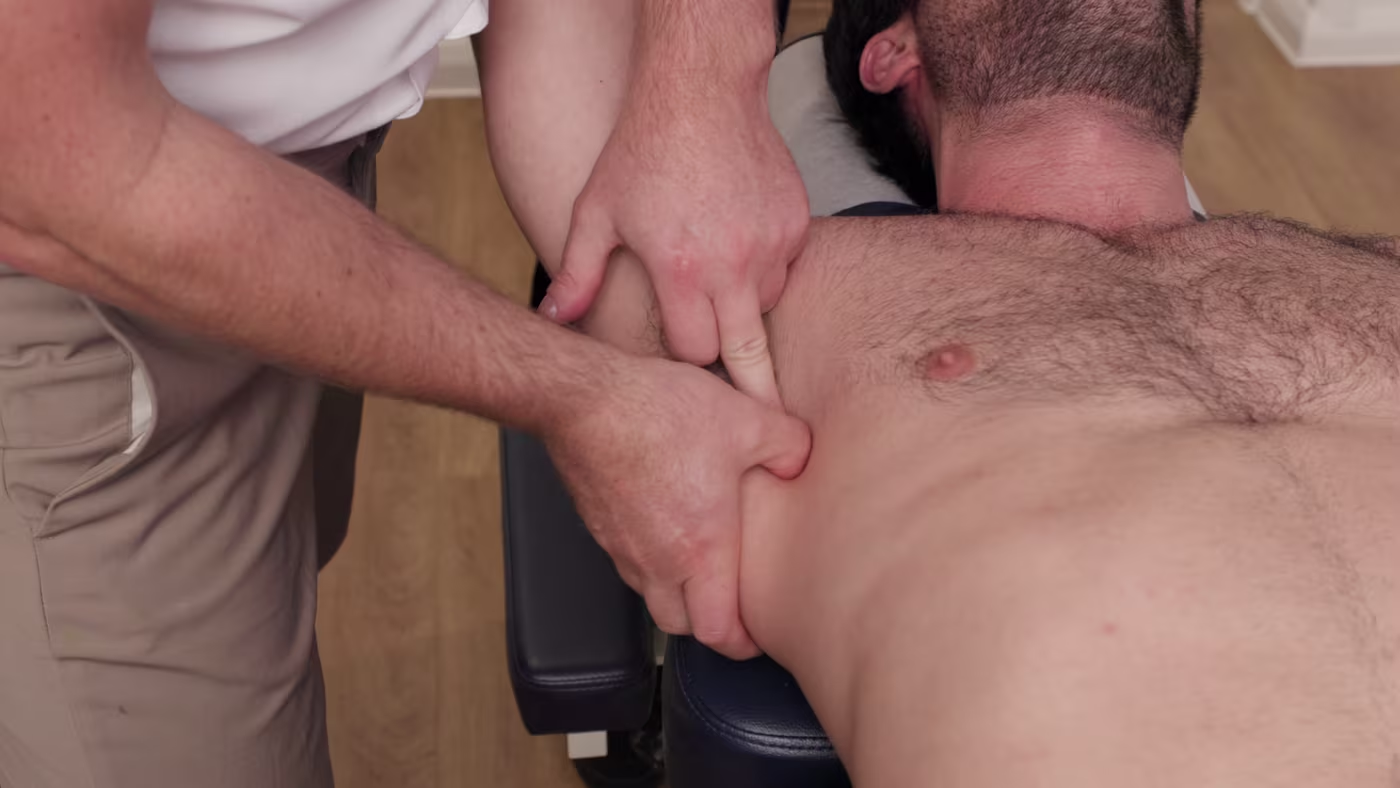
What treatment for upper back pain involves
Treatment follows what the examination finds, which is why apparently identical complaints are managed quite differently.
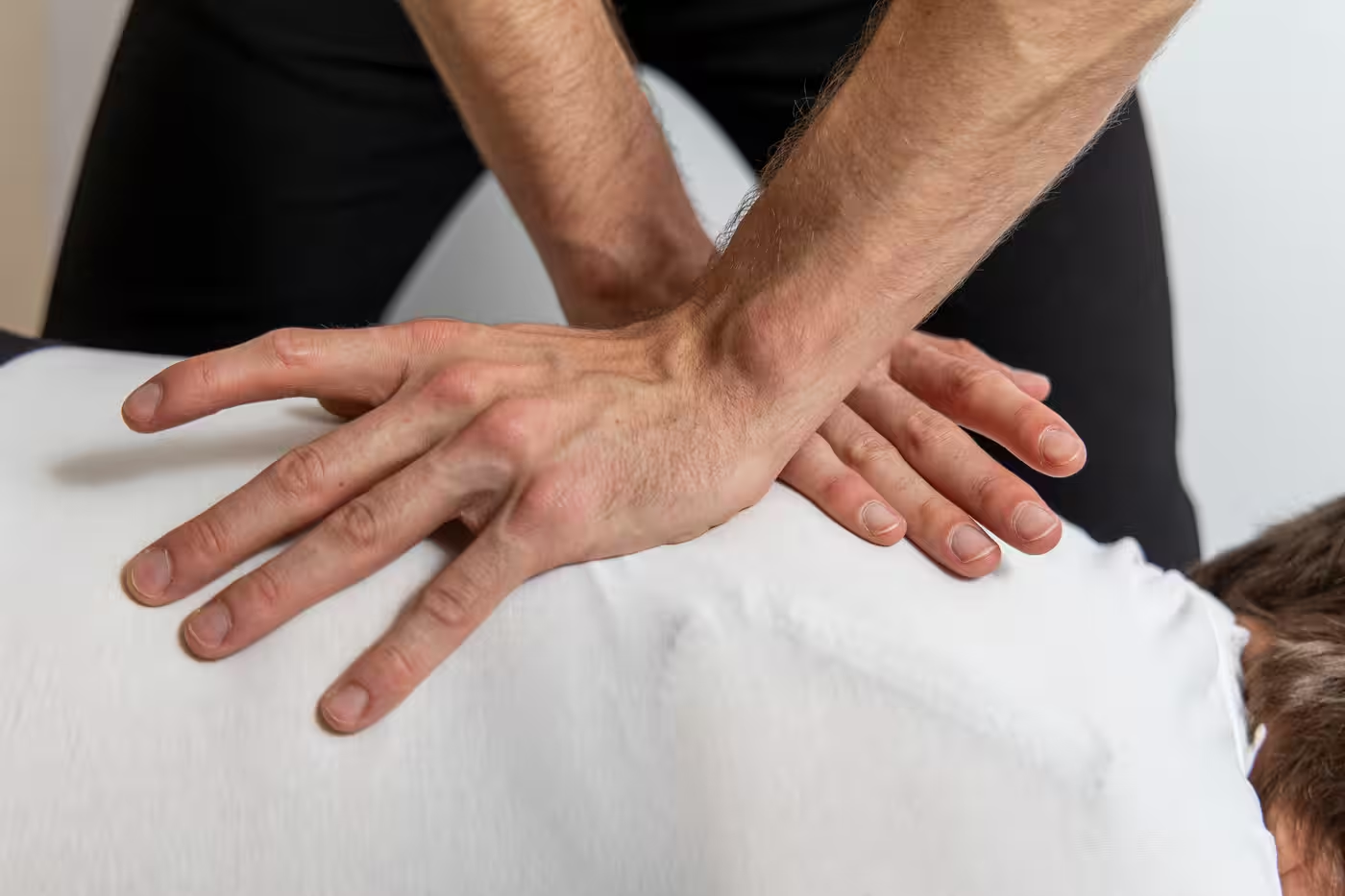
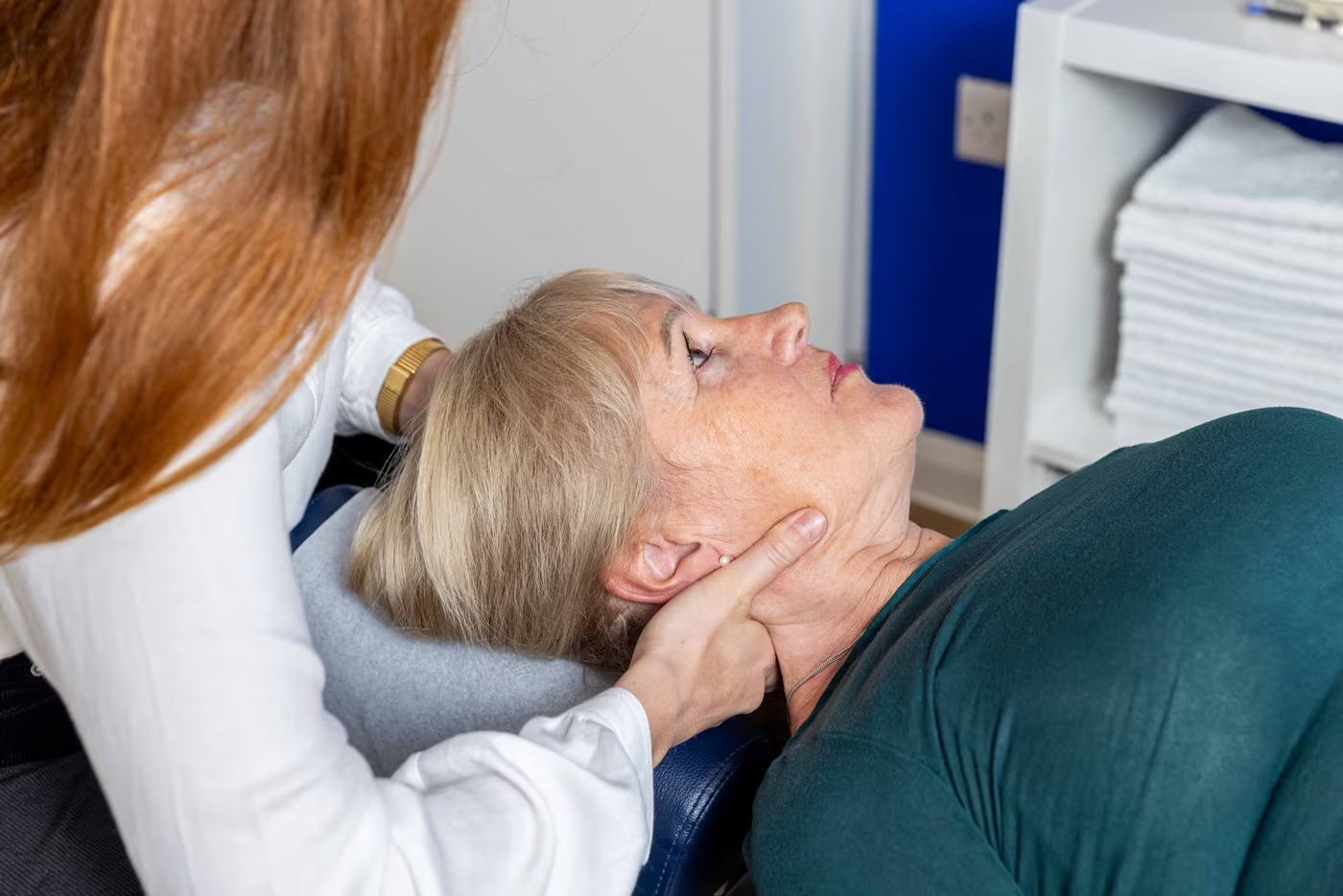
- Straightforward presentations are the most common. A recent, mechanically clear upper back problem in an otherwise well person usually responds to a short course of manual treatment directed at the restricted segments or rib joints, a clear explanation, and specific changes to the loads maintaining it. Where the driver is in the neck, care is directed there and the upper back may need very little. Traditional Chiropractic over several weeks, not several months, is the gold standard.
- Chronic and multifactorial presentations need a broader plan. Where symptoms have persisted for months or years, there is often more than one driver, and the region has usually become more reactive than the tissue state alone explains. Management is staged, settling irritability and rebuilding tolerance before specific mechanical work is useful, and often the assessment and plan matter more than the technique.
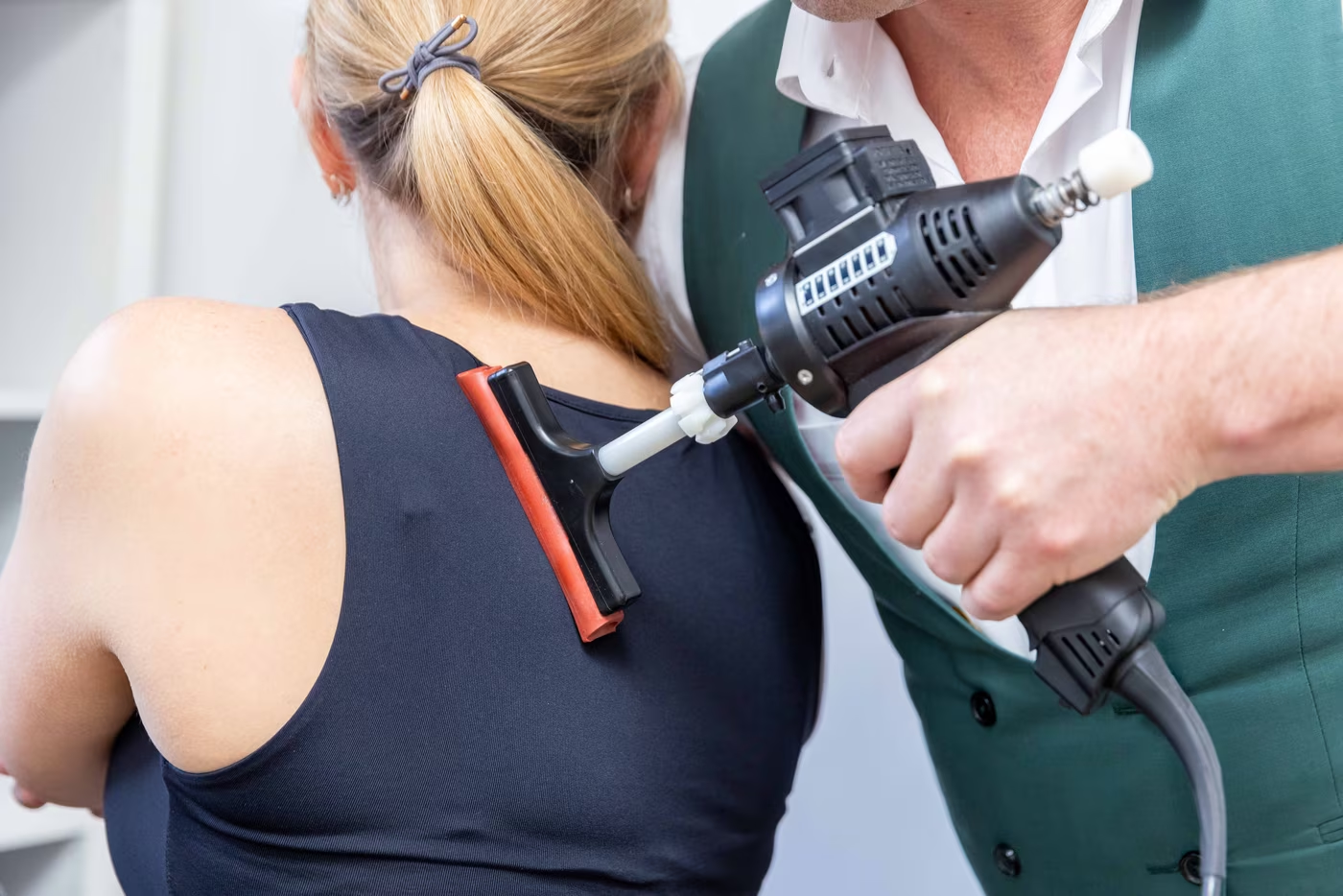
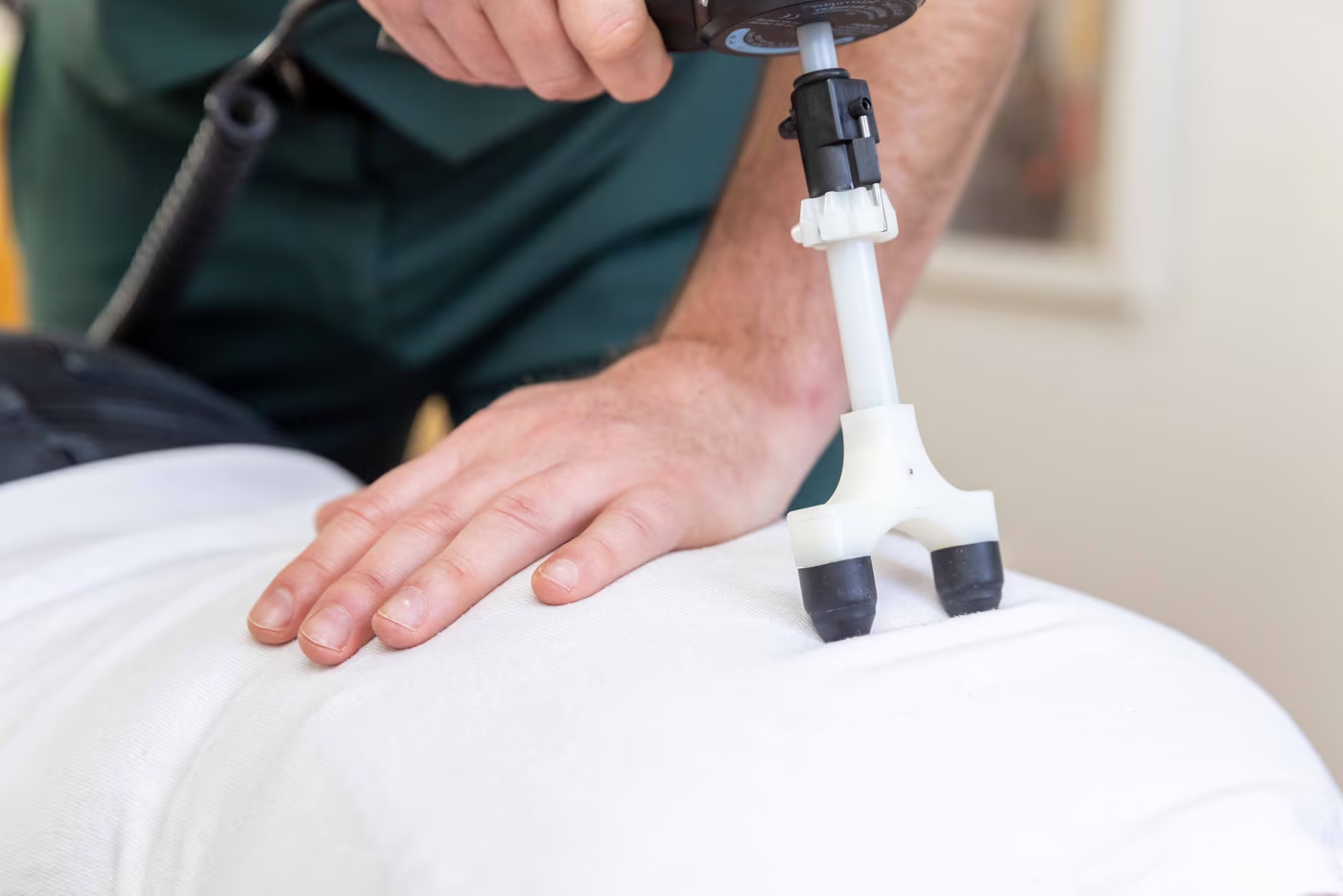
- Where standard manipulation is not suitable, gentler options exist. Age, reduced bone density or a previous fracture in the area can all make a firmer technique inappropriate. Instrument-assisted adjusting delivers a smaller, more controlled input to a specific segment and is often the better choice in those situations.
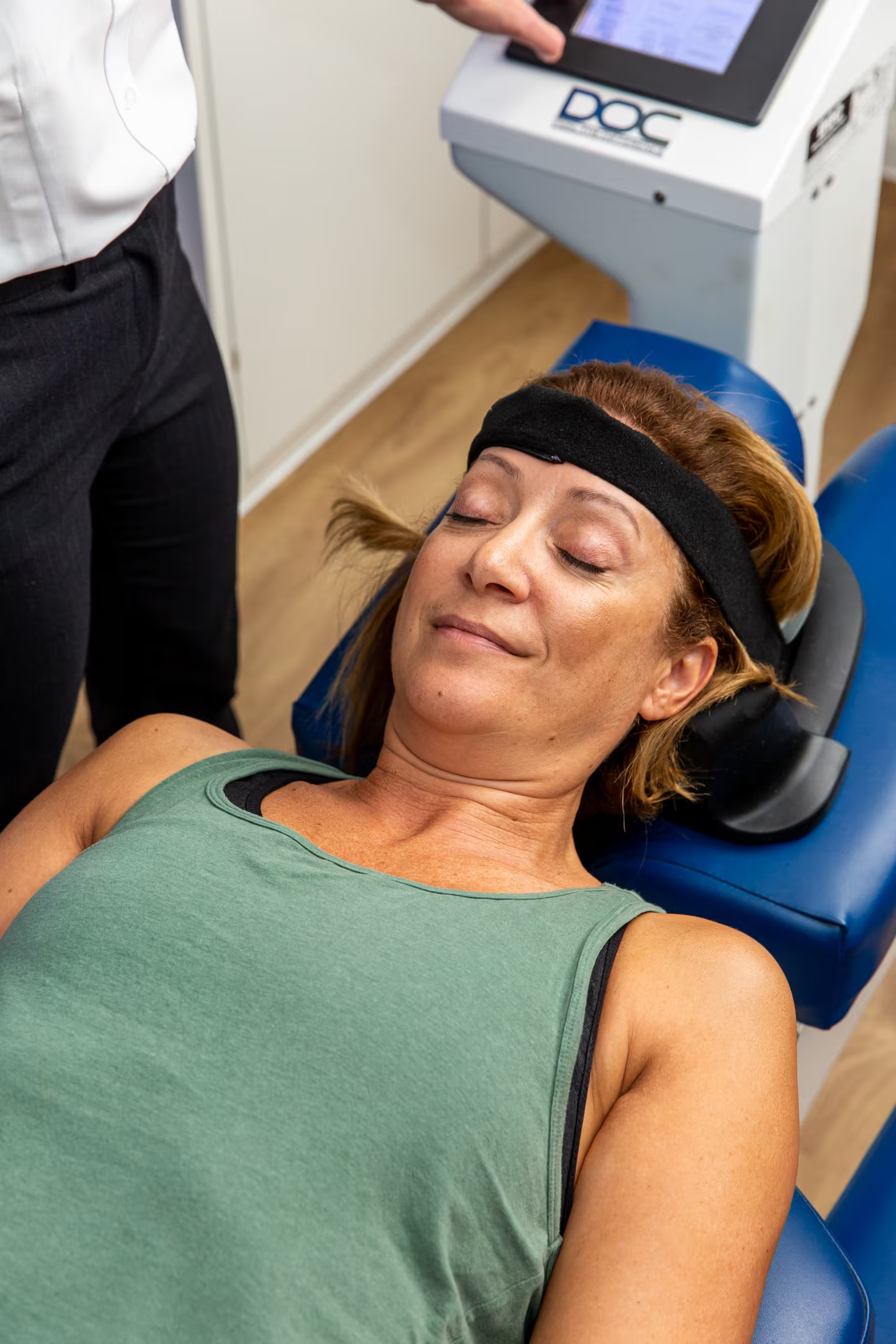
- Advanced technology is a boon but not the default. Spinal decompression cannot be applied directly to the upper back: the ribcage attaches at every level and prevents those segments from being drawn apart as the technique requires. When examination points to nerve irritation in the neck driving upper-back symptoms, cervical decompression is sometimes appropriate, but that is a decision about the neck, and it applies to a minority of presentations. Thoracic disc problems are genuinely uncommon, and pain between the shoulder blades is not by itself a reason to consider any of this. Most upper back pain responds to considerably simpler care.
What to do next
If pain between your shoulder blades has not settled or has been treated as a muscular problem without lasting improvement, a sensible next step is an assessment that includes the neck, the rib joints, and the upper back. It takes one appointment and answers the question the location cannot: what changes this pain and what is producing it.