
Slipped Disc Treatment: What To Do After the Diagnosis
Most people who come to us already know they have a slipped disc. An MRI has found a disc abnormality, someone has given them a diagnosis, and they have usually torn between whether to pursue surgery or have been told they are not a good candidate, and there is a good chance it will settle on its own given enough time.
Often it does.
The difficulty is that you cannot put your life on hold while you find out. Work carries on, and so does the commute, the driving, the sitting, the lifting, the small children and the poor night’s sleep. The disc keeps getting loaded by the life it belongs to. For some people, the weeks become months, symptoms persist or keep returning, and surgery looks more appealing
There is a space between “give it time” and “let’s cut it out”; that’s where this clinic works, providing slipped disc treatment without surgery, and this page explains what can be done.
“Slipped disc” is the term most patients use, so we focus on it. A radiologist may write bulge, protrusion, extrusion, or herniation depending on what the scan shows; our disc herniation guide breaks those distinctions apart, and they matter less than most people expect when deciding what to do next. What follows draws on twenty-two years of treating disc injuries as well as on the published evidence, where the two point in different directions, we say so.
“While discs are attributed to perhaps 10% of ALL back pain, when you consider back pain to be severe enough to seek out care, then we see the disc is causal for at least 50% of that back pain.”
Dr. Michael Adams PhD
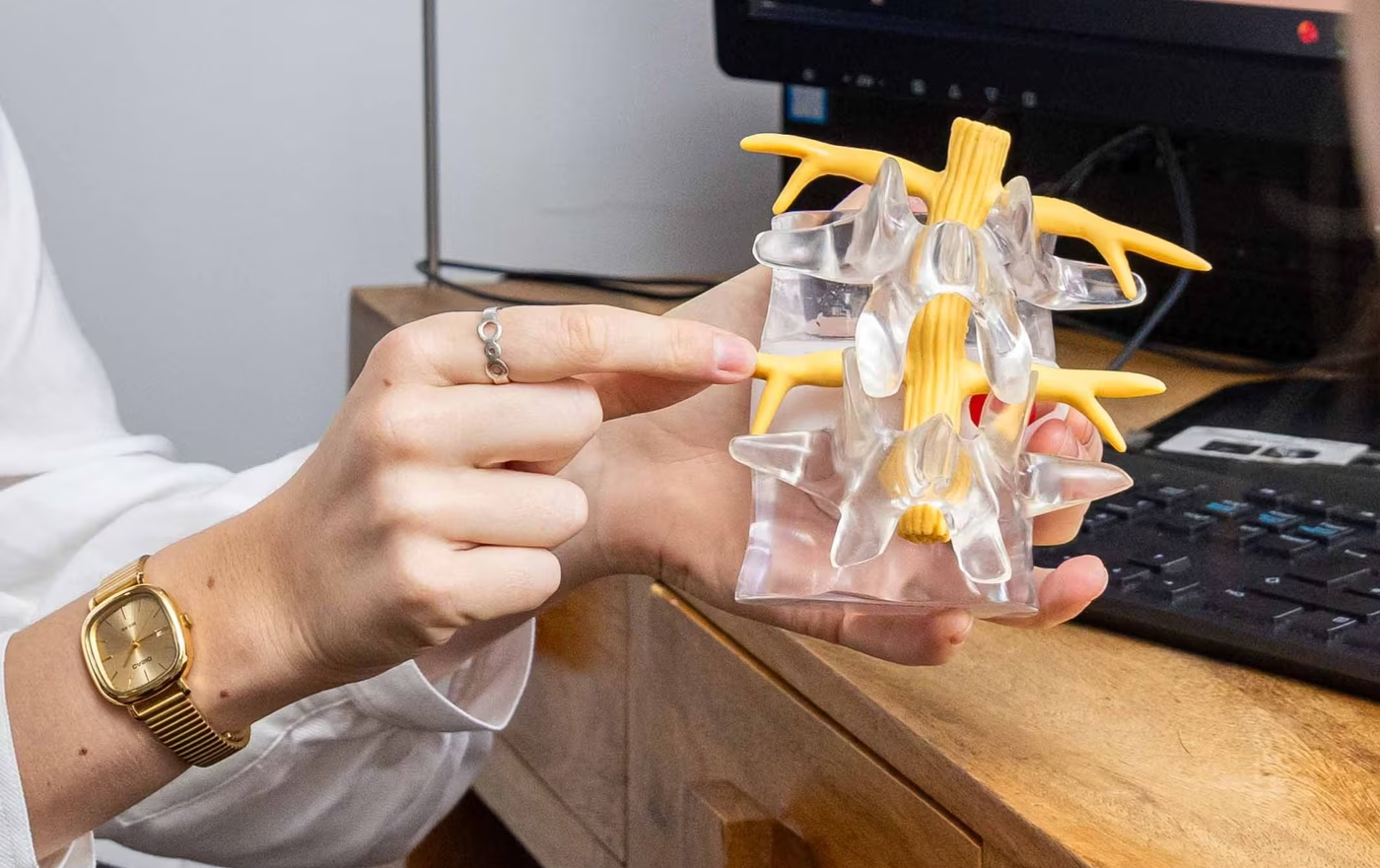
Is a slipped disc actually to blame?
A slipped disc abnormality on a scan is information. It is not automatically the diagnosis.
It is entirely possible to have something structurally wrong without it hurting at that particular moment — a stomach ulcer, a tooth infection. Finding an abnormality does not establish that it is responsible for what you feel today.
The imaging evidence is more nuanced than simply saying that disc findings are common. Brinjikji and colleagues first pooled scans from people without back pain and showed how frequently abnormalities occur without symptoms. Among 20-year-olds, a shocking 30% had a disc bulge, 29% a protrusion, 19% an annular fissure and 37% disc degeneration. By age 80, those figures reached 84%, 43%, 29% and 96%.
But the same research group then asked the other half of the question: are these findings more common in people who do have back pain? They were. In adults aged 50 or younger, disc bulges, protrusions, extrusions and degeneration were all significantly more prevalent in symptomatic people than in pain-free controls.
That distinction matters. An MRI finding can be neither dismissed because it occurs in people without pain nor assumed to be the cause just because it is present. MRI is a snapshot: it shows the anatomy, not when a finding developed or whether it is currently symptomatic. The scan identifies what there is; the clinical picture determines whether it matters.
The different ways a disc produces pain
Physical pressure on a nerve root. Displaced material takes up space the nerve root needs.
The disc wall itself. The outer ring is richly supplied with nerve endings, so a torn wall hurts, with no nerve root involved.
Chemical irritation of a nerve root. An injured disc releases inflammatory chemistry into the space it shares with the nerve, and a chemically irritated nerve can be severely painful without dramatic compression.
Those three are why the appearance of a scan and the severity of symptoms so often fail to match, why surgeons have historically had poor outcomes, and why someone can be told their imaging is reassuring while still having a clinically convincing disc problem that visible compression alone does not explain.
Top 8 Pain generating DISC Injuries
Despite being mostly disregarded by Medical Professionals!!!

Disc Herniation
Internal Disc Disruption
Degenerative Disc Disease
Circumferential Fissure
Annular tears / Disc Protrusion
Discogenic Pain
Inflammatory Disc Disease
Bulging Disc
Four situations, all called a slipped disc
Someone who has told me that a slipped disc has been found on an MRI could be in any of four positions, and telling them apart is most of what an assessment is for.
An incidental finding. The abnormality is real and is not what hurts. The pain behaves like something else, and disc-directed treatment will likely be ineffective.
A symptomatic disc, pain mostly in the spine. Deep, central or slightly one-sided pain, worse getting going after sitting, worse bending forwards, sharply provoked by coughing or sneezing, often worst in the first hour of the day, with little or no leg pain. This is the one most often dismissed as ordinary mechanical back pain.
A disc irritating a nerve root. Most likely to refer pain into the arm or the leg, depending on location. Pain runs in a band rather than spreading vaguely, often below the knee or elbow, with pins and needles, numbness or weakness in a specific distribution, and the limb typically hurts more than the spine.
Significant or progressive neurological involvement. Weakness that is worsening rather than settling, spreading numbness, or any change in bladder, bowel or saddle sensation. Here the priority changes from treatment to urgent investigation, and the next section is the one to read.
People move between the middle two during an episode in both directions, and the direction they are travelling matters more than where they are on any given day. Which of the four you are in is settled by correlating the scan with the history, how the symptoms behave, what the neurological examination finds and how the spine responds to functional testing. Functional testing will often trump pain diagnostically.
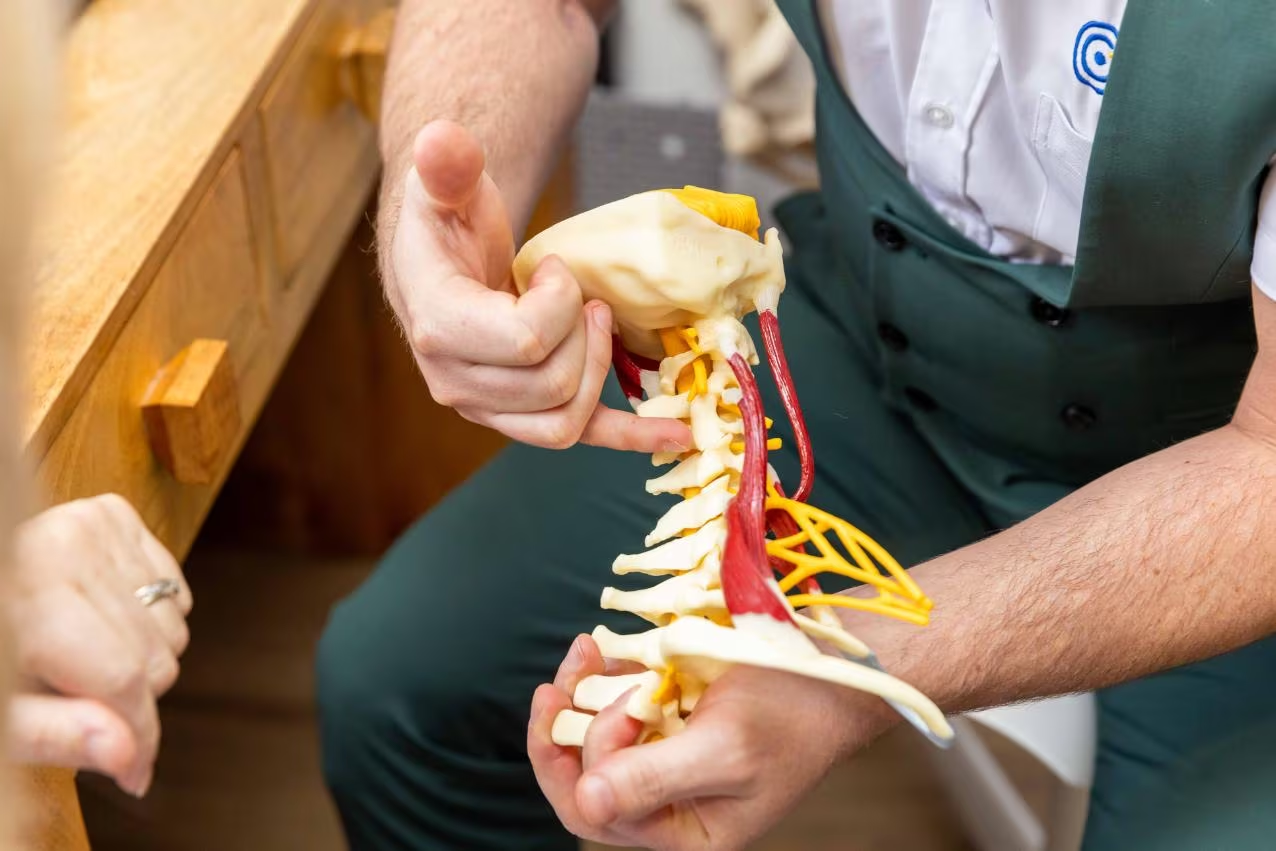
Can you get a slipped disc in the neck?
Absolutely; cervical discs have many similarities to lumbar ones, with the obvious caveat that the arm is affected rather than the leg. The disc wall refers pain into the shoulder blade, across the top of the shoulder or towards the base of the skull; an irritated nerve root sends symptoms down the arm in a narrower band, often below the elbow, with pins and needles or weakness in particular fingers.
Two differences matter. The neck is used constantly and unconsciously, so sustained positions provoke cervical disc symptoms more than single movements do, and the pattern builds over the course of a day rather than emerging in a single moment. And the spinal cord runs through the neck, so a large central disc problem can affect the cord rather than a single nerve root: growing clumsiness in the hands, unsteadiness in the feet, or symptoms in both arms or both legs need medical assessment rather than a treatment plan.
The principles are the same; technique selection is not. Our neck pain page covers cervical presentations more broadly, and our arm pain page outlines the nerve root patterns.
How can you be sure it’s the disc causing my pain?
In truth, we can’t; several things sit close enough to a disc to be mistaken for one, and each has a giveaway.
- Facet joint pain is worse when arching backwards and easier when bending forward, nearly the reverse of the usual disc pattern.
- Sacroiliac pain sits lower and to one side, and can also irritate the sciatic nerve.
- Protective muscular guarding can feel like the main event when it is a response to something underneath.
- Leg symptoms arriving reliably after a set walking distance raise the spinal canal or the circulation, not the disc
- Hip problems radiate into the groin and buttock and become apparent when the hip is moved.
Where does sciatica fit? A slipped disc is a pathology; the subsequent radiculopathy is the diagnosis, and sciatica is the symptom pattern produced. Where leg symptoms dominate, our sciatica page has the more useful information.
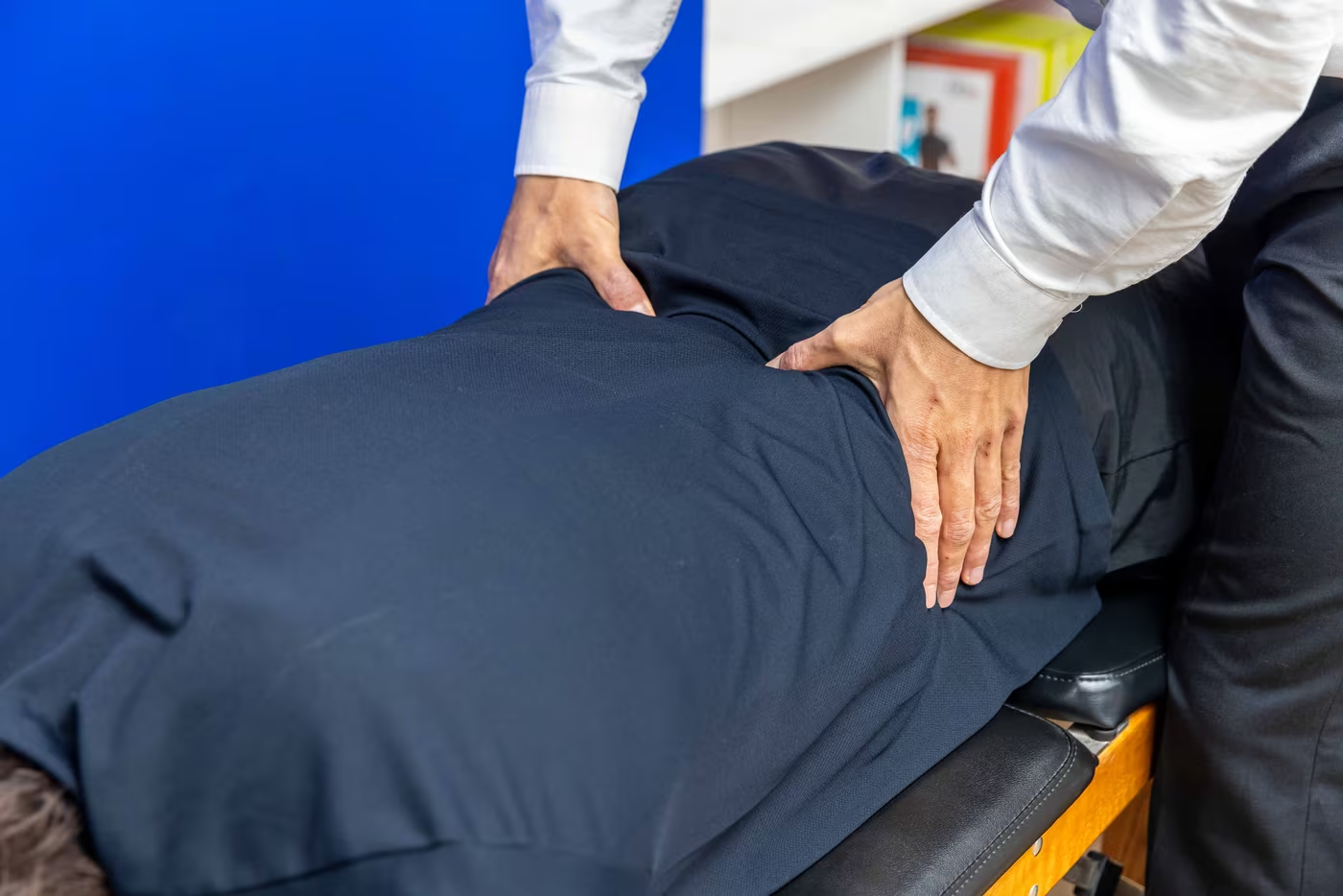
Some common signs of pain related to a slipped disc
Pain at start of motion
Pain on movement
Pain bending forward
Pain in the morning
Pain getting from sitting to standing
Pain when coughing or sneezing
Pain levels can vary but never go away entirely
Pain worse in leg than back
When a slipped disc needs urgent medical assessment
Most disc injuries are managed conservatively and settle. Pain is not counted as an emergency! However, a small number are considered critical, and the difference is neurological rather than how much it hurts.
Go to A&E immediately — do not wait for an appointment — if you develop any of:
- difficulty passing urine, loss of bladder or bowel control, or losing the sensation of needing to go
- numbness around the back passage, genitals or inner thighs — the area that would contact a saddle
- progressive weakness or numbness affecting both legs
- loss of sexual sensation
That combination can indicate cauda equina syndrome, where a large central slipped disc compresses the bundle of nerves at the base of the spinal cord. It is rare; it can develop over hours or days, and the window for surgery to prevent permanent damage is short. Do not wait overnight to see whether it settles, and do not have your back treated first. The NHS guidance on cauda equina syndrome sets out what to look for.
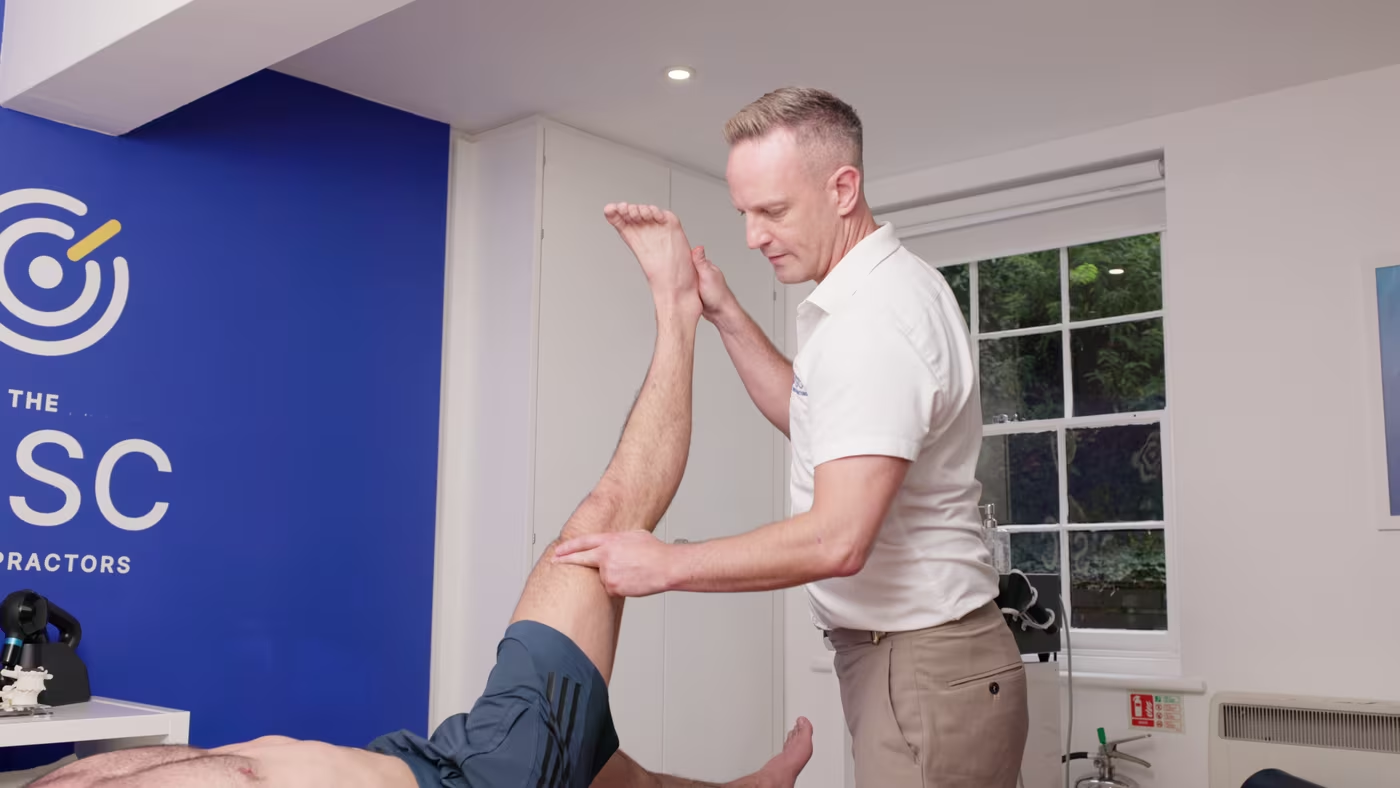
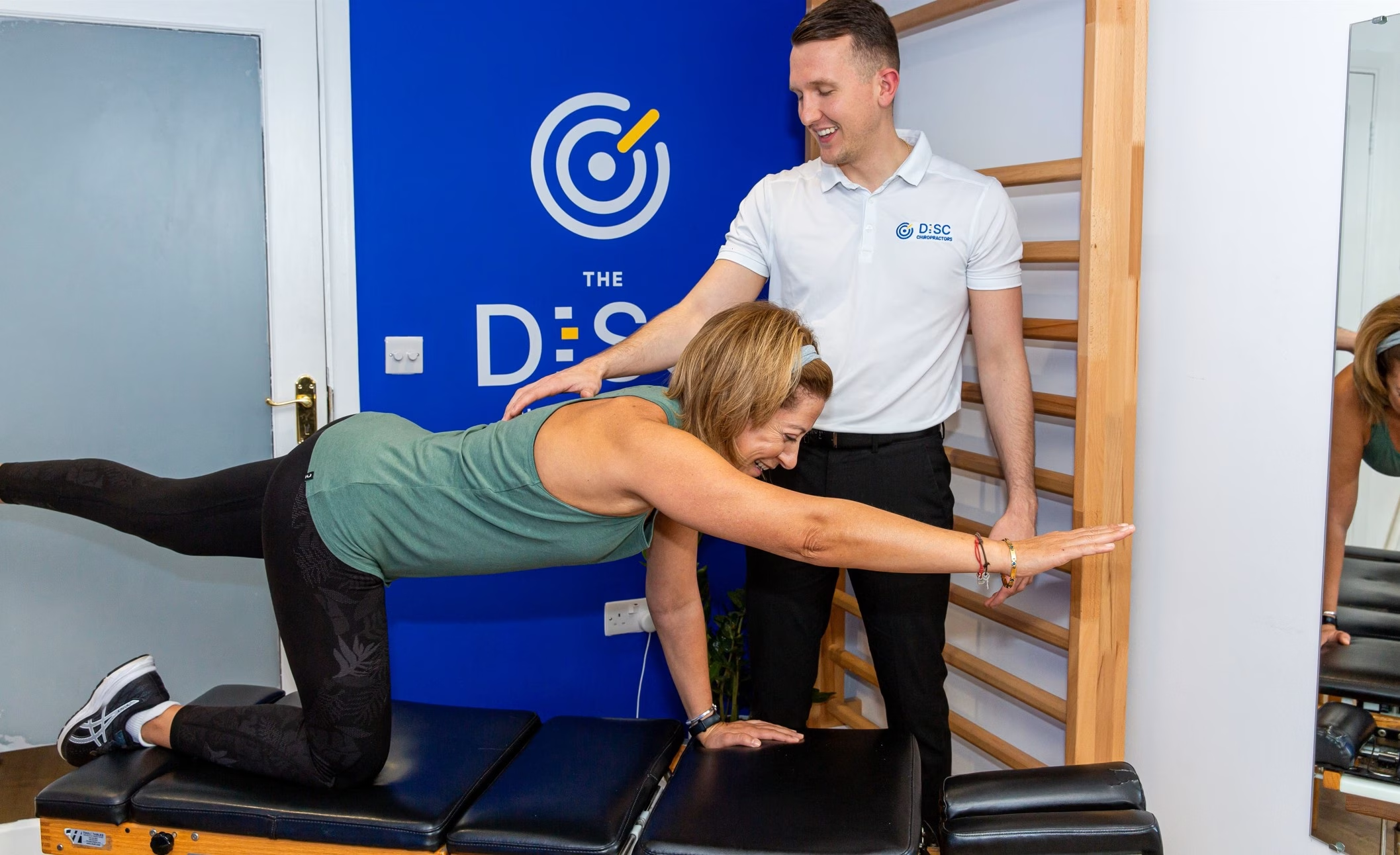
Can a slipped disc heal on its own?
Often it is reasonable advice to wait and see. Around two-thirds of herniations shrink over time without surgery and, counter-intuitively, larger herniations are often the most likely to do so.
But recovery statistics depend heavily on who was studied. In a large UK primary-care study of sciatica patients who did not have surgery, 55% had meaningfully improved at twelve months, and 45% had not. In the SPORT trial, where patients had confirmed herniation and symptoms already lasting at least six weeks, only about half of those managed without surgery rated themselves much improved four years later.
How long does it take a slipped disc to recover?
The vast majority of disc injuries recover by week 12. The important predictor is not simply how dramatic the herniation looks, but how long symptoms have persisted and whether they keep returning. “Most people recover” becomes considerably less reassuring when you are already beyond the period in which recovery was expected.
Recovery happens in real life. Work, commuting, sitting and lifting continue to load the injured area. Waiting is not a neutral condition. When a slipped disc is not improving as expected, conservative treatment can play a role in speeding up recovery: supporting a disc that can recover but is not progressing, while reducing the loads that may be holding healing back.
Does a slipped disc need surgery?
Sometimes surgery is necessary, and occasionally it is urgent. But won’t surgery just fix it? Not always; Research estimates that 7-10% of diagnosed slipped discs receive surgery, but with likely many more undiagnosed, the actual percentage we can predict is even less.
Alongside the emergencies above, disabling nerve pain that has not responded to properly delivered conservative care is a reason to seek a surgical opinion, and delaying that can do harm.
The old-school assumption is that if something has physically gone wrong with a disc, direct removal is the best fix, despite the fact that surgery doesn’t “fix” slipped discs; it just removes the offending material. The current evidence is more interesting when you consider that.
Surgery can produce faster perceived recovery. In the Dutch Sciatica Trial, patients with six to twelve weeks of sciatica reported recovery considerably sooner after early surgery than with conservative management. Importantly, this was patient-rated recovery rather than an objective measure of disc healing, so it reflects how patients felt and functioned after treatment, including the rapid relief surgery can sometimes provide.
But the longer-term picture is mixed. In that same trial, around 95% of participants in both groups had a satisfactory outcome at one year, and no meaningful difference remained at five years. Surgery gets appropriately selected patients out of pain sooner; the gap then narrows, substantially in some trials and not entirely in others.
It’s worth noting that surgery does come with considerable risk. In addition to life-changing risk factors that more or less all surgeries share, spinal surgery has a unique claim to fame: there is a named diagnosis for its failure. Failed back surgery syndrome (FBSS) has improved more recently due to more careful selection of what makes a good surgical candidate. But research indicates that between 10-40% of patients consider their back surgery to be a failure, with anywhere between 28- and 94% of patients still reporting residual symptoms, 45% still with leg symptoms, and 20% still requiring opioid medication.
Surgery removes what is pressing on a nerve, it does not restore movement patterns, load distribution, or conditioning, and it does not change the working life the disc returns to, which is why rehabilitation afterwards is recommended rather than optional.
We are not anti-surgery. Some emergent patients should be referred, and delaying that is its own kind of harm. But we agree with NICE, which sets out a sequence for best-practice management: start with non-invasive management, including manual therapy as part of a package that includes rehabilitation and, potentially, co-management with epidural injection of local anaesthetic and steroid, considered in acute and severe sciatica.
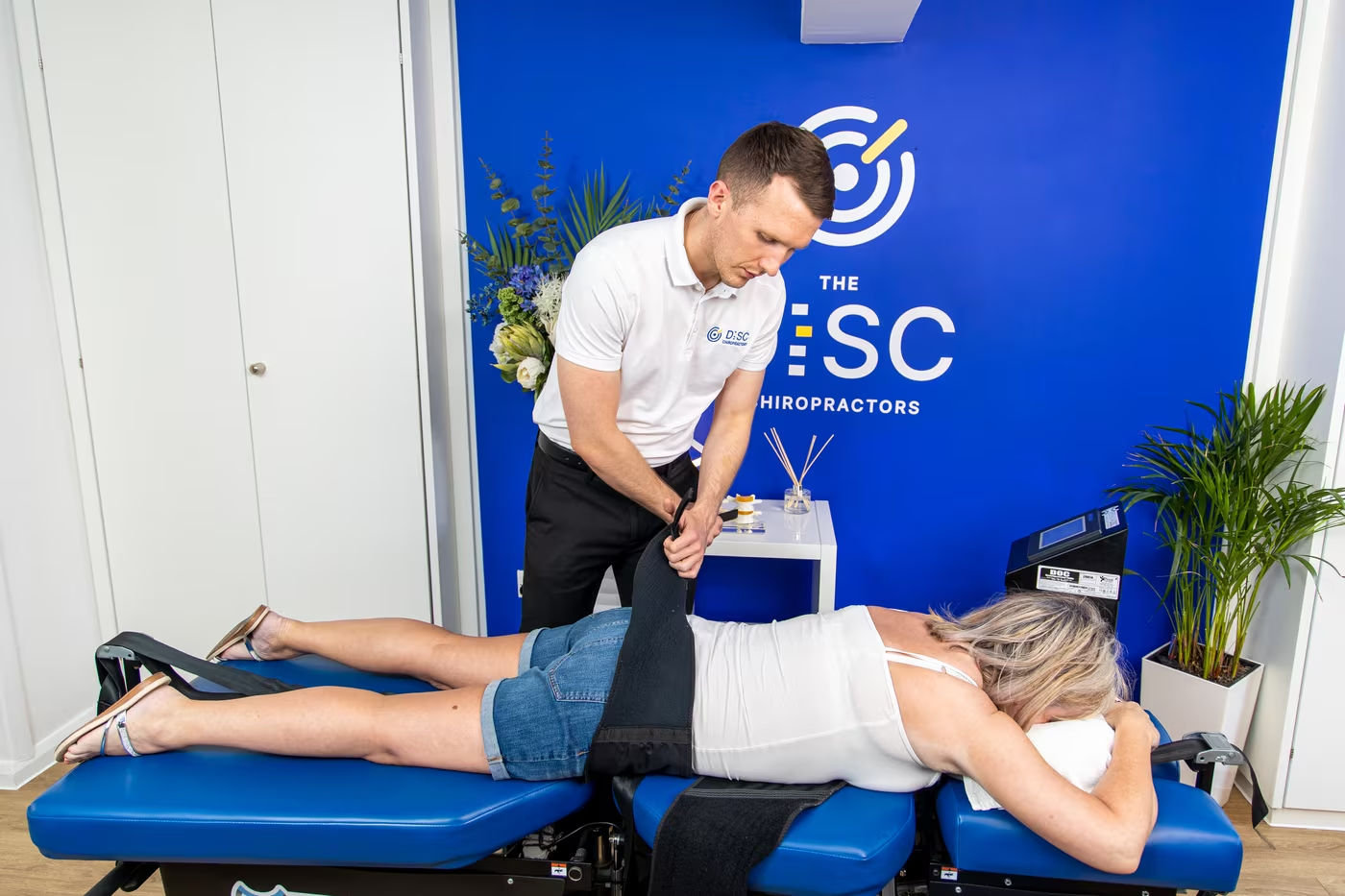
Of course, protocols like those we run at The DISC chiropractors have not been directly compared. Our flagship decompression protocol provides consistent, in-house-audited statistics showing that people who complete our proprietary 9-week program average an 80% improvement 80% of the time.
Can a chiropractor help a slipped disc, and is it safe?
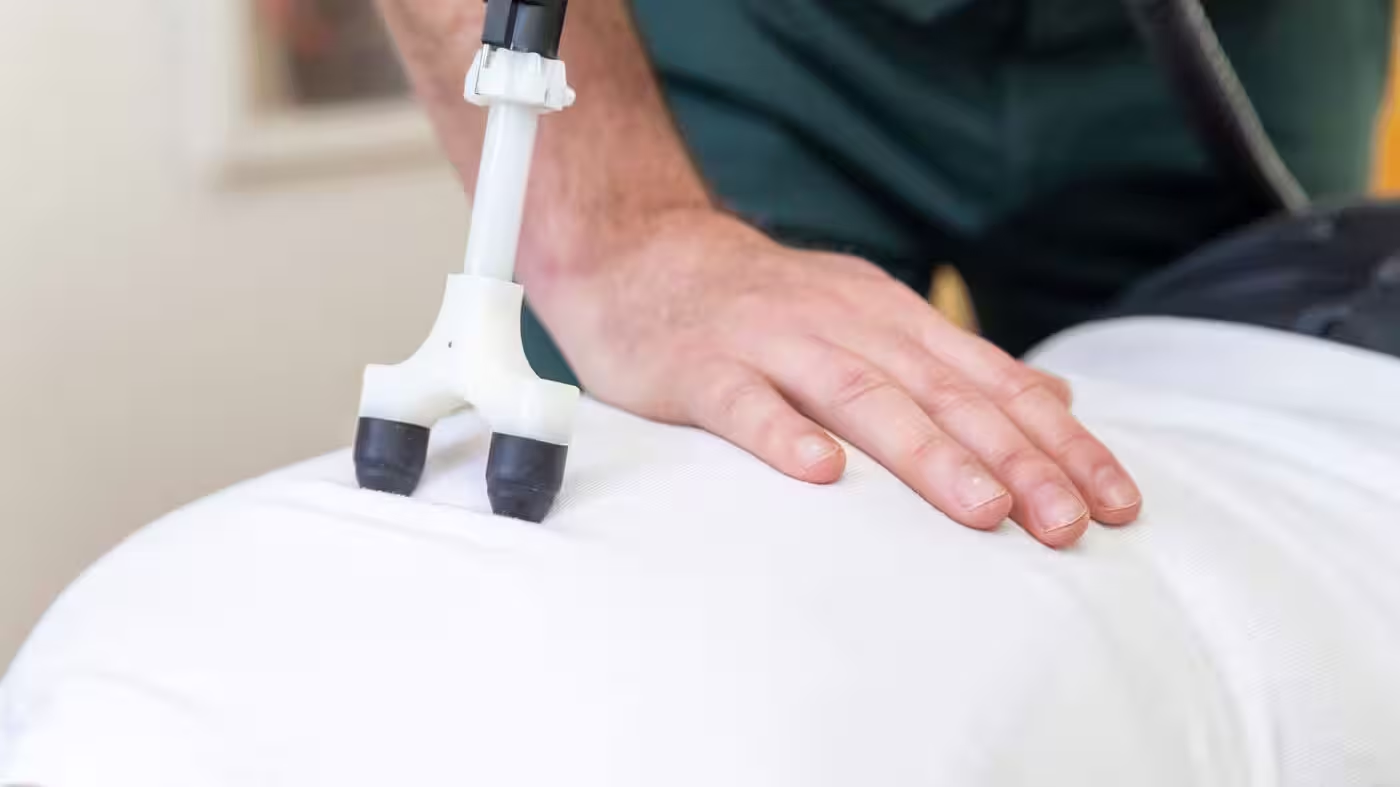
Whether chiropractic care is safe for a slipped disc is controversial, and it deserves a deeper review than we have room for. Chiropractic care as slipped disc treatment is not about pushing the herniation back into place. There is no accepted mechanism by which a manual or chiropractic adjustment repositions herniated material, a point acknowledged within the chiropractic literature, not just by critics of it.
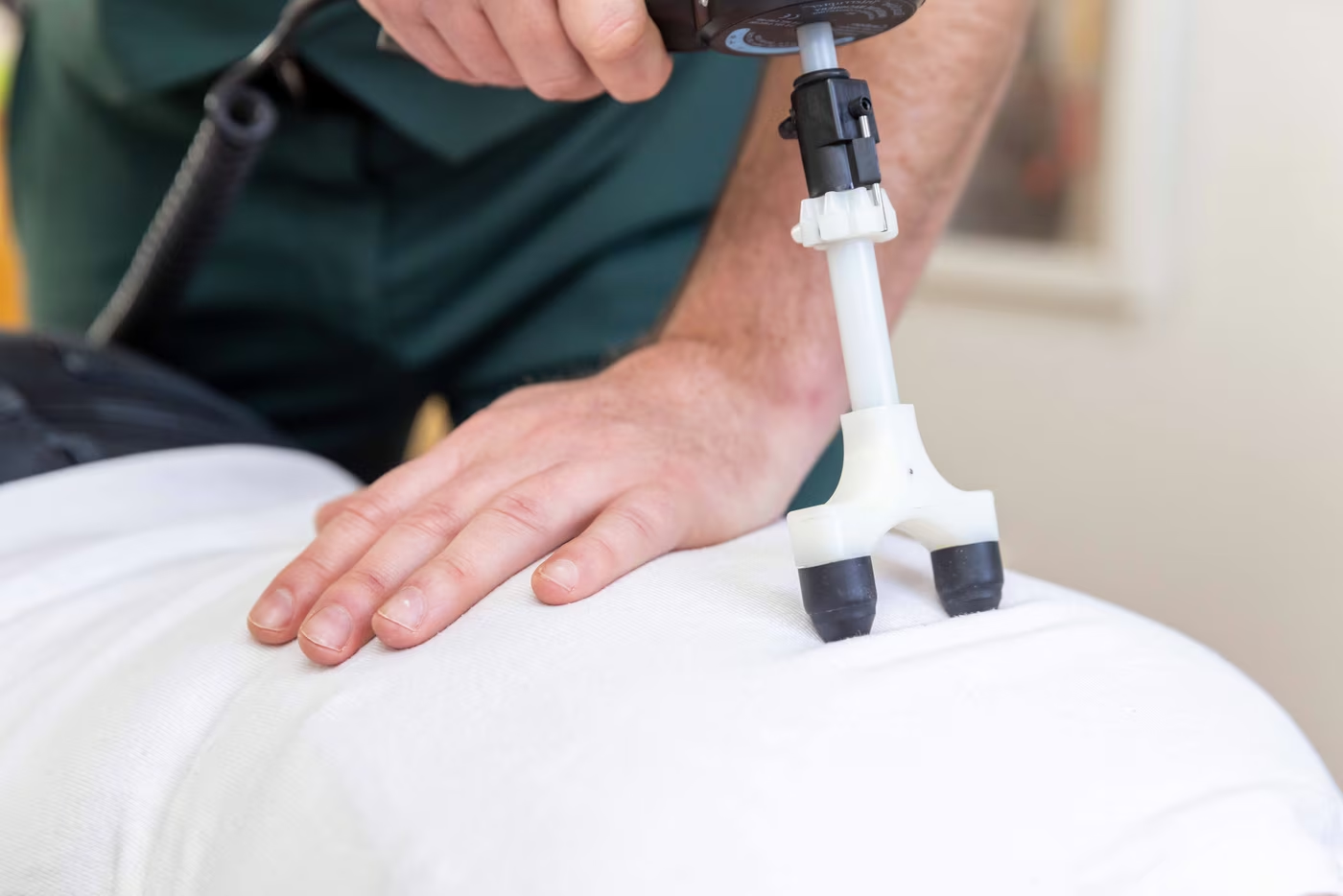
Many of the best chiropractors treating slipped discs avoid overly rotational techniques, as these can aggravate suspected or damaged discs. But chiropractic treatment for a slipped disc is more than a single technique; it is an entire philosophy of care that can still be applied conservatively. That said, without specialised technology, traditional chiropractors can, at best, try to calm symptoms and create an environment in which the pain can settle.
Likewise, no known mechanism exists by which a spinal adjustment could cause a disc injury. A healthy disc can withstand forces far greater than a manipulation. Logically, if a patient experiences a flare-up post-care, the correct analogy is picking at a scab on an existing injury rather than inflicting the damage outright. Too small a comfort to those in pain.
But from my own experience, we were taught relatively little about disc injury treatment at university, and without my now-considerable experience, identifying when a disc is damaged is not an easy task. So, the argument isn’t against chiropractic. It is an argument against treating every spine as though it needs the same adjustment, rather than seeing a specialist for your condition. If you are hesitant about care, you should feel comfortable enough to ask what precautions are being taken to address the severity of your condition.
NB: There is also an obvious blind spot within our profession on judging disc manipulation purely from clinical experience. When treatment helps, patients tend to return and tell us. If it significantly aggravates a problem, some simply do not come back. Unless clinicians actively follow up on every discontinued course of care, they can mistake a lack of feedback for a good outcome. When rebranding the clinic as a DISC specialist, I spent some time in slipped disc chat groups on Facebook, and this was the most frequent and worrying feedback I received.
What slipped disc treatments can support recovery?
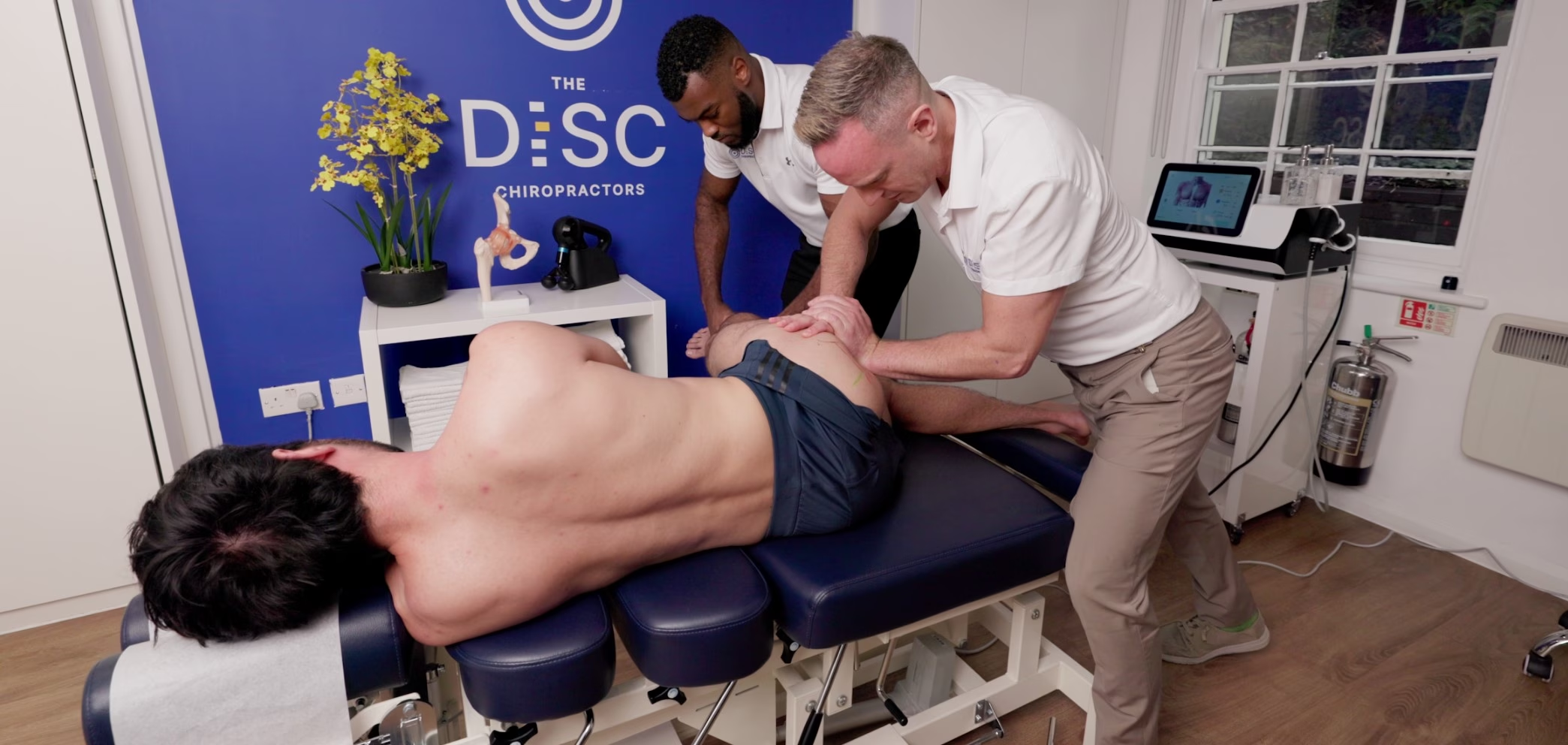
The majority of the spinal disc is inherently avascular, meaning it lacks its own blood supply, which makes healing a considerable challenge. So, having suffered from a disc injury myself, I was left knowing I would likely need more than traditional chiropractic to recover. That was in 2017, and we now have years of knowledge and experience utilising some of the most advanced technology for back pain, specifically slipped discs.
The body has to repair the disc itself, and that biological process takes time. The goal is to create an environment where that is possible. Our approach to slipped disc treatment is delivered via our flagship DISC Protocol, which addresses this in three overlapping stages, with treatment progressing as the slipped disc becomes less irritable and more capable.
- Calm and desensitise
- Stabilise and rebuild
- Strengthen and reload
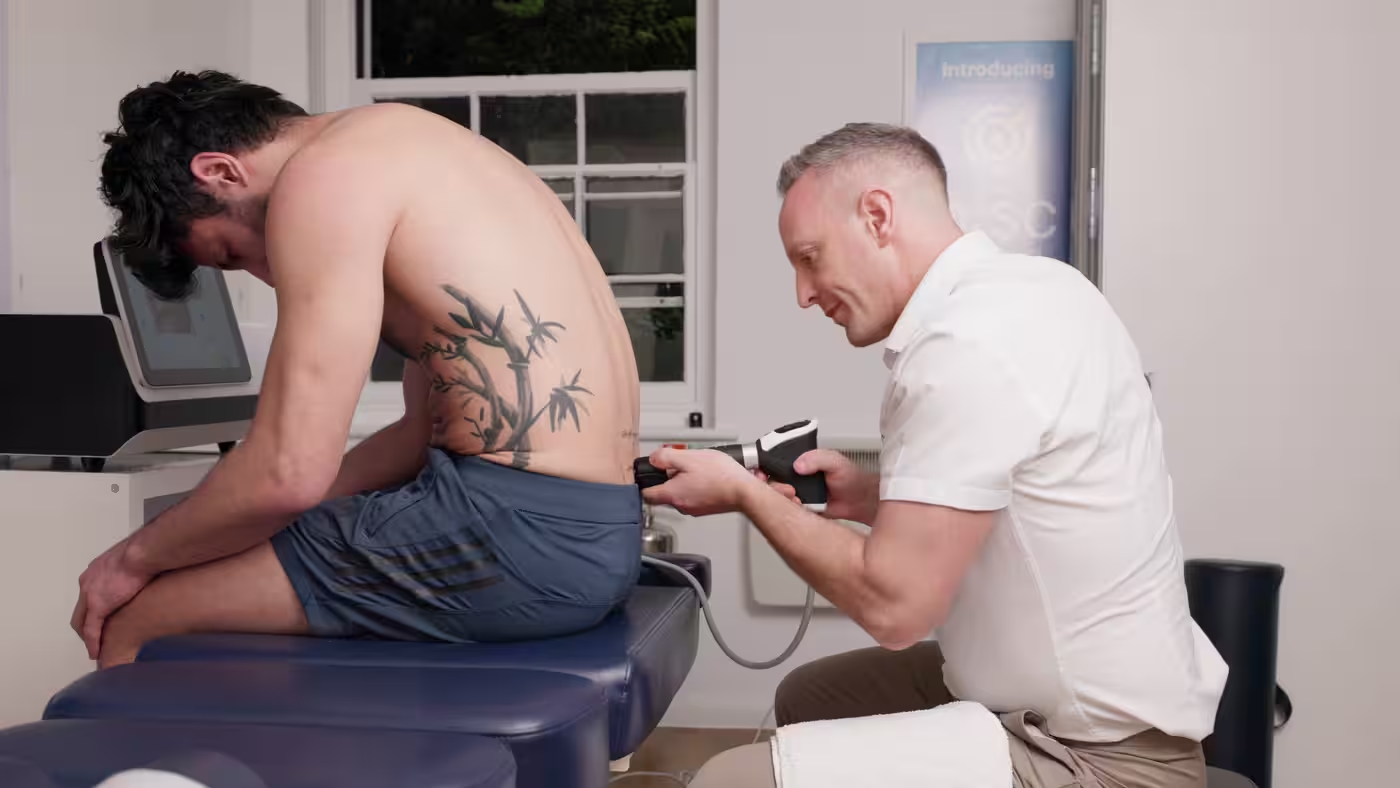
Spinal decompression therapy (SDT) is the foundation of our slipped disc treatments, designed to change that environment. It uses controlled, computer-guided traction to reduce pressure through the affected spinal segment.
The theory of why it works (as medical knowledge is still flying blind when it comes to discs) is that a negative pressure is created inside the disc, creating a vacuum effect on the slipped material, and, more than that, it floods the disc with the nutrients it needs to rebuild damaged cells.
Do you need an MRI scan for a slipped disc?
MRIs are the gold standard for identifying damage caused by a slipped disc and are always a useful addition to a treatment plan for a slipped disc. However, if we reframe the question:
Do I need an MRI to begin treatment for a slipped disc?
Usually, no. UK guidance is clear that imaging should not be routine for uncomplicated back pain or sciatica. An MRI earns its place when the result is likely to change what happens next. That may be immediately, where there is significant neurological involvement, an unusual presentation, or symptoms severe enough that surgical options need to be at least discussed.
More commonly, we request MRI when a suspected disc injury is not responding to treatment as expected. That failure to progress is useful information and gives us a reason to look deeper rather than simply repeating the same treatment.
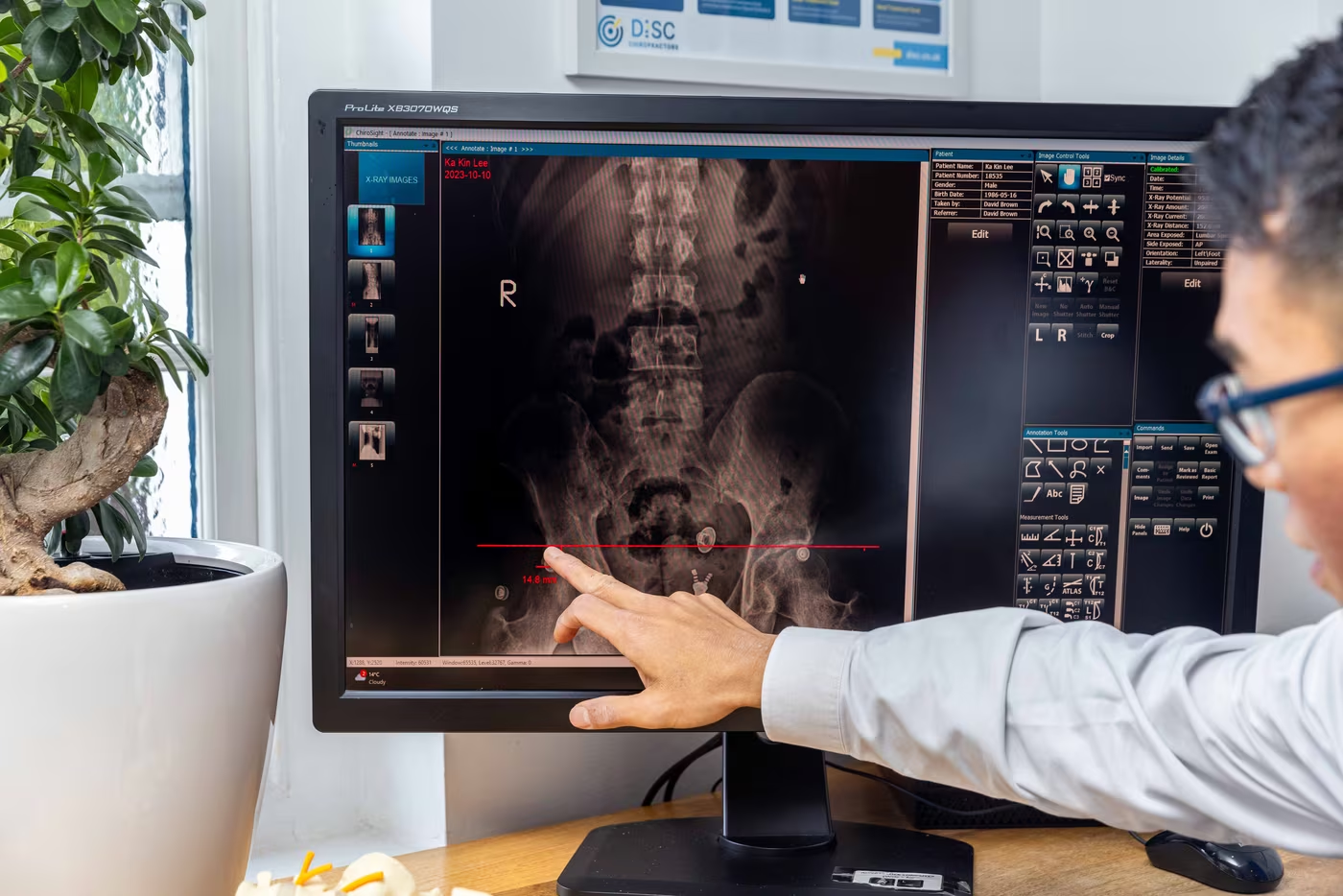
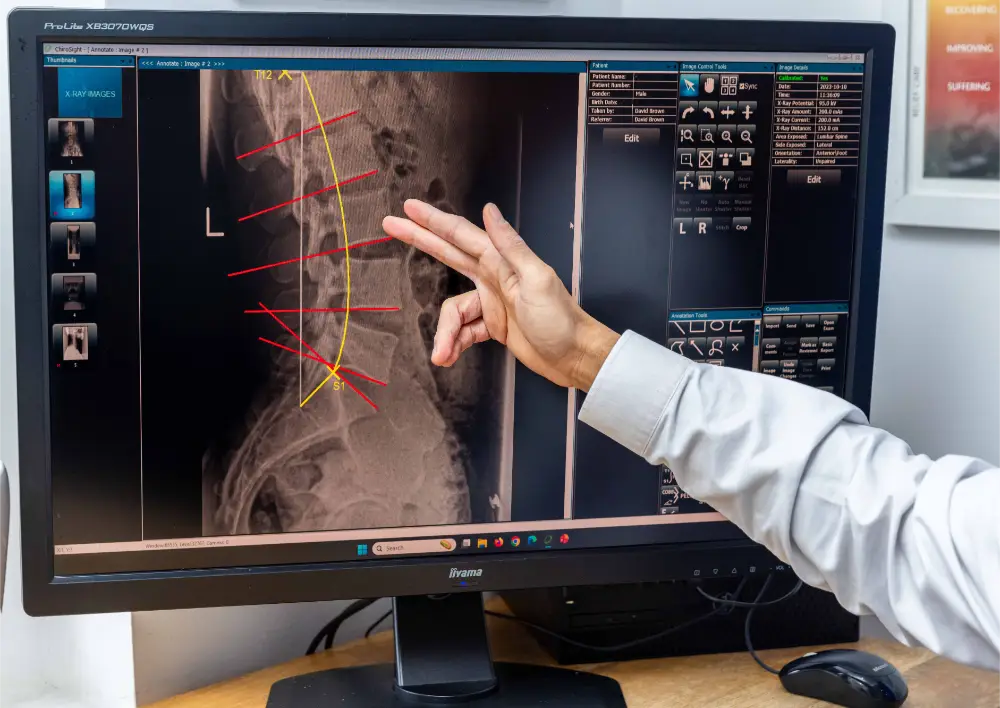
X-ray offers a different perspective; it looks more at why the disc became damaged in the first place. It can show bone, alignment, instability, disc-space narrowing, degeneration, and previous fractures, as well as findings that might affect how safely or intensely we treat. What it cannot show is the herniated disc itself, and any claim to the contrary is questionable.
We have on-site X-ray facilities and can refer directly for private MRI, with results normally returned within days.
If you already have a spinal MRI but left the appointment none the wiser, we would always prefer a chance to view the images ourselves prior to care. Our MRI review service goes through the images and report and relates the findings to your symptoms and examination. That is a very different exercise from simply being read a list of abnormalities.
What to do next
If you have been given a slipped disc diagnosis and are somewhere between waiting and being sent for an opinion you are not sure you want, the useful next step is an assessment that answers the questions this page is built on: how much of this is the disc, how much is what surrounds it, and what stage it is at. That is what decides whether you need a short course of straightforward slipped disc treatment, a staged programme, or investigation first.