
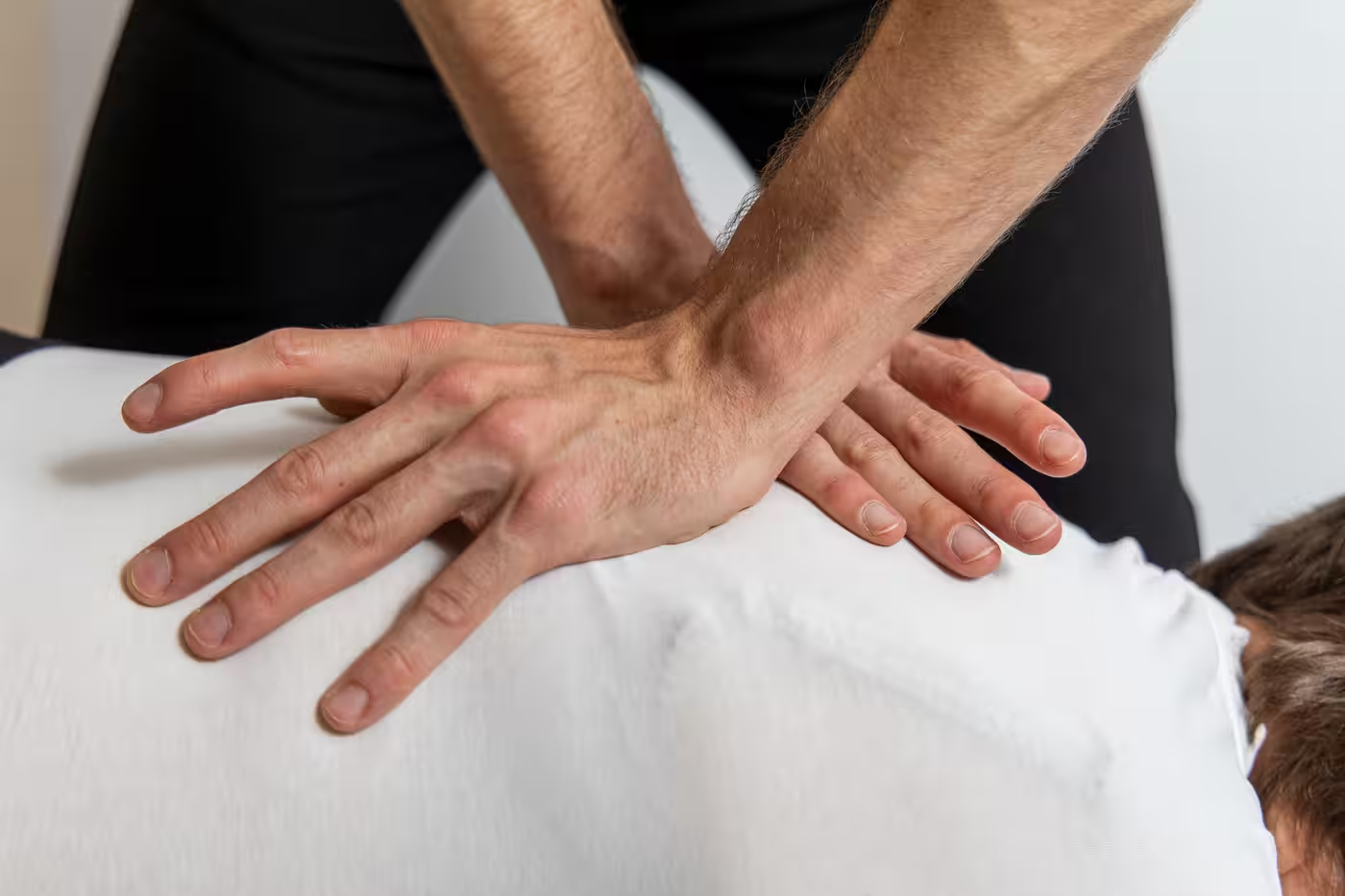
Mid Back and Thoracic Pain: What Your Back’s Behaviour Tells You
Mid back pain gets less attention than neck or lower back pain, and it gets the vaguest explanations of the three. It’s a relative no-man’s-land compared to them, so most people are told it is muscular or postural, or that they carry stress in their shoulders.
The mid back covers the lower two-thirds of the thoracic spine: roughly from where the shoulder blades end, down to where the ribs finish.
Useful information isn’t where it hurts. It is how the region behaves. Three questions do most of the work: does it change when you breathe, does it change when you turn, and how long can you hold a position before it starts?
What “mid back pain” actually means
Mid back pain is a location, not a diagnosis. It describes an area, much like “chest pain” describes an area.
The structures that can generate it are a relatively short list: the facet joints at the back of each segment, the joints where each rib meets the spine, the discs, the intercostal muscles, and the connective tissue wrapping it all.
What makes this region different is the rib cage. Every level is tied to a pair of ribs, and those ribs are tied to each other and, higher up, to the breastbone.
The thoracic spine is therefore considerably more stable than the regions above and below it, but stability has a cost. In a region built to resist movement, further losing even a small amount of movement matters, and a single stiff segment is often felt rather than absorbed.
What does the research say?
Research into mid-back pain is less developed than research into the neck or lower back, and prevalence estimates vary considerably depending on how thoracic pain is defined. What is much clearer is that the thoracic spine cannot be considered separately from the rib cage. Biomechanical research shows that the ribs substantially change thoracic stability, particularly during rotation.
Does your mid back pain change when you breathe?
We ask this first because almost nobody else does, and the answer is unusually informative. There are 3 key reasons we ask…
Why a rib joint can make a deep breath catch
Each rib connects to the spine at two separate joints. The head of the rib meets the vertebral body, and a little further out the rib meets the transverse process, the bony wing sticking out sideways. Both are true joints, and both must glide every time your chest expands.
If restricted, these can be particularly painful, but because it is usually one joint, it’s usually one-sided. Yet it can feel disproportionately alarming to what is happening, because pain when breathing feels like a breathing problem.
You take roughly twenty thousand breaths a day, so if one of those joints is irritated, you need do nothing unusual to provoke it. Breathing will do. That gives this pain a signature that patients consistently describe: a sharp catch on a deep breath, a stab with a cough, and a sore point beside the spine that can be found with one fingertip.
The muscle that breathes and holds you up
The diaphragm is the main muscle of breathing. It is also a postural muscle, and that dual role explains a pattern we see repeatedly. It sits like a dome under the lower ribs, attaching around the entire costal margin and extending back to the thoracolumbar vertebrae. When you inhale, it flattens. When you brace to lift, it also contracts to help stiffen the trunk.
The diaphragm is also one-third of the body’s core musculature and vital for stability. We often describe the core muscles as a canister; the pelvic floor provides the base, the diaphragm the ceiling, and the abdominal walls form the corset centre. Without a functional pelvic floor and diaphragm, the corset core can’t form effective tension and therefore stability.
The diaphragm also forms fascial connections to the rest of the body posteriorly via the hip flexors and thoracic musculature, meaning stress and tension in this system can easily spread. Clinically, diaphragm tension can often create a band-like tension across the mid-back and is often resistant to traditional spinal treatments or rehabilitation.
How to tell if it is your lungs or your back
Pain from a rib joint or the intercostal muscles usually has a mechanical origin. It changes with position, is tender when you press the spot, has a sharp edge when you take a deep breath but is absent when you breathe quietly, and can usually be provoked by movement rather than by breathing alone.
Pain from the lungs or their lining tends to be present regardless of position, is not reproduced by pressing, and usually comes with breathlessness, a cough, a fever, or a general feeling of unwellness.
Whilst mechanical behaviour supports a musculoskeletal explanation. It does not on its own rule out a medical one. Pain from the lining of the lung changes with breathing too, as can kidney pain, which can also radiate into the mid back.
Does it change when you turn?
Rotation is this region’s chief job. The lumbar spine barely rotates. When you turn to reverse a car, swing a club, or reach across for something on the passenger seat, most of that movement happens between your shoulder blades and your waist.
Thoracic rotation loads the facet and rib joints through glide and shear forces. Some people have one, and not the other, and which is worse tells us where to start. We watch for asymmetry rather than restriction. Almost everyone with mid-back pain has lost some rotation; turning comfortably one way and catching sharply the other tells us a great deal, because it points to a side and often to a level.
One well-evidenced connection is worth knowing. The back’s big shoulder muscles, the latissimus dorsi, blend into the connective tissue of the lower back and connect through to the opposite gluteus maximus. This means dysfunction in one shoulder can affect the opposite-side hip, creating a fascial pattern of weakness that could potentially trigger mid-back pain.
How long before your mid back pain starts?
The third question is duration, not position.
The signature pattern here is a slow build. Mechanical mid back pain typically arrives after stillness rather than after a movement: the last hour of a long drive, the afternoon of a desk day, a long-haul flight. It frequently eases within minutes of standing up and moving, which is itself diagnostic information.
That is the opposite of what most people expect from a back problem, which is why so many conclude that nothing much is wrong. They are half right. There is rarely local damage; often, a region has simply lost its tolerance for being held still.
Tolerance also improves before pain intensity does. Sitting through a two-hour meeting rather than one is real progress, even if the pain registers the same when it arrives.
Where exactly is your mid back pain?
Location refines the picture rather than deciding it. Referral patterns here overlap heavily between neighbouring levels, and we would be wary of any assessment that reads a diagnosis straight off a body chart.
One side, close to the spine
A sore point a few centimetres from the midline, palpable with a fingertip, aggravated by deep breathing and worse when turning one way, points to a rib or facet joint at that level. This is the most common presentation we see here, and usually the most straightforward to treat.
Wrapping round towards the front
Pain that starts beside the spine and travels round the rib line, sometimes as far as the front of the chest. It is a recognised pattern and one reason this pain is mistaken for something internal: referral along the course of the intercostal muscles and nerves, commonly known as intercostal neuralgia.
Where the mid back meets the lower back
The thoracolumbar junction, around the level of the twelfth rib, is a transitional area. Above it, the ribs brace everything, and the joints are built for rotation. Below it, the ribs are gone, and the joints are built for bending. That change happens over one or two segments, and transitions are where load concentrates.
In our clinical experience, tension in the anterior fascial/diaphragmatic system is a frequently overlooked contributor to pain around the lower ribs and thoracolumbar junction. Patients may feel pain in the back while assessment finds significant restriction in the front.
Between the shoulder blades
Pain centred between or underneath the shoulder blades behaves differently and usually involves different structures, including the muscles that control the shoulder blades. Our upper back pain page covers it properly.


Costochondritis and anterior rib pain
The same rib cage that can cause pain along the spine can also cause pain at the front. Where the pain begins and which part of the rib is tender help distinguish between them.
One of the most common anterior patterns is inflammation where the ribs meet the breastbone, known as Costochondritis. It produces pain at the front of the chest, usually on one side, often across several adjacent ribs. It is characteristically tender to palpation but should be differentiated from popped or fractured ribs, and features of cardiac distress should also be assessed.
It gets confused with thoracic and rib pain for good reason: both involve the ribs, both are worse with breathing, and both can produce a band of pain that seems to run around the chest. Three differences usually separate them:
- Where it starts. Costochondritis is a front-of-chest problem. Mechanical rib joint pain starts beside the spine and may travel forward.
- What is tender. In costochondritis, pressing the junctions at the front reproduces the pain. In posterior rib pain, the tender spot is at the back.
- What provokes it. Costochondritis is aggravated by expanding or stretching the chest wall. Posterior rib and facet pain responds more to rotation and sustained positions.
Costochondritis is usually self-limiting and settles over weeks to a few months, though it can be persistent and is often more uncomfortable than its seriousness warrants.
Could my mid back pain just be muscular?
Partly, usually, and rarely in the way people mean.
Intercostal strain between the ribs is a real injury with a clear mechanism: a heavy cough, a violent sneeze, an awkward lift with a twist. It behaves like an injury, with a defined onset, matching tenderness and steady improvement over one to three weeks.
Far more often, the muscle is responding rather than causing. When a joint in the mid back here becomes irritable, the muscles around it tighten to limit its movement. That guarding genuinely hurts, and it is what most people mean by a knot beside the spine. Massage-based care can provide real relief, but it often doesn’t last past the next day because the underlying cause remains. Our muscle spasms page covers the mechanism.
Could my mid back pain be anything else?
If it starts with a cough or a strain, or has a sudden onset tied to a moment of pressure, with pain banding around the chest, it raises the possibility of disc involvement. Relatively uncommon in the mid back, but it happens. Our Slipped Disc page provides further details on the diagnosis.
The thoracic spine also lies in front of many important structures, and this is the region where people most commonly worry about their organs.
The reason organ pain can feel like back pain is not mysterious. Sensation from internal organs and structures of the thoracic spine enters the spinal cord at overlapping levels and shares pathways upward. The brain receives a signal it cannot precisely place and refers it to the body wall. This is why gallbladder problems are classically felt at the right shoulder blade, and why some cardiac events are felt in the back or left arm.
The useful distinction is behavioural. Mechanical pain changes with what you do. Visceral pain more often follows its own schedule, linked to eating or digestion or nothing identifiable, and does not reliably change when you move.
When mid back pain needs urgent medical attention
Most mid back pain is mechanical and settles. A small number of presentations need attention quickly.
Call 999 or go to A&E if you have:
- Sudden severe tearing pain between the shoulder blades, particularly with chest pain, breathlessness, or a difference between the arms
- Chest pain or tightness with breathlessness, sweating, nausea, or pain spreading to the jaw, neck or arm
- Sharp pain on breathing with new breathlessness, particularly after surgery, immobility, long travel, or with swelling in a calf
- Progressive weakness or numbness in both legs, unsteadiness on your feet, or any change in bladder or bowel control
- Mid back pain following significant trauma such as a fall from height or a road traffic collision
Do you need an X-ray or MRI?
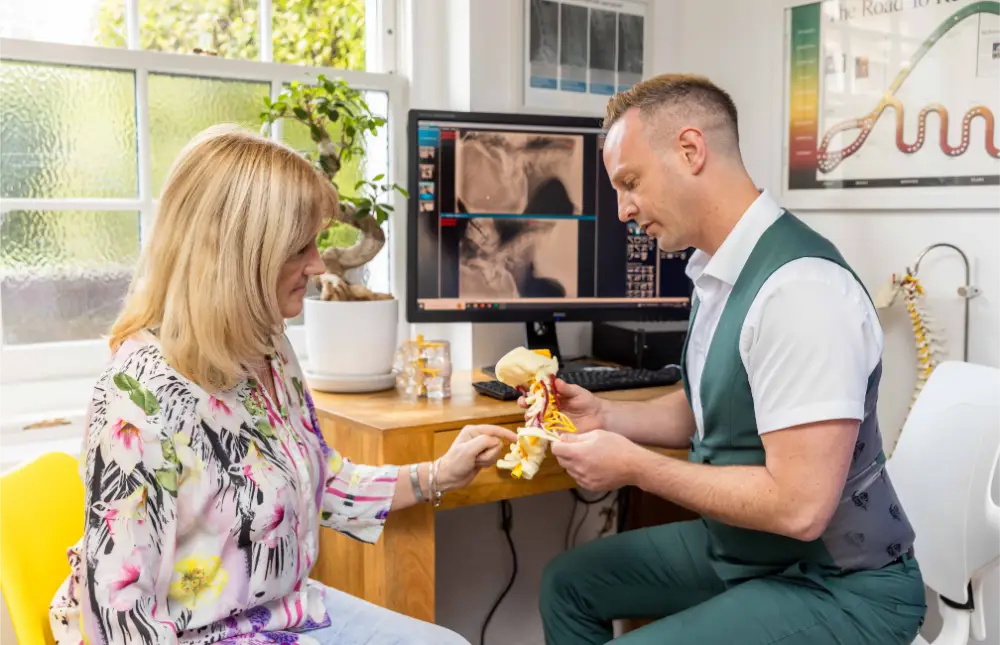
Most people do not, and imaging early is more likely to confuse the picture than clarify it. Scans frequently find degeneration in people with no symptoms whatsoever.
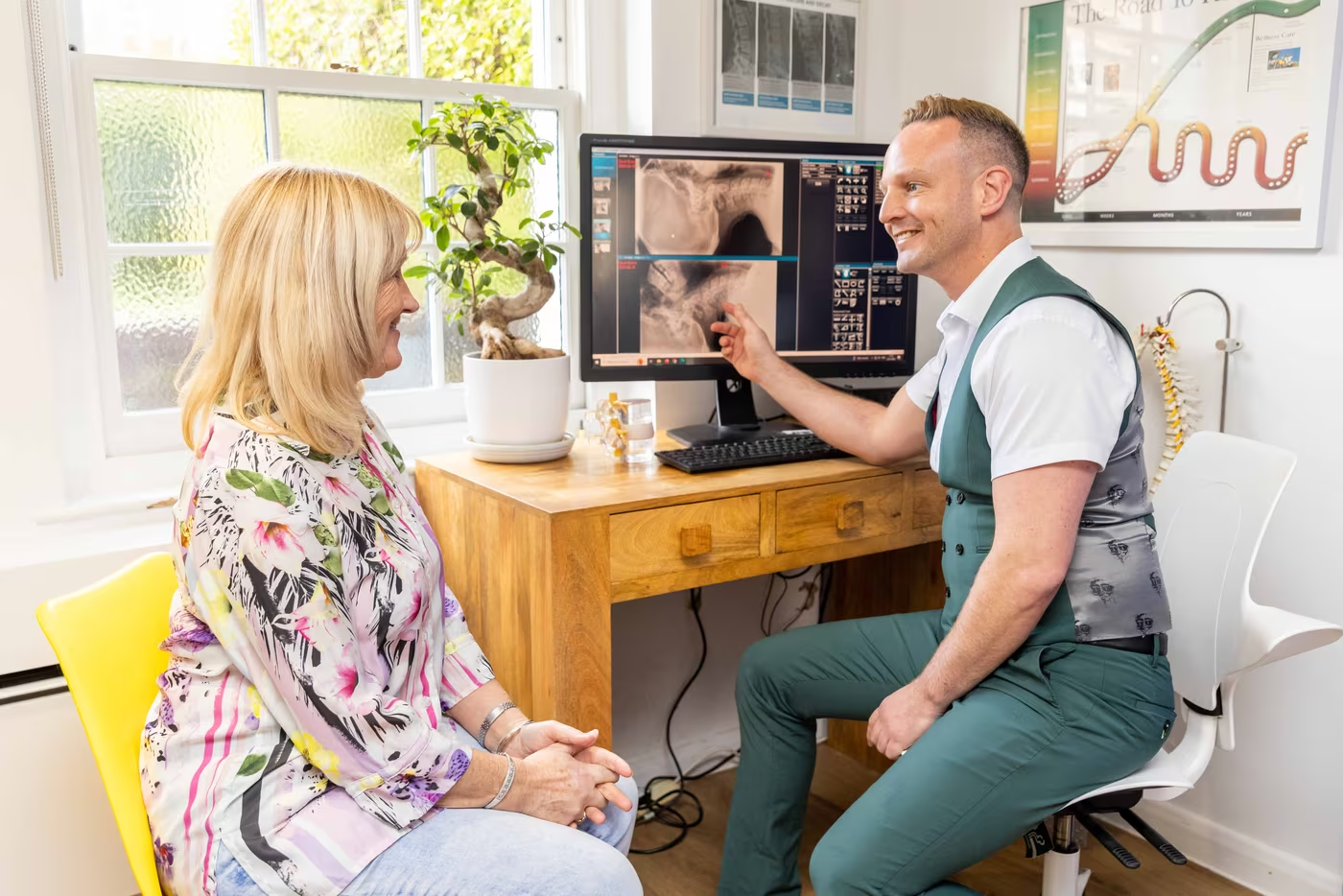
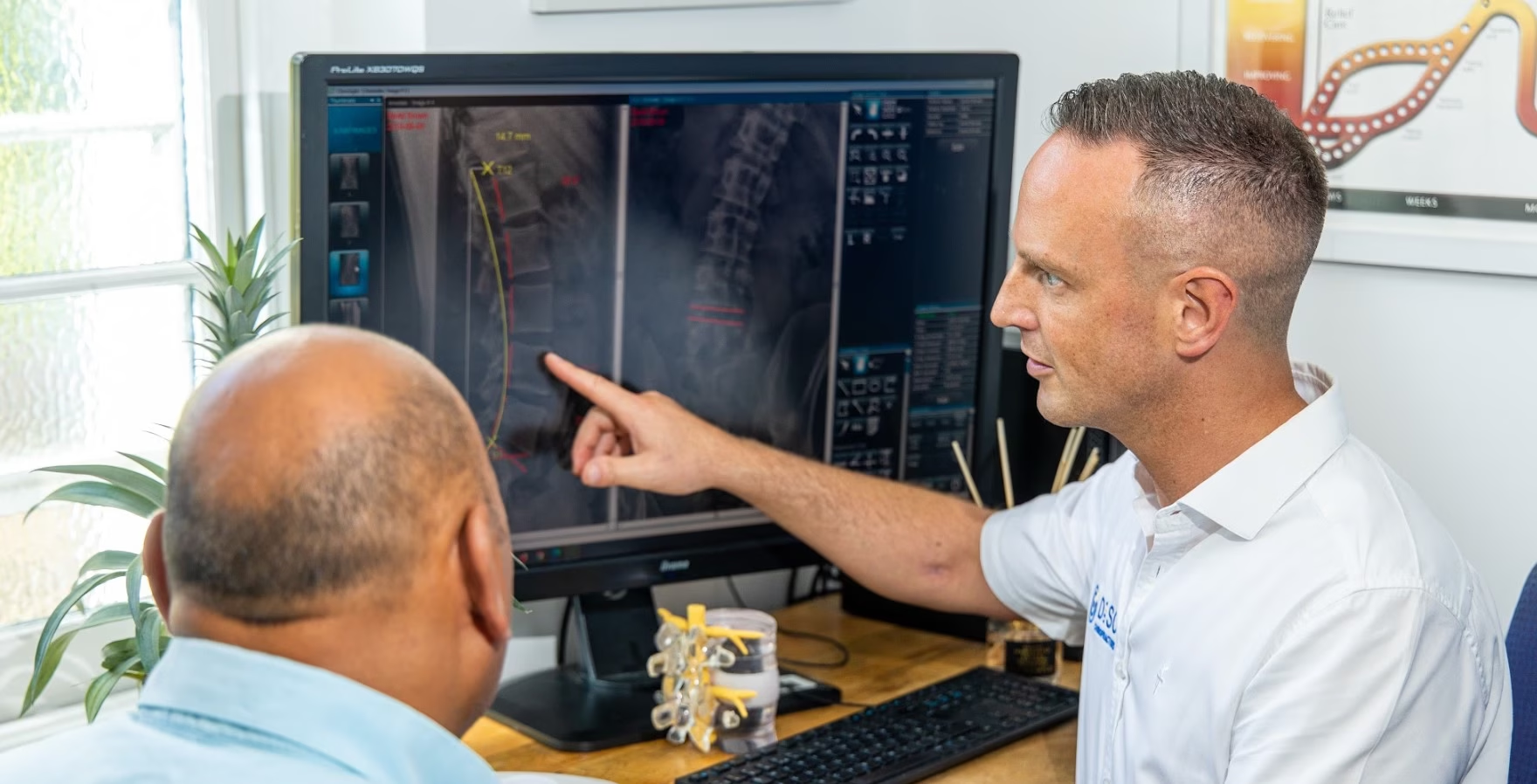
Most mid-back pain does not require an X-ray. Imaging becomes more relevant when the history or examination raises concern about fracture or significant structural change. This might include new unexplained thoracic pain following a fall or injury, particularly alongside osteoporosis, long-term steroid use, marked spinal deformity or other recognised fracture risks.
The decision should therefore be based on a combination of the patient’s history, risk factors, and examination findings, rather than on age or pain location alone.
MRI may be required in cases of postural deformities such as scoliosis and hyperkyphosis, or when symptoms suggest involvement of the spinal cord or other neurological structures. The spinal cord passes through the thoracic spine, so findings such as progressive weakness or altered sensation in the legs, changes in walking or balance, or new bladder or bowel dysfunction require appropriate medical assessment rather than routine mechanical treatment.
Thes DISC Chiropractors has an on-site X-ray facility and can refer for a private MRI, with results available within a few days.
What Mid back pain treatment involves
Treatment follows the findings, and for most people it is simpler than the full range we have available.
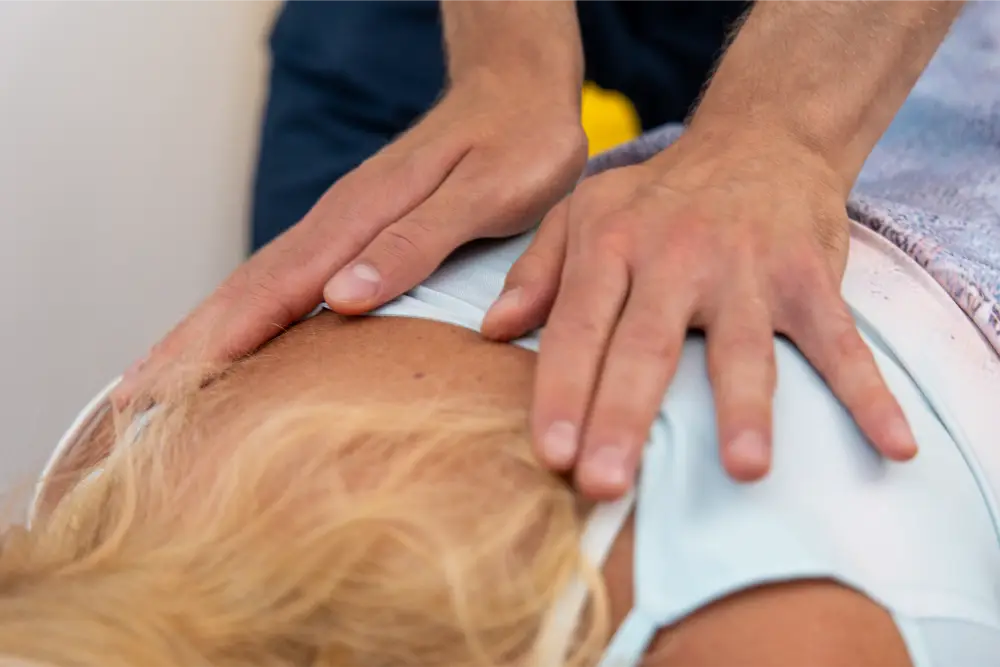
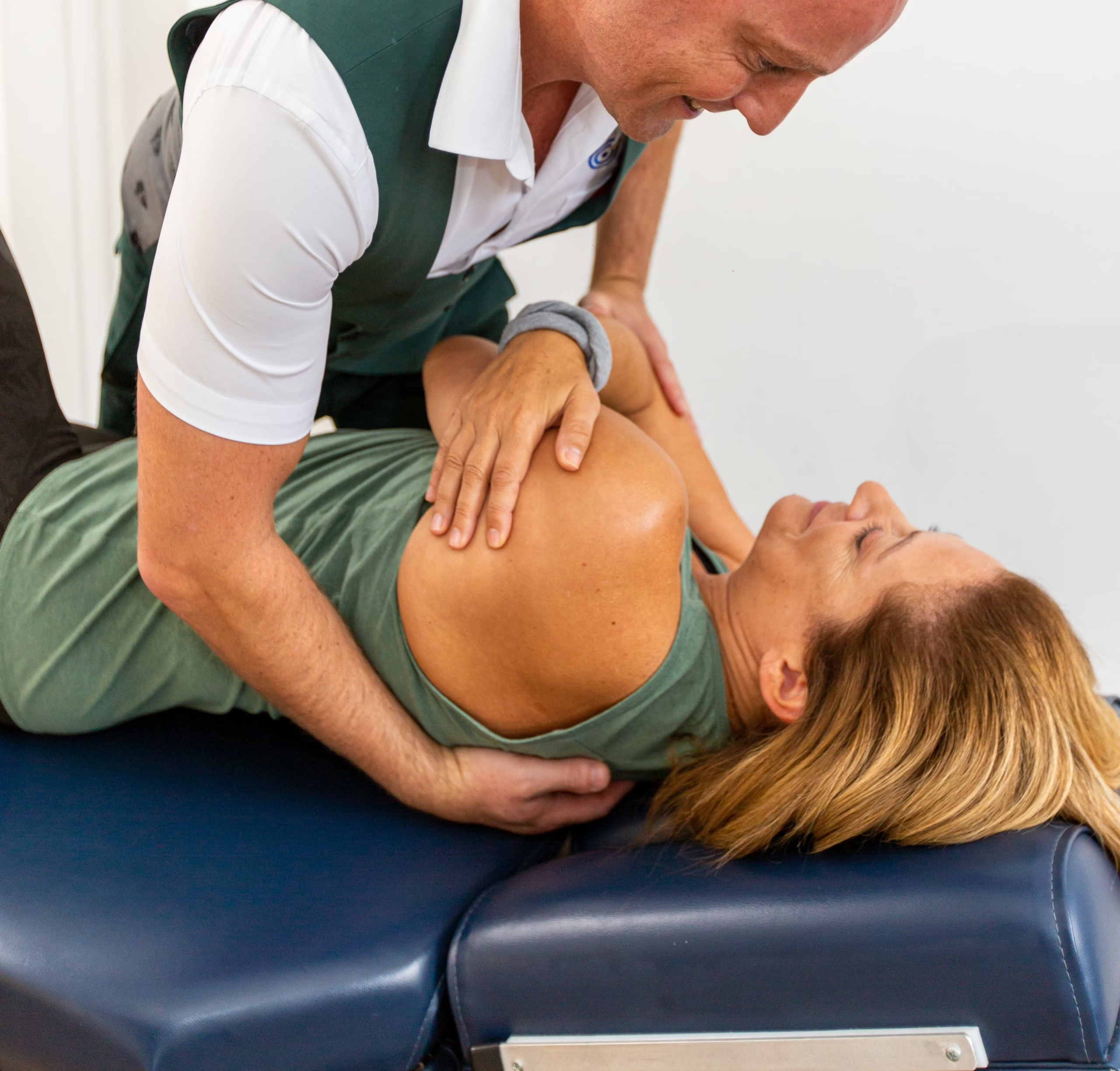
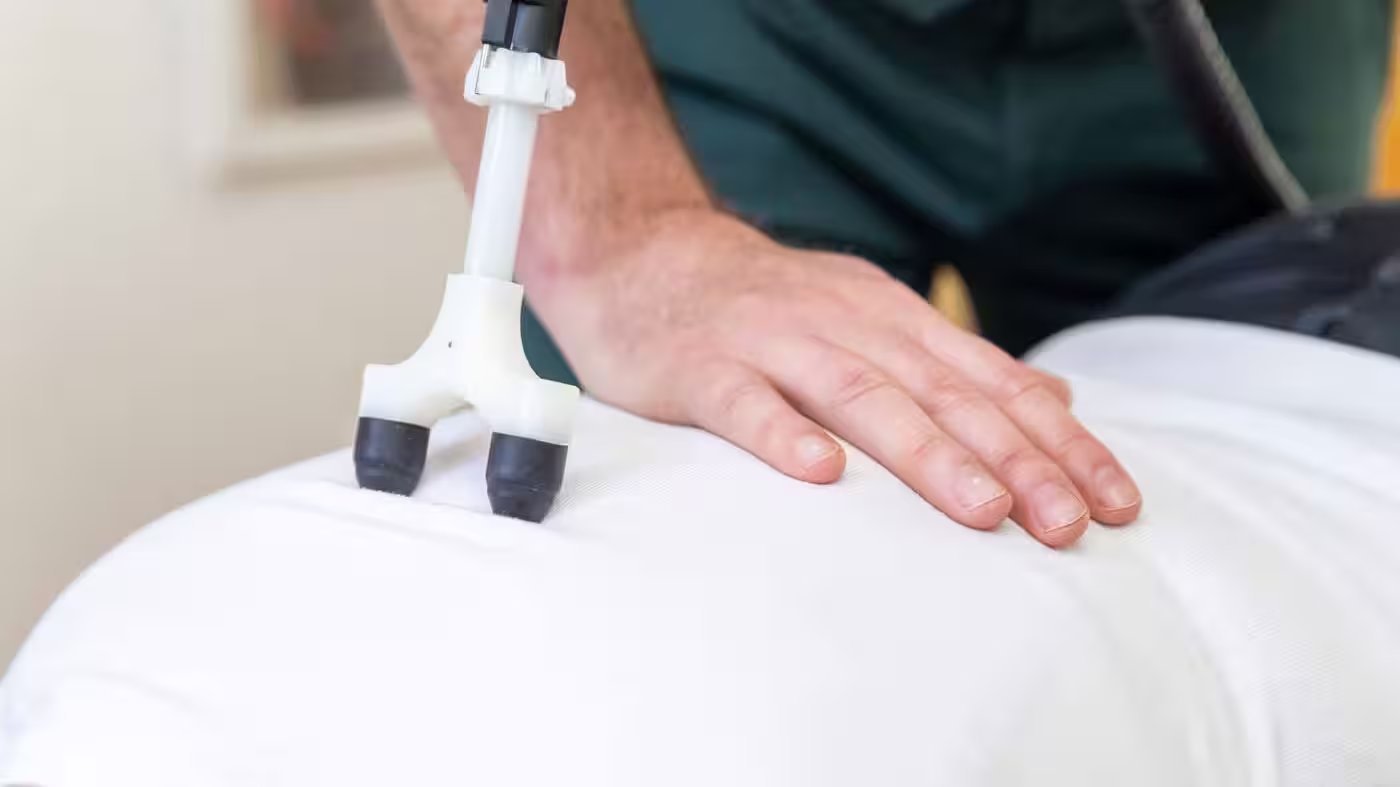
Straightforward presentations need straightforward care. A first or occasional episode with a clear mechanical pattern usually responds to manual treatment of the restricted thoracic and rib joints, advice on which positions and loads to modify, and a graded return to activity. Several weeks, not several months. Our chiropractic treatment page describes that approach.
If this is not a specialist problem requiring advanced technology, we would rather say so. If your mid back pain is recent, mild and uncomplicated, we would not recommend travelling more than five miles to reach us.
Recurrent and persistent presentations require a broader view. Treating the same sore segment again is unlikely to change the pattern. Assessment widens to thoracic rotation, rib mechanics, hip rotation, core stability failure, fascial adhesion, especially where anterior restriction is limiting things.
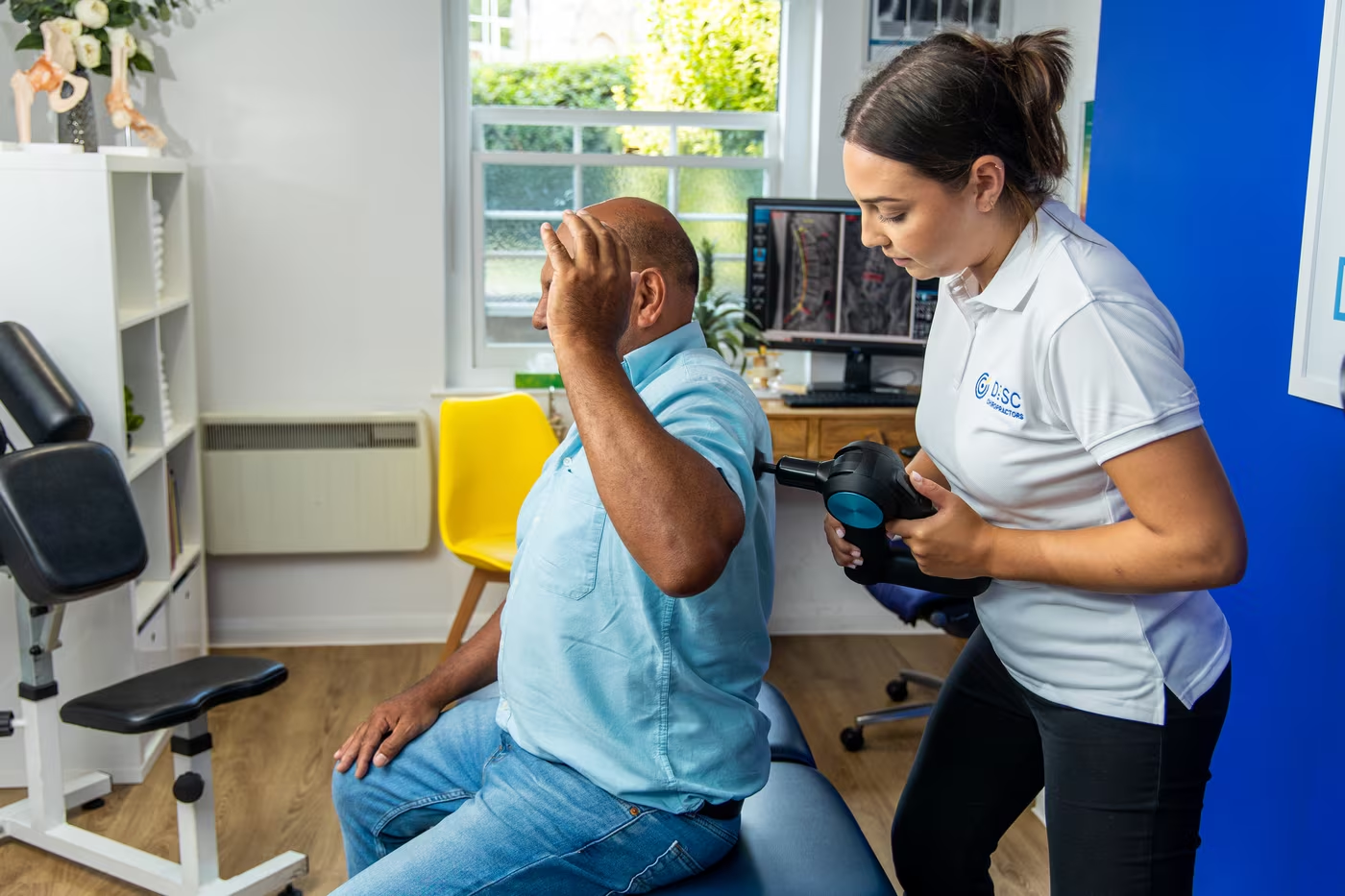
Treatment is then staged: settle the irritable structure, restore the lost movement, and rebuild tolerance for the loads that exceeded it. Where findings support it, that includes diaphragmatic and anterior mobility work, and the psoas as part of that pattern rather than as a target in its own right.
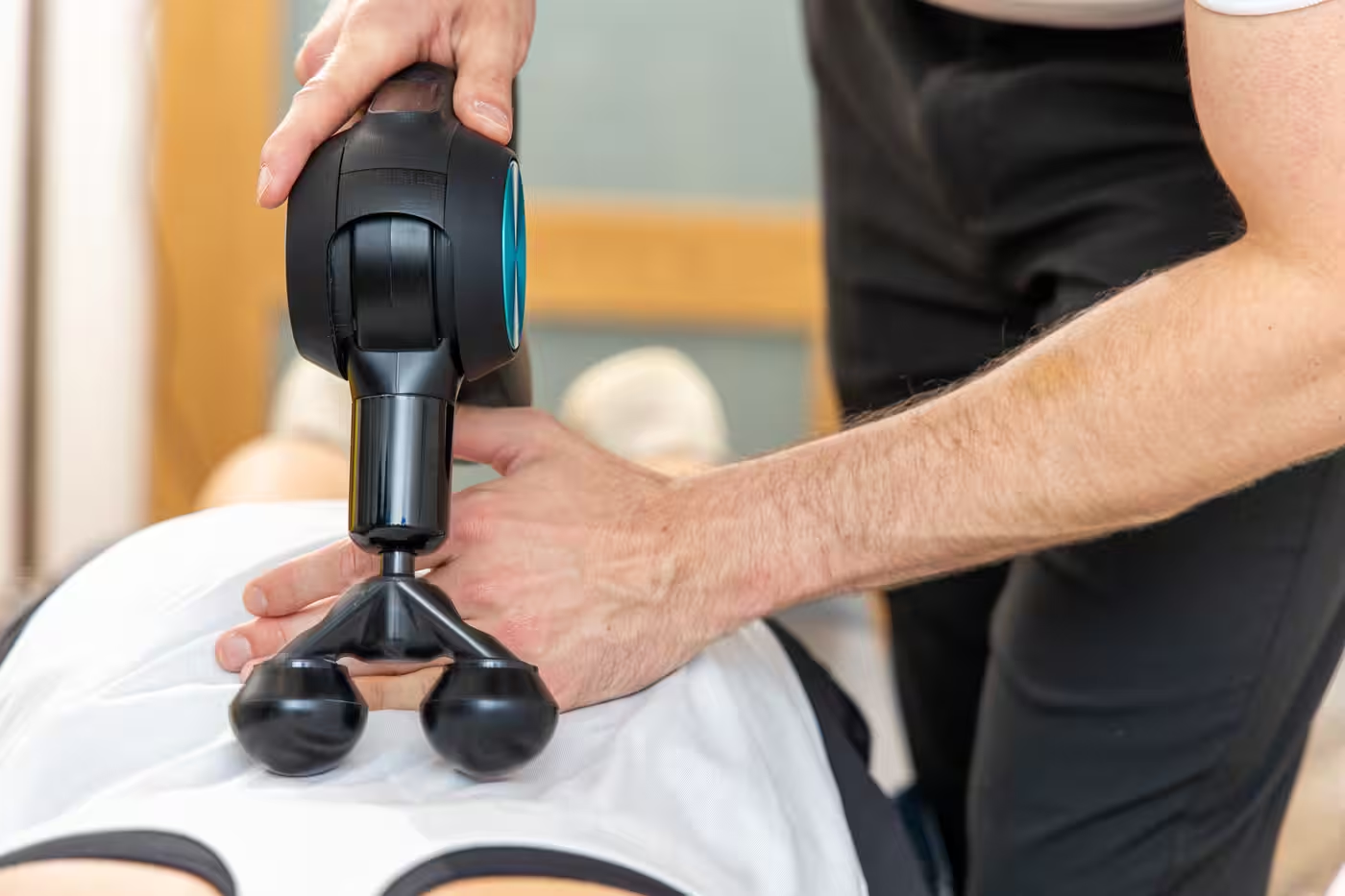
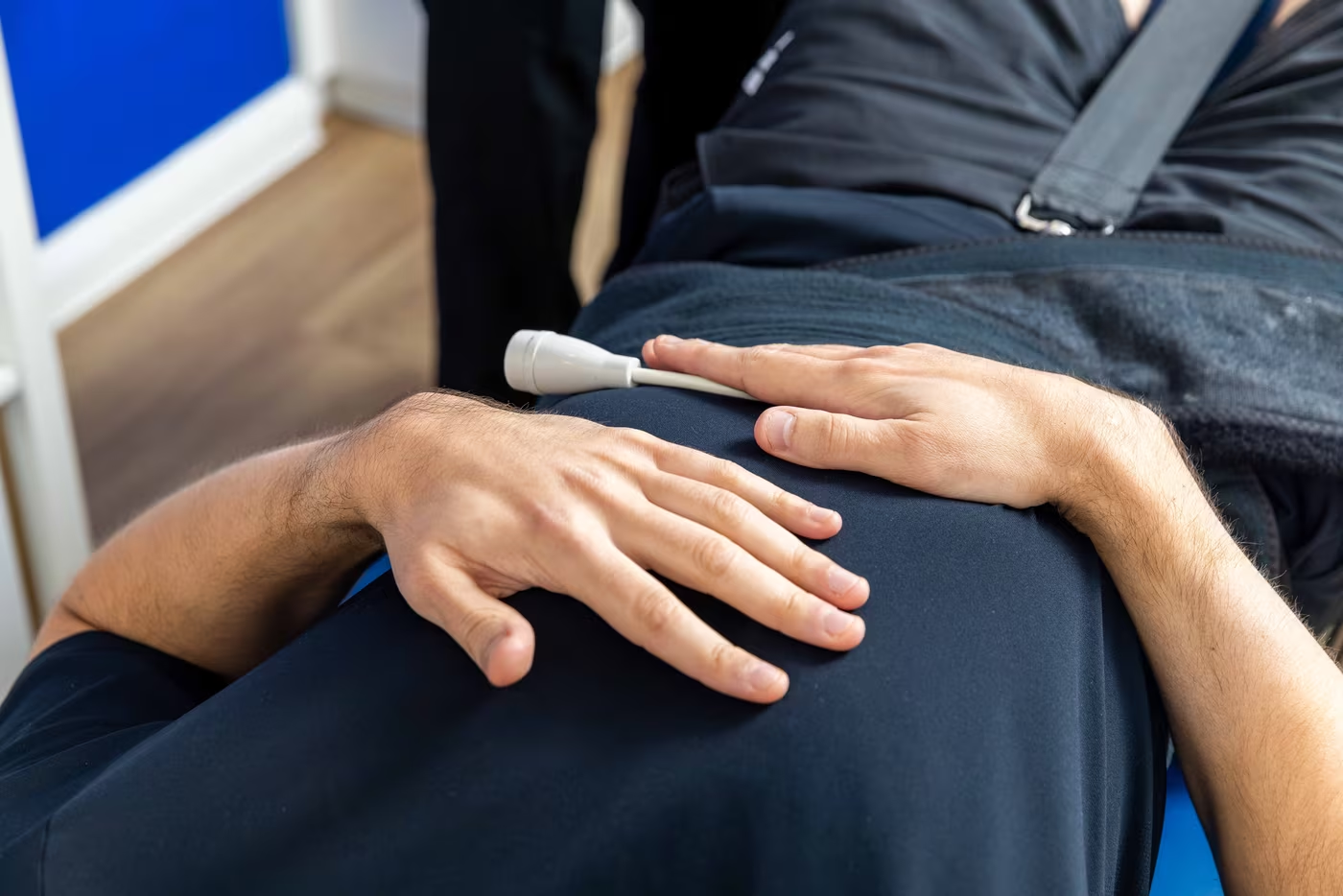
Advanced therapies could include:
- Laser Therapy
- Shockwave/Pressurewave Therapy
- Adhesion release Methods
- HIEMT – core stability
- Fascial Release
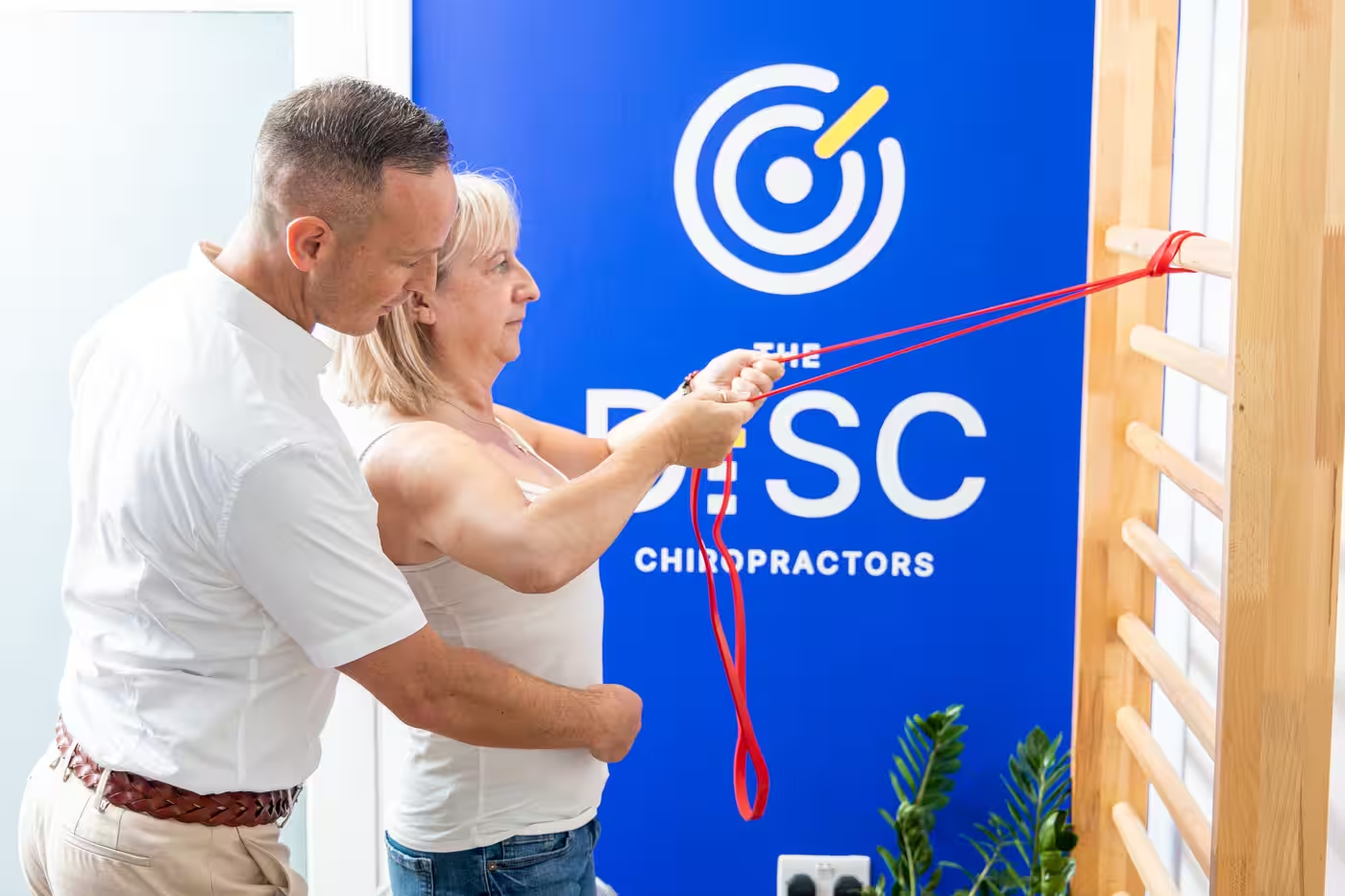
- Structured Rehabilitation
What to do next?
If your mid back pain has not settled after a few weeks, keeps returning, or catches every time you take a deep breath, an assessment that establishes how the region actually behaves is the sensible next step. It answers what the pain itself cannot: not simply where it hurts, but what your ribs, your thoracic spine and your breathing mechanics are currently doing about it.