
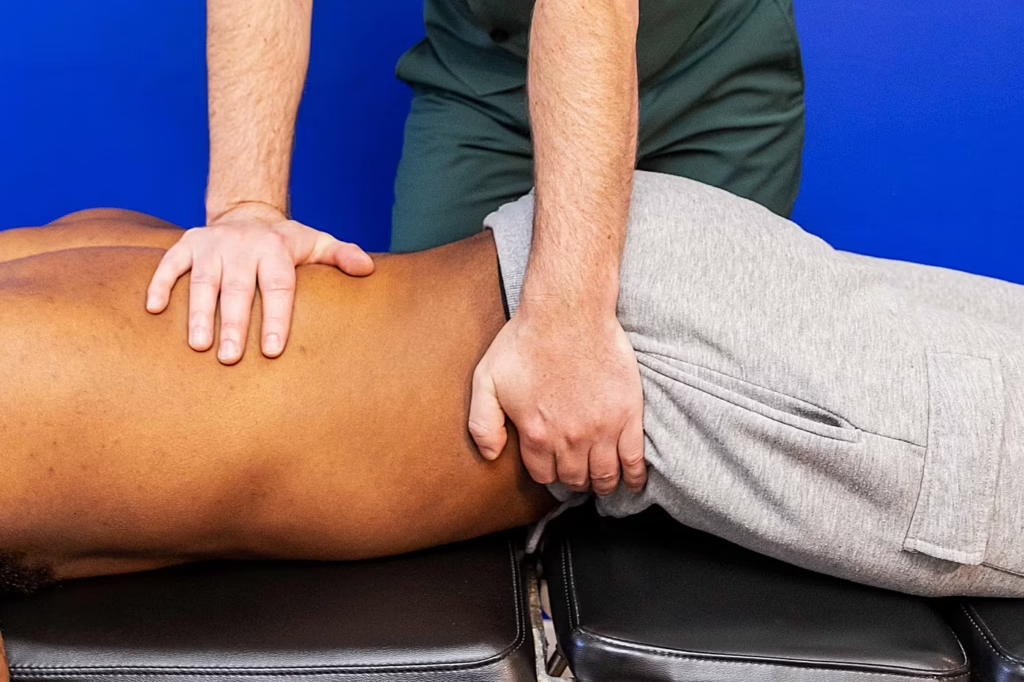
Table of Contents
Is Chiropractic Care the Right Choice for You

Chapter 1
Chiropractic Care in Surbiton
If you’re wondering whether chiropractic care in Surbiton might suit you well, you’re not alone. With so many treatment options available, it’s natural to wonder where chiropractic fits into your personal health journey. Whether you’re dealing with persistent pain, posture issues, stress-related tension, or simply curious about preventative care, this guide will help you understand if chiropractic care could be the right choice for your needs.
What Makes Someone a Good Candidate for Chiropractic Care?
Chiropractic care is well-suited for individuals seeking a non-invasive, drug-free approach to musculoskeletal health. It may provide noticeable relief for neck or back discomfort, stiffness, reduced mobility, or general tension caused by daily life or work postures. Chiropractic also appeals to those who value a holistic view of health and prefer to address root causes instead of merely masking symptoms with medications [Z2], [Z7], [Z18].
Good chiropractic care candidates are also open to active participation in their recovery. For patients who want to take a role in recovery, chiropractic care can also sit well alongside exercise, posture advice, lifestyle changes, and graded return to normal activity [Z6], [Z7].
Can Chiropractic Help with My Specific Issue?
Chiropractic care specialises in identifying and correcting mechanical problems involving the movement of joints, muscles, and the spine. Put simply, if it moves (or should move and doesn’t), chiropractic care can usually help.
The “hands-on” manual therapy addresses biomechanical dysfunction to heal musculoskeletal pain. Chiropractic care focuses on assessing and managing mechanical problems involving joints, muscles, nerves, and the spine. It is most strongly supported for musculoskeletal presentations such as low back pain, neck pain, and some headache-related or movement-related symptoms, where manual therapy may form part of a broader care plan [Z15], [Z16], [Z30], [Z31], [Z32].
While chiropractors don’t treat diseases in the traditional medical sense, they are highly effective at managing conditions that stem from poor mobility, joint dysfunction, and postural strain, such as:
- Neck pain
- Tension headaches
- Sciatica
- Shoulder and hip discomfort
- Joint stiffness or restricted movement
- Muscular tension and postural strain
These symptoms are often influenced by load, posture, mobility, stress, previous injury, and activity patterns, so good chiropractic care should assess the wider movement system rather than only chasing the painful area [Z2], [Z20].
Modern chiropractic practice commonly includes assessment, rehabilitation exercise, soft tissue techniques, and musculoskeletal management beyond spinal manipulation alone.[z62]
Do I Need a Referral to See a Chiropractor in Surbiton?
In the UK, you can book a chiropractic appointment directly without a GP referral. Chiropractic is a regulated healthcare profession, and UK chiropractors must be registered with the General Chiropractic Council to practise legally [Z12], [Z14]. Chiropractors are trained to assess, diagnose, manage, and refer patients with musculoskeletal complaints, while recognising when a case falls outside their scope of care [Z5], [Z12].
That said, your GP has a professional responsibility to offer informed options for musculoskeletal care. Current NICE (National Institute for Health and Care Excellence) guidelines recognise manual therapy, including spinal manipulation, as a valid treatment for conditions like low back pain and sciatica [Z1].
Keeping a patient informed is also a two-way street. Suppose you’re discussing your symptoms with your GP. In that case, they should be aware of these guidelines and be open to referring you privately when chiropractic care is appropriate or when you specifically request it. A good GP will support a collaborative, patient-led approach, especially when exploring conservative, drug-free options like chiropractic.
Is It Worth Seeing a Local Chiropractor Before Trying Other Treatments?
For many people, chiropractic care is a smart first step. It offers a gentle, non-invasive way to address mechanical issues in the body, like joint dysfunction, postural strain, or muscle tension, without resorting to medications or surgery. NICE and ACP guidance both place non-drug, non-surgical approaches within recommended care pathways for low back pain and sciatica [Z1], [Z18].
One of the main advantages of chiropractic care is that its benefits are built gradually and naturally. Treatments can be adjusted over time based on how your body responds, allowing space for healing without rushing into irreversible decisions.
In contrast, options like surgery or long-term medication often carry greater risks and offer no opportunity to reverse the treatment once it’s begun. While those options may be necessary in some cases, starting with a conservative approach like chiropractic means exploring your body’s potential to recover before committing to something more permanent.
By choosing chiropractic early, you leave all your other options open, and you may find you don’t need to use them. This does not mean chiropractic is always the right first choice, or that medication, injections, physiotherapy, or surgery are never needed. It means patients should be supported to understand their options, risks, benefits, and preferences before committing to a care pathway [Z4], [Z26].
How Do I Know If Chiropractic Is the Right Starting Point?
One useful clue is whether your symptoms change with movement, posture, load, rest, or activity. Pain that is clearly influenced by these factors may have a mechanical or musculoskeletal component, which is where chiropractic assessment may be appropriate [Z2], [Z20].
Another factor is your treatment preferences. If you’re looking for care that emphasises physical structure, function, and lifestyle, rather than prescriptions or passive treatments, chiropractic aligns well with those values.
Chiropractors spend their training focused heavily on musculoskeletal assessment, spinal function, biomechanics, and conservative care, as opposed the heavily pharmaceutically led medic training programs. This can make them a useful and obviously advantageous starting point for patients whose symptoms appear mechanical, provided the assessment is thorough and referral pathways are respected [Z5], [Z12], [Z20].
The starting point should always be a consultation and examination, not an assumption. A good chiropractor should explain what they think is happening, whether chiropractic care is suitable, what alternatives exist, and whether referral or imaging is more appropriate [Z4], [Z5], [Z26].
What Are the Biggest Misconceptions About Starting Chiropractic Care?
Many people hesitate because of myths or mixed messages. Common concerns include whether chiropractic is safe, whether patients are pressured into long-term care, whether neck treatment carries unusual risk, or whether the evidence only applies to back pain. Modern evidence suggests that most side effects are mild and short-lived, while serious adverse events appear rare when care is delivered by appropriately trained clinicians [Z3], [Z13].
For neck manipulation and stroke, large observational studies have not shown a clear causal relationship between chiropractic visits and vertebrobasilar stroke, and some evidence suggests similar associations are seen after GP visits for neck pain, which may reflect patients already developing symptoms before seeking care [Z11], [Z17], [Z25].
For ongoing or maintenance-style care, the key point is choice. Some patients choose periodic care, but this should be based on clear goals, shared decision-making, and informed consent rather than pressure or dependency [Z4], [Z21], [Z26].
Conclusion: Take the Next Step Toward Informed Care
Chiropractic care is not right for everyone, but for many people with mechanical pain, stiffness, or movement-related symptoms, it can be a safe, conservative, and empowering option when delivered by a qualified professional [Z5], [Z20]. The best way to find out is to have a proper consultation, ask questions, review your options, and make an informed decision based on your symptoms, goals, and preferences [Z4], [Z26].
Whether chiropractic becomes your primary path or part of a broader strategy, the goal is the same: to help you move better, feel better, and regain control of your health.

Chapter 2
What Exactly Is Chiropractic Care?
For many people, chiropractic is a healthcare term they have heard countless times but cannot quite define. At its simplest, chiropractic is a regulated healthcare profession focused on assessing, diagnosing, managing, and helping prevent mechanical disorders of the musculoskeletal system, especially problems involving the spine, joints, muscles, and nerves [Z8].
This chapter unpacks what chiropractic care truly entails, how it works, and why millions of people turn to local chiropractors each year for pain relief, improved mobility, and proactive wellness.
How is Chiropractic Care Different from Other Types of Manual Therapy?
Chiropractic overlaps with other manual therapy professions, but it has its own training, professional regulation, assessment style, and treatment focus. Chiropractors are particularly associated with spinal and joint assessment, manual therapy, movement function, and the relationship between the spine, musculoskeletal system, and nervous system [Z8].
Osteopathy is probably the closest comparison. The NHS describes osteopathy as a way of detecting, treating, and preventing health problems by moving, stretching, and massaging a person’s muscles and joints [Z39]. Chiropractic and osteopathy can look similar from the outside because both involve hands-on care, but the professional traditions, language, and assessment emphasis differ.
Physiotherapy often places greater emphasis on rehabilitation, exercise progression, recovery after injury or surgery, and restoring functional capacity. In real clinical practice, the best care often combines elements of education, exercise, manual therapy, self-management, and lifestyle change rather than treating each profession as a sealed box [Z41].
Manual therapy evidence supports the use of hands-on approaches in selected musculoskeletal conditions, but it is strongest when care is matched to the patient and integrated with active management rather than used in isolation [Z15].
What Do Good Chiropractors Actually Do During a Treatment Session?
A good chiropractic session should begin with assessment, not assumption. This usually includes a case history, questions about symptoms and goals, movement testing, orthopaedic or neurological screening where relevant, and an explanation of whether chiropractic care appears suitable [Z5].
Professional standards require good chiropractors to practise safely, communicate clearly, work within their competence, and refer when needed [Z12]. Good treatment may include spinal manipulation, joint mobilisation, soft-tissue techniques, assisted stretching, exercise advice, ergonomic guidance, or a plan for further investigation or referral.
Before any treatment begins, patients should understand what is being recommended, why it is being recommended, what the likely benefits are, what risks or side effects may occur, and what alternatives exist [Z26]. This is especially important for patients who are nervous, medically complex, pregnant, elderly, highly sensitised, or dealing with severe nerve pain.
Best-practice chiropractic care should also include reassessment. If symptoms are not changing as expected, the plan should be reviewed rather than repeated automatically [Z20].
Is Chiropractic Only About Spinal Adjustments?
Not at all. Spinal adjustments are strongly associated with chiropractic, but modern chiropractic care is broader than manipulation alone [Z8]. Depending on the patient, care may include mobilisation, soft tissue work, posture advice, exercise progression, education, ergonomic changes, and coordination with other healthcare providers.
For low back pain, current best-practice guidance supports a broader approach that can include manual therapy as part of a package of care, alongside exercise and education where appropriate [Z34]. Neck pain and whiplash-associated disorder guidelines also support multimodal care rather than relying on one technique for every patient [Z35].
In some cases, additional modalities such as non-surgical spinal decompression may be considered alongside manual therapy and rehabilitation. Emerging clinical research suggests decompression therapy may improve pain, function, and disc-related outcomes in selected patients with lumbar radiculopathy or disc herniation when combined with appropriate care pathways [Z42], [Z43].
This matters because different patients need different levels of force, intensity, and progression. A patient with acute nerve irritation, osteoporosis, inflammatory disease, pregnancy-related pelvic pain, or high pain sensitivity may need a very different approach from a young athlete with a simple mechanical restriction.
What Training and Qualifications Do Chiropractors Have?
Chiropractors in the UK complete a demanding four to five-year university degree at an institution accredited by the General Chiropractic Council (GCC)[Z14]. This education covers subjects such as anatomy, physiology, pathology, neurology, diagnostic imaging, and hands-on clinical techniques [Z5].
In many ways, chiropractic education closely resembles a medical doctor’s first few years. Both routes involve intensive study of human anatomy, clinical science, and diagnostic reasoning. The key difference is that while medical doctors rotate through multiple specialities before eventually narrowing their focus, chiropractors commit to musculoskeletal health from day one. This targeted approach means chiropractors reach clinical competency in their chosen field more quickly.
After graduation, all chiropractors must register with the GCC and complete Continuing Professional Development (CPD) annually to maintain their license. This ensures that your chiropractor is both qualified and accountable to the same standards of safety and professionalism expected across regulated healthcare. [Z12]
Should Chiropractic Care Be Tailored to My Personal Needs?
Absolutely. One of the defining principles of chiropractic is individualised care. There is no “one-size-fits-all” approach. Your age, physical condition, health goals, and lifestyle are all factored into how your care is planned. [Z20]
For example, adjustments for a 70-year-old patient with osteoporosis will look very different from those used with a 25-year-old athlete recovering from a gym injury. Gentle techniques are available for sensitive patients, including instrument-assisted adjustments and table-assisted methods [z42, z43]. A good chiropractor will also consider your comfort level with each technique and adapt accordingly.
Likewise, the number of treatments required should be specific to the ambitions and targets of the patient. Shared decision-making is especially important when there are several reasonable options, or when the patient is uncertain about treatment [Z4]. A good chiropractor should explain what they recommend and why, but the patient should remain actively involved in the decision.
What Tools or Techniques Might a Chiropractor Use?
Chiropractors may use a range of techniques, including spinal manipulation, mobilisation, drop-table methods, instrument-assisted adjusting, soft-tissue release, stretching, exercise advice, taping, ergonomic coaching, and rehabilitation support [Z8].
The evidence base for manual therapy supports its role in selected musculoskeletal conditions, but the technique should be chosen according to the patient’s presentation rather than clinician preference alone [Z15]. Best-practice care requires the chiropractor to modify or avoid techniques when risk, sensitivity, or clinical findings suggest a gentler approach is more appropriate [Z20].
At The DISC Chiropractors, Surbiton, we consider ourselves the leading edge of technological innovation in the Best Chiropractic Care in the UK. Seeing advanced treatment techniques as a key to unlocking complex or severe cases. Our technology includes:
- Spinal Decompression Therapy [Z42,Z43]
- Instrument-Assisted Adjusting [Z52]
- Class IV Laser Therapy [Z45, Z46]
- Adhesion Release Methods [Z47,Z48}
- Neuromuscular Stimulation [Z49]
- Hi-Frequency Electro-Magnetic Therapy (HIEMT) [Z44]
- Radial Shockwave Therapy [Z50, Z51]
What Do They Mean When People Say Chiropractic Is Holistic?
Chiropractic is often described as a “whole-body” or “holistic” therapy. This does not mean it ignores science or focuses solely on natural medicine; it acknowledges that good chiropractors consider how the body’s systems interrelate. For example, a flat foot can lead to poor hip mobility, which can lead to lower back strain; likewise, understanding the link between a sedentary desk posture, contributing to headaches [Z1].
This broader view fits modern musculoskeletal research, which shows that pain and disability are influenced by more than tissue damage alone [Z2]. Self-management is also central because patients usually recover better when they understand their condition and know how to influence it day to day [Z7]. Some research even suggests spinal manipulation may influence how the nervous system processes pain and movement signals [Z19], including effects on body awareness and coordination [zZ28], [Z29].
By understanding these interconnected patterns and not viewing each person’s pain as unique to a single location, chiropractic treatment aims not just to relieve pain but to improve how the body functions as a whole.
The best chiropractors aim to identify the why behind your pain, not just the where. This can sometimes be several compensatory layers deeper than the original presenting symptom.
Who Regulates Chiropractic Care, and What Safeguards are in Place?
In the UK, chiropractic is a legally regulated profession under the General Chiropractic Council (GCC). Only practitioners who meet strict educational and ethical standards may call themselves chiropractors. The GCC exists to protect the public by maintaining standards of practice, handling complaints, and requiring continuous professional development [Z14].
This oversight offers peace of mind for patients unsure about trying chiropractic for the first time. When you visit a GCC-registered chiropractor, you see a trained and accountable professional [Z5].
Just to put the icing on the proverbial cake, in 2012, the Chiropractic Profession in the UK received Royal assent when our college received a royal charter from Queen Elizabeth. The Royal College of Chiropractic became the first healthcare institution outside mainstream medicine to receive such an honour.
How Does Chiropractic Fit Into Modern Healthcare?
In addition to diagnosing and treating patients independently, chiropractic is increasingly integrated into multidisciplinary care teams, especially for musculoskeletal conditions. NICE guidelines in the UK recognise manual therapy, including spinal manipulation, as a treatment option for low back pain [Z1, Z20]
The ACP guideline also supports non-drug care for acute, subacute, and chronic low back pain [18]. Comparative research shows chiropractic, physiotherapy, education, and medical care can all play roles depending on the patient and condition [Z41].
Good chiropractors may collaborate with GPs, physiotherapists, osteopaths, and specialists to provide patient-centred, collaborative care. This makes chiropractic an important piece of the modern healthcare puzzle, especially for those seeking a conservative first step before considering medication or surgery.
Conclusion: a Care Model Rooted in Movement, Not Medication
The best chiropractic care is not just for those in pain. It is a proactive, whole-body system of care that supports better posture, function, and long-term well-being. Rooted in anatomy and biomechanics, chiropractic provides a framework for understanding how your body moves and for helping it move better.
Whether you are navigating chronic tension, recovering from an injury, or simply looking to optimise your body’s performance, chiropractic offers a safe, individualised, and empowering path forward.
Chapter 3
What Principles Govern Chiropractic?
At the heart of modern chiropractic care lies a unique approach to health that centres on structure and function for well-being. While mainstream medicine often focuses on diagnosing and treating symptoms or diseases, chiropractic operates on a foundational principle: the body has an ability to adapt and regulate itself, largely coordinated through the nervous system [Z19]
In this chapter, we will explore the guiding principles that define chiropractic, how they influence treatment, and what they mean for patients seeking a more natural, holistic path to better health.
What Is the Core Philosophy Behind Chiropractic Care?
The central philosophy of good chiropractic care is that the body is a self-regulating, self-healing organism. This regulation known as “innate intelligence” is coordinated through the nervous system, which plays a central role in adaptation and coordination” [Z19]. The best Chiropractors believe that when the nervous system functions optimally, the body is better able to perform its essential processes: healing, adaptation, and coordination.
Chiropractic care aims to remove barriers to this natural healing ability, mainly mechanical interference to the nervous system caused by joint dysfunctions, poor posture, or lifestyle stressors. The ultimate goal is pain relief and the restoration and optimisation of function [Z16].
How Does Chiropractic Integrate the Body As a System?
Chiropractic care is based on the idea that the body works as an interconnected system, not as isolated parts. Instead of focusing only on the area that hurts, good chiropractors assess how different regions influence each other to identify the true driver of dysfunction.
From a biomechanical perspective, this often means looking at how the feet, knees, hips, and pelvis influence spinal loading and posture. For example, a collapsed arch can alter lower limb mechanics, and influence spinal loading and contribute to back pain [Z2]
At the same time, chiropractors assess how well information is travelling through the nervous system, particularly along the spine, where joint restriction or postural strain may affect coordination of movement and sensory input between the brain and body [Z28]
This ‘Holistic’ view addresses the bodies function from top down, and from ground up. With every patient likely to be a combination of both theories.
Why Is Spinal Alignment Considered Important in Chiropractic?
Spinal alignment matters in chiropractic because it directly affects how well your joints move and how your nervous system communicates with the rest of your body. When alignment is off, restricted or poorly functioning joints (subluxations) influence joint movement, load distribution, and sensory input within the body [Z40], which may contribute to discomfort, muscle imbalance, and altered movement patterns [Z16] potentially without visible signs of injury.
It’s important to distinguish between alignment and posture. Posture refers to your overall body position, often influenced by habits or environment (like desk work). At the same time, alignment describes how individual joints sit and move relative to each other and can be influenced by posture, trauma, and developmental issues. You can have poor posture with reasonably good alignment or good posture that hides underlying joint restrictions due to poor alignment.
Chiropractic care focuses on restoring proper joint alignment to improve movement efficiency and reduce strain on surrounding tissues. When spinal segments move as they should, the body can stabilise itself more effectively, making it easier to maintain better posture and function naturally [Z16][Z28].
What Do Traditional Chiropractors Mean When They Say You Have a Subluxation?
The term subluxation has long been a cornerstone of chiropractic philosophy, though it’s somewhat outdated; thus, its meaning has evolved. Historically, traditional chiropractors described a subluxation as a misalignment of the vertebrae that disrupted nerve flow and led to a wide range of health problems throughout the body. [Z10]
Early theories suggested that correcting these misalignments could restore communication within the nervous system and improve overall health. This concept helped shape chiropractic’s holistic roots but led to some outlandish, unprovable claims [Z10].
In modern practice, the definition has become more grounded in biomechanics and neurophysiology. Today, a subluxation is understood as a joint, most commonly in the spine, that is restricted, misaligned, or not moving correctly within its normal range.
This dysfunction may lead to local inflammation, muscle tension, or increased nerve sensitivity, affecting posture, coordination, or pain perception. It’s not necessarily a visible dislocation on imaging but rather a functional disturbance that disrupts the body’s normal movement, coordination, and pain perception, and overall well-being [Z40].
Modern chiropractic practice has evolved substantially from its historical roots and now commonly incorporates rehabilitation, exercise, movement assessment, and evidence-informed conservative care approaches. [z62]
The critical distinction in modern chiropractic care is that our role is solely correcting musculoskeletal conditions. We are still open to the potential for other bodily systems to improve functionally by improving spinal function. Still, a good chiropractor should not set out to achieve this as their only treatment goal.
What Role Does the Nervous System Play in Chiropractic Philosophy?
The nervous system is the body’s master control system. It operates on over a million nerve messages per day, with the human brain still more advanced than the best computer systems on the planet. The nervous system governs every organ, muscle, and tissue, sending messages between the brain and the body through the spinal cord and nerves. [Z29}. In chiropractic, ensuring the clear flow of information along this network is essential for supporting normal movement and sensory feedback is important for maintaining function [Z28].
The best chiropractors work to remove any mechanical interference, typically in the joints or soft tissues, that may be affecting this communication. When the nervous system can operate without interference, the body is better equipped to manage pain, coordinate movement, regulate digestion, support immunity, and adapt to stress [Z16].
Are Chiropractic Principles Evidence-based?
Modern chiropractic practice draws from its philosophical roots and an expanding body of clinical research. Numerous studies have confirmed the effectiveness of spinal manipulation for conditions such as acute and chronic low back pain, neck pain, and tension headaches [Z16][Z30][Z32].
While some traditional concepts, like “subluxation”, have evolved or been replaced in scientific discourse, the core principles around nervous system integrity, spinal function, and conservative care align with modern research on movement, sensorimotor control, and conservative care [Z19],[Z28]. Chiropractic care continues evolving, integrating biomechanical, neurological, and rehabilitation science .
It’s worth stating that even with all the miraculous advances in medicine, we will likely look back at our current understanding of how the body works with a bit of a ‘what-were-they-thinking’ attitude. There may well be parts of historical chiropractic philosophy that cannot be proven via current medical knowledge and may become scientific fact in the future.
How Do Chiropractic Principles Differ From Traditional Medicine?
Conventional medicine typically prioritises symptom-based management, often through pharmaceuticals or surgery. Chiropractic, by contrast, focuses on the cause of dysfunction, primarily when that dysfunction is related to mechanical or structural imbalances in the body that contribute towards pain, [Z18].
This does not mean chiropractic is anti-medicine. The best local Surbiton chiropractors work closely with medical professionals, referring patients when appropriate and collaborating in multidisciplinary care.
The key difference lies in chiropractic’s emphasis on prevention, natural healing, and restoring function before resorting to invasive measures, embodying the true meaning of the phrase ‘healthcare’; medical sceptics have argued that the modern pharmaceutical-led medical approach is more akin to being known as ‘disease-management’.
How Do These Principles Shape the Way Good Chiropractors Assess Patients?
Modern chiropractors assess patients with the understanding that the body is interconnected. A typical evaluation includes a detailed case history, physical examination, and postural and movement analysis, with imaging such as X-rays or MRIs used when clinically appropriate.” [5][20]
Rather than focusing solely on where the pain is, the best chiropractors look at how the entire system is working. For example, a patient with shoulder pain may also have imbalances in spinal rotation, hip mobility, or even jaw tension. This broad lens helps uncover contributing factors and design a comprehensive care plan.
What Is the Role of Patient Responsibility in Chiropractic Care?
Unlike some passive treatments, chiropractic encourages active participation. Patients are often given exercises, postural corrections, and lifestyle advice to help support their treatment. This approach encourages active participation, including exercise and self-management, which are key components of long-term outcomes. [Z6][Z7]
This aligns with chiropractic’s broader goal: not just treating a problem but building a foundation for supporting long-term improvements in movement, function, and overall health. [Z6]
Chapter 3: a Philosophy of Movement, Connection, and Adaptation
At its core, chiropractic is more than a set of techniques. It is a way of thinking about health that values alignment, adaptability, and the human body’s interconnectedness. It respects the body’s ability to self-heal when supported and prioritises movement, structure, and lifestyle as the foundation for that healing.
Chiropractic principles offer a robust framework for recovery and lifelong well-being for patients seeking a conservative, proactive, and patient-centred approach to healthcare.

Chapter 4
Why Do Good Chiropractors Believe the Nervous System Is King?
Among the foundational beliefs in chiropractic care is the idea that the nervous system is central to your health. The best Chiropractors often refer to it as the “master control system” of the body, responsible for regulating everything from movement and digestion to emotional responses and immune function. But what does this really mean, and how does spinal health influence the nervous system’s ability to govern your wellbeing?
This chapter explores why good chiropractors, like those at our clinic, The DISC Chiropractors, Surbiton, emphasise the spine-nervous system relationship, how spinal dysfunction can disrupt communication, and why restoring structural balance can have wide-reaching effects [Z19].
Why Is the Nervous System So Important to The Best Chiropractors?
The nervous system, including the brain, spinal cord, and peripheral nerves, operates at 15 billion messages a minute and is responsible for every process in your body. It controls muscle movement, hormone release, immune response, healing, and sensory perception. Traditional chiropractors view it as the main channel through which your body expresses health [Z29].
If that communication system is disrupted, even slightly, the body may not function optimally. That is why good chiropractors ensure the nervous system remains protected and unobstructed, particularly at the spinal level, where numerous nerves branch out to the rest of the body [Z16].
How Does the Spine Protect and Interact with the Nervous System?
Your spine serves two essential roles: providing structural support and protecting the spinal cord. This cord, encased in the vertebrae, acts as the conduit between your brain and body. Nerves exit the spine at various levels and carry instructions to every organ, muscle, joint and soft tissue.
When spinal joints move correctly, normal sensory input and motor control are maintained [z28]. However, if a joint becomes restricted, due to poor posture, injury, or repetitive stress, it can cause irritation, inflammation, or muscular tension that interferes with the function of nearby nerves [z40].
One experiment in the 1970s, by Dr. Chung Ha Suh, Ph.D., at the University of Colorado, showed that just 10mmHG pressure (about the same as the weight of a 10p coin resting on the top of your hand) could cause a 40-60% decrease in electrical transmission down the nerve’s course.
Obviously, the body is far more complex outside of a laboratory, but this highlights why even minor joint restrictions or soft tissue tension near a nerve could theoretically significantly impact how your body moves, senses, and functions. It’s also a key reason the best chiropractors place such importance on reducing nerve interference through careful, targeted treatment.
What Happens When the Nervous System Is Disrupted?
Disruption does not always imply dramatic nerve compression. It is less about being on and off like a light switch and more like a dimmer switch. More often, the issues modern chiropractors seek to identify are subtler forms of interference. These may include:
- Muscle tightness around a joint
- Local inflammation
- Reduced spinal mobility
- Reflexive muscle guarding
These factors may influence pain sensitivity and movement patterns and contribute to symptoms such as tension, stiffness, radiating pain, numbness, or sluggish coordination. In short, when the nervous system is not communicating clearly, the body may struggle to heal, adapt, or perform at its best [z2].
What Symptoms Might Signal Nervous System Disturbance?
Good chiropractors often look for patterns that indicate impaired nerve flow. These may include:
- Chronic or recurring headaches
- Tingling or numbness in the arms or legs
- Global pain patterns
- Dizziness or poor balance
- Poor sleep
- Digestive issues with no apparent cause
- Fatigue or brain fog
- Poor recovery from stress or exertion
These symptoms may not always point to a serious neurological condition, but they can be signs that your system is not functioning as efficiently as it could. [Z20]
How Do The Best Chiropractors Assess Nervous System Health?
Modern chiropractors evaluate nervous system performance through structural and functional assessments. This may include:
- Postural and mobility screening
- Neurological reflex and sensory testing
- Gait and balance observation
- Strength and Stability
- Coordination checks
- Patient-reported symptoms and lifestyle context
- X-rays or MRIs when clinically appropriate [z5][z20]
How Do Spinal Adjustments Influence the Nervous System?
Spinal adjustments aim to restore normal joint movement and reduce mechanical stress on the body. While they are frequently linked to alleviating stiffness or pain, these adjustments can also influence sensory input and pain processing [z28], thus affecting how the nervous system functions and communicates with the rest of the body.
When a joint is restricted, misaligned or subluxated, it can interfere with how sensory information travels between the body and the brain. This disruption may result from local inflammation, muscular tension, or irritation of nearby nerve endings. Over time, these changes can affect how the brain perceives movement or pain, potentially leading to poor posture, muscle imbalances, or inefficient movement patterns [z29].
Spinal manipulations help restore proper joint motion and stimulate sensory receptors in the surrounding tissues. These receptors send updated signals to the brain about how the body is positioned and moving. This improved input can recalibrate the brain’s perception of the body, helping to enhance coordination, reduce pain, and improve control over movement. [z28]
Some research has also shown that spinal adjustments may influence the autonomic nervous system, which regulates functions like digestion, heart rate, and stress response. For example, changes in blood pressure and heart rate variability have been observed following adjustments, suggesting a potential calming effect on the body’s stress systems, although these effects are still being researched and should be interpreted cautiously [19].
What Is Proprioception and Why Does It Matter?
Proprioception is your body’s ability to sense its position, movement, and orientation in space without relying on visual cues. It’s like your body’s own GPS; it allows you to touch your nose with your eyes closed, walk without looking at your feet, or adjust your posture automatically when standing on uneven ground. Often described as the “sixth sense,” proprioception is a key component of sensorimotor control; how your nervous system maintains balance, coordination, and joint stability [z40].
This sense is powered by specialised nerve endings (proprioceptors) located in muscles, tendons, and joints. These receptors constantly send information to your brain about how your body is positioned and moving. The brain uses this feedback to fine-tune muscle activity, maintain posture, and protect the joints from overloading. When proprioception works well, your movements are fluid, efficient, and well-controlled.
However, proprioceptive feedback can become distorted or diminished over time, especially when joints are stiff, injured, or misaligned. This can lead to poor coordination, delayed reaction times, and an increased risk of falls or re-injury, especially in the spine, hips, knees, or ankles. It’s also why people with chronic pain, joint instability, or past injuries often feel “off balance” or disconnected from their bodies [z40].
Can Stress and Posture Affect the Nervous System?
Yes—stress and poor posture can significantly impact how well your nervous system functions, often in ways people don’t immediately recognise. Your body enters a protective state when you’re under physical or emotional stress. Muscles tighten, breathing becomes shallow, and the spine often stiffens, especially around the neck, shoulders, and lower back. Over time, this can lead to postural collapse, reduced mobility, and increased nerve irritation [z2].
The nervous system thrives on movement. Joint motion, especially in the spine, sends constant signals to the brain that help regulate muscle tone, balance, and emotional responses. But surpassing all of this, the mobility of the spine is also directly responsible for the creation and distribution of spinal fluid, which provides the CNS’s nutrients.
These signals are reduced when movement is limited, whether due to chronic sitting, injury, or postural fatigue. This can reinforce a state of tension and make it harder for the body to downshift out of a stressed, fight-or-flight state.
What Does the Research Say About Chiropractic and the Nervous System?
Research increasingly shows that chiropractic adjustments not only affect the joints but also influence how the nervous system responds and regulates the body. These effects can be observed in real-world, measurable changes such as improved muscle strength, better balance, and even reductions in blood pressure [z16, z32].
For example, a 2007 study published in The Journal of Human Hypertension found that chiropractic adjustments to the upper neck resulted in an average 17-point drop in systolic blood pressure, comparable to the effect of two blood pressure medications given together. While chiropractic isn’t a replacement for medical care in managing blood pressure, this highlights how spinal alignment may influence autonomic nervous system function, which regulates heart rate and vessel tone.
In another study published in JMPT (Journal of Manipulative and Physiological Therapeutics), researchers observed that leg muscle strength improved immediately after a spinal adjustment. This wasn’t due to muscle growth, but to better nerve signalling from the spine to the muscles, allowing the body to recruit strength more efficiently. This is particularly relevant for patients recovering from injury or from muscle inhibition caused by nerve irritation. [z28]
Other studies have shown improvements in reflex timing, postural control, and proprioception, the body’s ability to sense position and movement. Patients often describe these neurological shifts as feeling “more connected,” “looser,” or “more balanced” after an adjustment. [z40]
Conclusion: Supporting the Master System
By keeping the spine healthy, mobile, and aligned, good chiropractors help ensure that the brain and body can communicate clearly and efficiently.
Whether you are seeking pain relief, improved performance, or simply more energy and resilience, chiropractic care supports the most vital system in your body. When the nervous system thrives, everything else has a better chance of following.

Chapter 5
Who Typically Sees Their Local Chiropractor — And Why?
Before exploring chiropractic care specifically for you, take a moment to reflect on your own health goals and challenges. What aspects of your physical well-being do you want to improve? Are there particular areas of discomfort or lifestyle habits you would like professional support with?
By the end of this chapter, you will have a clear understanding of whether chiropractic care suits your lifestyle. In Surbiton, chiropractic is most often associated with back pain, yet those seeking care and their motivations are diverse. Patients include busy professionals, new mothers, athletes, seniors, and others [54][62]. You’ll discover who commonly visits a chiropractor, what motivates people like you, and how chiropractic supports varied physical demands, goals, and life stages.
Is Chiropractic Just for Back Pain and Neck Pain Sufferers?
Not at all. While back and neck pain remain common reasons people seek chiropractic care, patients also present with headaches, joint stiffness, extremity complaints, posture-related discomfort, injury recovery, and sports-related musculoskeletal issues. [z54][z62].
For instance, consider a busy marketing executive named Emma who suffered from chronic tension headaches due to long hours at her desk. After seeking chiropractic care, she found relief through targeted adjustments and ergonomic advice that helped her realign her posture, significantly reducing her headache frequency and improving her overall quality of life.
Some are pain-free and seek preventative care to stay mobile and energised. For example, Chiropractors are commonly integrated into multidisciplinary athletic and sports performance environments, to help players perform at peak levels and reduce injury risk, with a study of elite athletes showing that 2/3rd see a chiropractor [z56].
Many patients seek chiropractic care as part of a conservative, non-invasive approach to musculoskeletal health. [z54]
Why Do Good Chiropractors Say Sitting Is the New Smoking?
Office workers and remote professionals are increasingly seeking chiropractic care to offset the physical toll of prolonged sitting, screen use, and poor workstation ergonomics. The phrase “sitting is the new smoking” has emerged from research highlighting the long-term impact of sedentary behaviour on spinal health and overall well-being. Sedentary behaviour, spinal loading, and movement variability has highlighted the physical consequences of prolonged sitting and reduced movement. [z55][z60]
Modern office workers may spend the majority of their working day seated, often with prolonged periods of uninterrupted sitting. This contributes to postural collapse, reduced spinal mobility, and increased stress in the lower back, neck, and hip. Some studies even suggest that extended sitting may raise the risk of all-cause mortality at levels comparable to those seen in long-term smokers [z55].
From a chiropractic perspective, prolonged sitting can lead to joint restrictions and muscle imbalances, especially when combined with poor posture and limited movement. Treatment focuses on restoring spinal mobility, relieving accumulated tension, and helping patients build more active, sustainable habits into their daily routines [z1, z55].
How Does Chiropractic Benefit Athletes and Active Individuals?
Athletes, from casual gym-goers to elite performers, often use chiropractic to optimise performance and speed recovery. Adjustments can help correct imbalances, provide stability, restore joint mobility, and reduce the risk of injury by improving alignment and movement efficiency. Notably, elite athletes frequently report that chiropractic care reduces recovery days and lowers injury rates, highlighting its role in maintaining their competitive edge [z56][z62]
Many sports teams and training facilities have modern chiropractors on their wellness and rehab staff. Whether a person is training for a marathon or recovering from a sprain, chiropractic can play a key role in supporting biomechanical resilience.
At The DISC Chiropractors, Surbiton, muscle testing (applied kinesiology) is used as a primary assessment protocol, especially for athletic performance. Peak strength is considered achievable only if the foundation is stable.
Is Chiropractic Suitable for Pregnant Women and New Mothers?
Yes, with appropriate modifications and care. Pregnancy places new stresses on the spine, pelvis, and supporting musculature, often leading to discomfort or imbalance. Specialist Chiropractors trained in prenatal care use gentle techniques to reduce pelvic tension, support better posture, and prepare the body for labour [z57].
Postnatally, chiropractic can help with recovery by addressing tension built up during pregnancy or childbirth, as well as the physical demands of nursing and carrying a baby [z57].
While The DISC Chiropractors, Surbiton, does not claim to specialise in prenatal care, some of the technology in use is relevant, as it can be applied without requiring the patient to lie on their front—a position commonly used in chiropractic care, but often inaccessible to pregnant women.
Can Children and Teenagers Benefit From Chiropractic Care?
Yes. Although it surprises some people, many good chiropractors specialise in caring for children and teens, often to support posture, coordination, or musculoskeletal development. Younger patients are commonly seen for concerns like scoliosis, growing pains, sports injuries, or postural imbalances from screen time and heavy school bags [z58, z54].
What post-school habit do you notice in your child’s posture? Inviting parents to reflect on this can encourage greater involvement and ownership in addressing their child’s musculoskeletal health. Younger patients may be seen for musculoskeletal concerns such as posture-related discomfort, sports injuries, spinal pain, or movement-related issues, with care adapted to age and presentation.” [z58][z62]
One preferred saying is, “As the twig grows, so does the tree,” emphasizing that early shaping, positively or negatively, often creates a lifelong spinal structure. There is also a bonsai tree in the main exam room to stress this point.
Paediatric chiropractic care is adapted using very gentle methods to suit the child’s age and body type. It is not about treating disease but promoting healthy structural development and movement patterns early in life. [z58]
What About Chiropractic for Seniors and Older Adults?
Maintaining mobility, balance, and independence is a key concern for seniors. Here’s how regular chiropractic care translates into daily independence by helping manage age-related stiffness, joint degeneration, and balance issues. Techniques are modified to be safe, gentle, and comfortable [z37].
Many older adults find that regular chiropractic adjustments help them stay active, slow the progression of arthritis, support balance, mobility, and continue enjoying their daily activities with less discomfort [z62].
As a clinic specialising in Sciatica, the arthritic cause of sciatica (spinal stenosis) is as prevalent as its acute relative, Disc Hernias. The clinic branding began with a focus on younger, dynamic conditions, but has evolved to also address the geriatric version of the condition.
Do People Ever See a Chiropractor for Preventive Care?
Yes, and increasingly so. Just as people visit the dentist regularly even without cavities, chiropractic patients often attend periodic check-ups to maintain spinal health, manage stress, and prevent minor imbalances from becoming more serious problems.
This proactive approach especially appeals to those who lead physically demanding or high-stress lives and want to take a more active role in preserving their well-being. [z21]
Can Chiropractic Help People Living with Chronic Conditions?
While chiropractic care does not aim to cure chronic illnesses, it can be valuable in improving the quality of life for people managing long-term conditions. Many chronic diseases, such as arthritis, fibromyalgia, chronic fatigue syndrome, or persistent pain disorders, are associated with musculoskeletal tension, reduced mobility, and heightened sensitivity to stress or movement. [z2][z6]
Chiropractic care addresses these physical stressors, helping patients move freely and with less discomfort. To measure improvements in energy and mobility, practitioners often use validated pain and function scales, such as the Visual Analogue Scale (VAS) for pain intensity or the Oswestry Disability Index for physical function. Validated pain and function scales are commonly used to monitor progress and guide treatment.” [2][6]
These tools help to track progress and provide patients with a tangible sense of their improvement over time. However, it’s important to note that results can vary depending on the individual and the condition being treated. Setting realistic expectations from the outset can foster trust and ensure that each patient’s unique journey is acknowledged.
Chiropractic can reduce the mechanical load placed on already sensitive tissues by restoring joint mobility, easing muscular tension, and improving posture. This often leads to better physical function, improved energy, and a greater ability to participate in daily activities [z2, z6]
Reducing physical stress and improving mobility can often lead to an uptick in overall well-being. Some of the best chiropractic clinics also offer additional advice and guidance on nutritional and detoxification pathways.
Conclusion: A Broad Spectrum of Patients: One Goal, Better Movement
Chiropractic care is not just for one type of person—it is for anyone who values movement, alignment, and proactive health. From children to seniors, athletes to office workers, chiropractic supports the nervous system and musculoskeletal structure that underpin everyday living [54][37].
If you are wondering whether chiropractic care could help you, the answer lies in your body’s needs and your long-term well-being goals. The best chiropractors meet patients where they are and help them get where they want to go.

Chapter 6
How to Research the Best Chiropractor for Your Needs in Surbiton.
One of the most common questions new patients ask is: “Can chiropractic help with my *specific condition*?” While chiropractors do not treat diseases in the traditional medical sense, they focus on the structure and function of the musculoskeletal and nervous systems, which often play a significant role in how symptoms develop and persist.
In this chapter, we will explore the conditions that may respond well to chiropractic care, how our Surbiton Chiropractors assess suitability, and what role chiropractic can play in managing pain, improving mobility, and supporting overall health.
Which Musculoskeletal Conditions Are Most Commonly Treated by Chiropractors in Surbiton?
The best chiropractors most often see patients with issues related to spinal, joint, and muscle function.
Below are some of the most common musculoskeletal complaints seen in modern chiropractic practice, and an approximate idea of the conditions most seen in an average chiropractic clinic [Z62].
| Low Back Pain | Pain due to spinal misalignment, disc strain, or postural load | 40–45% |
| Neck Pain | Often linked to screen time, posture, or whiplash injuries | 20–25% |
| Tension Headaches | Typically caused by muscular tension or restricted cervical motion | 10–15% |
| Sciatica/Nerve Irritation* | Radiating leg or arm pain due to spinal nerve compression or disc issues | 10–12% |
| Shoulder, Hip, or Knee Stiffness | Related to poor alignment, previous injury, or overuse | 8–10% |
| Postural Imbalances | Forward head, rounded shoulders, or pelvic tilts from sedentary habits | 10%+ (often co-occurs) |
*NB, at The DISC Chiropractors, Surbiton, as specialists, we typically see a larger percentage of nerve-based cases, about 75%, usually associated with neck or lower back pain.
These conditions often overlap, and patients may present with multiple issues. Chiropractic care aims to address contributing movement and musculoskeletal dysfunctions alongside symptom management. [z2][z18][z62]
Can Chiropractic Care Help with Headaches?
Yes, particularly with tension-type headaches and some forms of cervicogenic headaches (those originating from the neck), where neck dysfunction and muscular tension may contribute to symptoms [z61].
Evidence-informed guidelines suggest that conservative manual therapies, including spinal manipulation, may help some patients with cervicogenic and certain headache presentations. [z61]. Good chiropractors assess whether spinal misalignment, muscular tension, or nerve irritation may be contributing to head pain.
Chiropractic care can reduce the frequency and intensity of headaches by addressing the underlying mechanical causes, such as restricted neck joints, poor posture, or stress-related muscle tension. Treatment may include spinal adjustments, soft tissue therapy, and ergonomic advice [z1][z61].
Sciatica and nerve-related pain are among the more complex conditions that good chiropractors encounter. While chiropractic care can be highly effective, it is crucial to recognise that not all approaches are appropriate for acute or severe cases. At The DISC Chiropractors, Surbiton, we specialise in treating disc-related issues and nerve compression. We understand that conventional spinal manipulation may not always be suitable; certain acute or highly irritable presentations may require a modified or more gradual treatment approach. [z1][z42][z43]
If you experience pain radiating below the knee, numbness, or muscle weakness, it is imperative to seek an initial consultation for a thorough assessment before beginning treatment. Prompt assessment is vital to ensure you receive the most appropriate care. If these symptoms are severe or worsen unexpectedly, seek immediate medical attention to prevent complications.
- Step 1 involves a comprehensive assessment to evaluate the condition’s severity.
- Step 2 focuses on properly managing inflammation and alleviating symptoms through non-invasive methods such as spinal decompression therapy.
- Step 3 involves planning customised rehabilitation to restore optimal function while minimising future risks.
In acute sciatica or disc herniations, traditional chiropractic techniques can sometimes aggravate symptoms if applied too aggressively or without proper assessment. We use advanced diagnostic protocols and specialised equipment, such as spinal decompression therapy and neuromuscular stimulation, to help reduce mechanical loading and support symptom reduction during acute flare-ups before introducing more hands-on techniques. [z1][z42][z43][z49]
Our approach focuses on conservative, progressive care. In the early stages, we prioritise gentle methods to relieve pressure, reduce inflammation, support healing, and avoid triggering further irritation. Once stability improves, targeted manual techniques and rehabilitation can be introduced to restore function and reduce the risk of recurrence.
By tailoring care to the stage and severity of the condition, we aim to offer safe, effective relief for even the most challenging nerve-related cases. If you have received chiropractic care and it seems to have flared up your condition, it’s likely the discs are involved, and specialist equipment and knowledge may be necessary.
Are Joint Problems Like Shoulder, Knee, or Wrist Pain Treatable with Chiropractic?
Yes—while modern chiropractors are best known for treating the spine, they are also trained to assess and manage problems in the extremities. This includes common issues such as:
- Shoulder impingement or frozen shoulder
- Knee pain from poor alignment or instability
- Carpal tunnel syndrome or wrist tension
Treatment often involves joint mobilisation, soft tissue therapy, stretching, and advice on movement habits that may worsen the problem[z20][z62]. As with most conditions, some specialists focus on extremity pain (arms and legs). Our lead chiropractor in Surbiton has completed postgraduate training and earned the prestigious title Certified Chiropractic Extremities Practitioner (C.C.E.P.).
Can Chiropractic Help with Chronic Pain Conditions?
Chiropractic care can be a powerful part of managing chronic pain, but for many people living with long-standing or complex symptoms, a conventional approach isn’t always enough.
At The DISC Chiropractors, Surbiton, we utilise cutting-edge technology to treat chronic conditions by providing additional treatment options for patients with chronic or highly sensitive musculoskeletal presentations. For patients with sensitised nervous systems or those for whom previous treatments have failed, this technology offers a comforting start to treatment, easing pain without added stress. By directly linking the technology to patient well-being, we ensure a more compassionate and personalised care experience.
This technology-led approach lets us start gently, building comfort and tolerance before introducing more hands-on methods or rehabilitation exercises. We aim to support long-term recovery by supporting movement, improving physical tolerance, and helping patients gradually rebuild function [z2][z6][z7]. For many, it’s not just about symptom relief, it’s about rebuilding trust in their body and returning to the life they’ve been missing.
Does chiropractic work for posture-related issues?
Absolutely. Poor posture is one of the leading contributors to spinal tension, muscular imbalance, and joint restriction. Good chiropractors assess postural patterns and address the structural imbalances causing strain or dysfunction [z55][z59][z60]
Common posture-related issues treated with chiropractic include:
- Forward head posture
- Rounded shoulders
- Pelvic tilt and sway back
- Tech neck and desk fatigue
Treatment may involve adjustments, ergonomic coaching, corrective exercises, and habit modification.
Whilst posture is an important element, I wouldn’t say it is a key feature of our protocols, especially as I have had the honour of working with a postural specialist in the past. I would recommend that, if a patient’s primary goal were postural correction alone, I would refer them to my dear friend and colleague at Spirohealth Chiropractic, Putney.
When should chiropractic not be used for a condition?
While chiropractic care is safe and effective for many musculoskeletal issues, there are situations where it may not be appropriate. The best chiropractors focus on identifying when a condition falls outside their scope of care and will refer patients to a medical professional when necessary.
These situations, are often called “red flags,” Some warning signs, or “red flags”, require urgent medical evaluation before any manual therapy is considered. These may include:
- Unexplained weight loss
- Severe or progressing neurological symptoms (e.g. advancing limb weakness or numbness)
- Sudden changes in bowel or bladder control
- Persistent fever or night sweats
- History of cancer with new, unexplained pain
- Trauma resulting in a suspected fracture
- Loss of consciousness or balance disturbances not previously diagnosed
In these cases, chiropractic treatment should be paused until further investigations have ruled out serious underlying conditions. A responsible chiropractor will always prioritise safety and work collaboratively with other healthcare providers to ensure patients receive the most appropriate care for their situation. [z1][z5][z12].
How Do Chiropractors Determine If a Condition Is Suitable for Care?
Before beginning treatment, a good chiropractor conducts a thorough consultation and examination. This may include:
- Medical history review
- Physical and neurological assessments
- Postural and movement analysis
- Imaging, including X-rays or MRI where clinically appropriate
Based on these findings, they will determine whether chiropractic care is appropriate and which care plan will provide the greatest benefit [z5][z20][z62].
Conclusion: Conditions Treated with Clarity and Care
Chiropractic care is not about chasing symptoms but understanding the structural and functional causes behind them. While not a replacement for medical treatment, it offers a powerful complement to conventional care by addressing biomechanical imbalances and supporting movement, physical function and recovery through the body’s natural healing capacity.
Whether you are managing discomfort, seeking greater mobility, or simply wanting to feel more balanced, chiropractic care may help. A consultation is the best first step toward finding out.

Chapter 7
Is Chiropractic Treatment Safe?
One of the most common concerns for people considering chiropractic care is whether it is safe. It’s important to acknowledge that feeling nervous or apprehensive is completely normal—especially when it comes to adjusting your spine, which may involve audible ‘pops’ or neck movement.
These sensations can be intimidating for first-time patients. However, chiropractic has a strong safety record when provided by qualified professionals, and many of the fears surrounding it stem from misconceptions, influenced by pro-medical media coverage, unfamiliarity with treatment, or misunderstanding of relative risk[z5][z12][z26][z63]. Don’t hesitate to ask questions and express any concerns; open communication builds trust and makes the experience more comfortable.
This chapter explores the safety of chiropractic treatment, the risks that exist, how the best chiropractors manage them, and what patients can expect to ensure a safe and comfortable experience.
What Does the Evidence Say About Chiropractic Safety?
Research shows that chiropractic care, particularly spinal manipulation, is comparatively safe when performed by trained, registered professionals. Multiple studies have shown that serious adverse events are extremely rare, especially compared to other mainstream healthcare professions that involve more invasive or pharmacological interventions [z3][z11][z17][z63][z64].
In fact, the risk associated with chiropractic adjustments is far lower than that of everyday activities, such as driving to the clinic or crossing the road, which helps contextualise safety data. Such analogies grounded in daily life can ease residual fears and provide perspective on the relative safety of chiropractic care.
Clinical guidelines including NICE recommend manual therapy, including spinal manipulation, as part of a broader package of care for some patients with low back pain and sciatica. [1][18][34]
What Are the Most Common Side Effects of Chiropractic Treatment?
The most typical post-adjustment sensations include:
- Mild soreness around the treated area
- A sense of fatigue or light-headedness
- Temporary muscular soreness or stiffness as tissues adapt following treatment.
These effects usually resolve within 24–48 hours. Many patients compare the feeling to that after a good workout or a deep-tissue massage. [z13][z64]
Are There Any Serious Risks Associated with Chiropractic Adjustments?
Serious complications associated with chiropractic treatment are extremely rare. The most widely discussed concern is Vertebral Artery Dissection (VAD) following neck manipulation, a topic that has understandably received significant media attention over the years. However, modern research suggests the relationship is far more complex than many headlines imply.
In many cases, patients experiencing the early stages of a vertebral artery dissection will first develop symptoms such as neck pain or headache, prompting them to seek care from either a GP or chiropractor. Large population-based studies have found that patients who later experience a vertebrobasilar stroke are just as likely to have visited a GP beforehand as they are a chiropractor, suggesting that the developing dissection itself is often the underlying cause of the symptoms that led them to seek treatment in the first place [z11][z17][z25].
Understanding the difference between correlation and causation is essential here. Two events occurring close together does not necessarily mean one caused the other. The key here is understanding that two things can be linked (correlated) without being directly responsible for each other (causally related). For example, ice cream sales and drowning incidents… Higher ice cream sales are correlated with more drowning incidents at the beach, but eating ice cream does not cause drowning. Warm weather leads to both increased swimming and greater ice cream consumption.
Patients experiencing the early symptoms of a vertebral artery dissection may seek help from either a chiropractor or a GP because of the neck pain and headache already developing. In either case, estimates suggest the incidence rate of serious complications like Vertebral Artery Dissection is approximately 1 per one million office visits, highlighting its rarity and helping to build trust in both medical and chiropractic offices. {z64]
Biomechanical research has added further perspective to this discussion. adaveric work has shown that vertebral artery strain during a typical cervical spinal manipulation is usually around 3–5%, whereas normal passive end-range neck rotation can reach approximately 11–13%. Experimental mechanical failure thresholds, meanwhile, have been reported closer to 58–62% strain [65].
A 2022 cadaveric study measuring vertebral artery length from C1–C7 found that manipulations produced an average length change of around 5%, while arterial slack was not fully taken up until approximately 33% elongation, with mechanical failure occurring closer to 51% elongation. The authors concluded that although the artery elongated slightly during manipulation, it was not placed under significant tensile load during the procedure itself [65].
In simple terms, the forces measured during a typical chiropractic neck adjustment were nowhere near the levels required to mechanically damage a healthy vertebral artery, often measuring less than one-tenth of the experimentally observed tensile failure thresholds.
That said, good chiropractors should never become complacent. The real issue is not simply whether manipulation can be performed safely, but whether a clinician can recognise when a patient may already be presenting with a developing vascular problem before treatment begins. This is why thorough history taking, neurological examination, recognition of red flags, and appropriate referral procedures are such important parts of modern chiropractic care.
Other key areas that good chiropractors monitor closely include performing rib adjustments on osteoporotic bones or calcified rib cartilage, and the risk of fractures.
They also consider patients presenting with acute disc injuries or highly irritable nerve-related conditions, where overly aggressive or poorly selected techniques may aggravate symptoms rather than relieve them. At The DISC Chiropractors, Surbiton, this is one of the key reasons our approach differs from more traditional chiropractic models. In many severe disc cases, particularly those involving acute sciatica, nerve compression, disc extrusion, or significant inflammation, we do not begin treatment with aggressive rotational spinal manipulation or the classic “twisting” style adjustment many patients associate with chiropractic care.
In highly sensitised disc patients, even relatively small increases in mechanical stress can trigger severe flare-ups if the condition is not properly assessed or staged. A good specialist chiropractor understands that timing, force selection, patient positioning, and tissue irritability matter enormously. Sometimes the safest and most effective approach is not to manipulate the spine immediately at all, but instead to create an environment where the disc and nervous system can settle first before gradually restoring movement and function. [42][43][49].
How Do Good Chiropractors Assess Whether It Is Safe to Treat a Patient?
Modern chiropractors are trained to assess for red flags and neurological symptoms that may indicate higher-risk scenarios.
Before any hands-on treatment begins, any good chiropractor would conduct a thorough assessment, which may include:
- A detailed case history
- Orthopaedic and neurological exams
- Postural and range-of-motion tests
- Imaging (e.g., X-rays) if indicated
This helps them identify any conditions that may require technique modification, medical referral, or exclusion from care altogether. The goal is always to ensure that treatment is appropriate, necessary, and safe.
The best chiropractors will use conservative techniques to address cases where the risk-reward ratio is considered too great; at The DISC Chiropractors, Surbiton, we have a variety of technology available to perform releases without manipulation, allowing treatment approaches to be modified where manual techniques may not initially be appropriate. [z1][z5][z12][z20]
Are Chiropractic Techniques Adjusted for Different Patients?
Absolutely. Chiropractic is not a one-size-fits-all approach. Techniques are tailored to suit the patient’s age, body type, health history, comfort level, and preferences. For example:
- Gentle, low-force techniques for older adults or individuals with osteoporosis
- Table-assisted or Instrument-Assisted Adjustments for those sensitive to manual manipulation (Not all chiropractors use these, so you need to inquire)
- Specific approaches for pregnant women and children
This personalised care ensures that each patient receives the safest and most appropriate treatment. [z5][z12][z20]
How Are Patients Kept Informed and Involved in the Process?
Chiropractic care emphasises informed consent. Before treatment begins, patients are given clear explanations about:
- The nature of their condition
- The recommended treatment approach
- Expected outcomes and potential risks
Good chiropractors rely on honesty and communication; before and during care, patients are encouraged to ask questions, express concerns, and participate in care decisions. This collaborative process helps build trust and ensures that care is aligned with the patient’s comfort and goals. [z4][z26][z63]
How Do Good Chiropractors Minimise Risk During Ongoing Care?
Risk management is not just a one-time process; it continues throughout the treatment relationship. The best chiropractors regularly:
- Monitor symptom changes and adjust care accordingly.
- Reassess the patient’s condition over time.
- Modify techniques based on feedback and response.
Modern chiropractors can ensure continued safety and effectiveness by keeping communication open and attentive to how a patient’s body responds. Starting conservatively, a gentler approach should be applied whenever a patient is in a risk category. [z5][z12][z63]
What Should You Do If You Feel Uncomfortable During Treatment?
Speak up. Chiropractic is a collaborative process, and your feedback matters. Your local Surbiton chiropractor should be receptive and responsive, whether it is a physical sensation that feels off, anxiety about a technique, or a preference for a gentler approach. [z26][z63]
The best chiropractors will always prioritise your comfort, adapt techniques as needed, and ensure you feel heard and respected.
Conclusion: a Safe, Individualised Approach to Care
When performed by qualified professionals, chiropractic treatment is a comparatively conservative and generally safe approach for many musculoskeletal conditions when delivered by appropriately trained professionals. It offers a conservative, drug-free alternative for those seeking relief from pain and tension and a proactive strategy for ongoing well-being. [z3][z11][z17][z64].
With thorough assessments, personalised techniques, and an emphasis on collaboration and consent, chiropractic care empowers patients to feel confident and comfortable throughout their healing journey.

Chapter 8
Other Common Chiropractic Myths Debunked
Imagine a patient who walked into our clinic, arms crossed and scepticism evident in every step. Having heard all the myths about chiropractic care, she was hesitant but desperate for relief from chronic back pain. After a comprehensive consultation and a series of evidence-based treatments tailored specifically to her needs, her perspective began to change. Seeing her transform from doubtful to an advocate for chiropractic care underscores the power of informed, evidence-based practice.
To further understand why it is important to separate facts from rumours, let’s explore how persistent myths continue to cloud public perception of chiropractic care. Chiropractic remains one of the most utilized complementary healthcare practices globally, yet it suffers from major misunderstandings. In this chapter, we guide you through the origins and evidence behind the most common chiropractic myths, so you can see what science and clinical experience truly reveal. By drawing on clinical guidelines, systematic reviews, and modern musculoskeletal research, we aim to clarify the reality of the safety and effectiveness of chiropractic care. [z1][z16][z18][z61]
“Once You Start Chiropractic, You Have to Keep Going Forever.”
This is one of the most common misconceptions, and it is not true. Chiropractic care is not addictive, and there is no requirement to continue once you feel better. You decide whether to continue based on your personal needs and preferences.
Some people choose ongoing care because they find regular adjustments helpful for stress, poor posture, or energy. Others stop once their issue resolves. The choice is yours, and the best chiropractors support whatever decision fits your goals and values [z21].
“Chiropractic Adjustments Are Dangerous.”
This is one of the most persistent myths surrounding chiropractic care, often fuelled by dramatic headlines or social media stories taken out of context. In reality, modern chiropractic care is generally considered safe when delivered by appropriately trained and regulated professionals [z3][z11][z17][z63][z64].
Like any healthcare intervention, chiropractic treatment is not completely risk-free. However, the vast majority of side effects are mild and short-lived, most commonly temporary soreness, stiffness, or fatigue after treatment [z13][z64].
The most widely discussed serious concern is Vertebral Artery Dissection (VAD) associated with neck manipulation. Large population-based studies have found that patients who later experience vertebrobasilar stroke are just as likely to have visited a GP beforehand as they are a chiropractor, suggesting that many individuals are already in the early stages of arterial dissection when they seek care for neck pain or headache symptoms [z11][z17][z25].
Biomechanical research has also shown that the strain placed on the vertebral artery during a typical cervical adjustment is substantially lower than both normal end-range neck rotation and the levels associated with arterial failure in experimental models [z64][z65].
Good chiropractors should never become complacent. Modern chiropractors are trained to screen for neurological symptoms, vascular warning signs, fractures, instability, and other contraindications requiring referral or modified care [z5][z12][z20][z63].
At The DISC Chiropractors, Surbiton, this is especially important in acute disc or nerve conditions. In severe sciatica or disc injuries, we often avoid aggressive twisting-style manipulation initially, instead using lower-force approaches, spinal decompression therapy, neuromuscular stimulation, and progressive rehabilitation before introducing more hands-on techniques where appropriate [z42][z43][z49].
Ultimately, the safest chiropractic care is not about using the most force, but choosing the right technique, for the right patient, at the right time. A surprisingly advanced concept in modern healthcare, considering humanity still argues with strangers online using Minion memes as supporting evidence.
“Chiropractors Are Not Real Doctors.”
The idea that only medical doctors are entitled to use the title “Doctor” is a common misconception. In reality, the word Doctor originally comes from the Latin docere, meaning “to teach.” It was historically used to signify someone who had achieved the highest level of academic study, the title reflects professional doctoral-level healthcare education, long before it became commonly associated with medicine.
Today, the title ” Doctor ” is used across various healthcare professions to recognise advanced university-level education and professional qualifications. Chiropractors, like Dentists, Psychologists, Optometrists, Vets, and Medical Doctors, complete extensive academic and clinical training at the university level. (“Chiropractic Education”) While none of these professionals earn a PhD in the modern era, all are awarded the title based on their educational achievements rather than their specific field of practice. Given that most medics in the UK do not have a PHD, are they entitled to still use the title doctor?
While chiropractors are not medical doctors (MDs), they are fully qualified healthcare professionals, recognised and regulated by law, specialists in their specific area of healthcare expertise and have the legal right to be known as Doctor(s) of Chiropractic. [5][12][14][53]
“Chiropractic is Not Regulated.”
Chiropractic is a fully regulated profession in the UK and many other countries. (“General Chiropractic Council”) The General Chiropractic Council (GCC) ensures that all practising chiropractors meet strict educational, ethical, and clinical standards [14].
Regulation lets you verify your chiropractor’s credentials, expect high-quality care, and raise concerns if needed. This accountability protects patients and promotes trust. [5][12][14][53]
“There Is No Science Behind Chiropractic.”
This myth often arises from outdated assumptions or confusion between traditional chiropractic philosophy and modern evidence-based practice. While chiropractic began with certain philosophical ideas and a need to differentiate their identity from medical professionals, today’s practitioners rely on current research, clinical guidelines, and biomechanical principles.
Numerous studies support the effectiveness of chiropractic care, particularly spinal manipulation, for conditions like low back pain, neck pain, and tension headaches. Spinal manipulation has been shown to reduce acute low back pain by an average of 3 points on the pain scale, making it an effective treatment option. [1][16][18][30][32] Many modern chiropractors increasingly work within multidisciplinary musculoskeletal care environments alongside physiotherapists, sports therapists, and medical professionals. [20][54][62]
While back pain is one of the most common reasons people visit a local chiropractor, it is far from the only issue treated. Surbiton Chiropractors also help with neck pain, headaches, joint stiffness, postural imbalances, and sports-related injuries. [54][62] Some even offer support for pregnancy-related discomfort and children’s musculoskeletal development. [58]
Chiropractic focuses on the entire neuromusculoskeletal system, not just the spine, and aims to support the body’s movement, adaptation, and function. Many chiropractors specialise in sports or extremity adjustments. For example, our lead chiropractor in Surbiton is one of approximately 1000 individuals worldwide to hold the title of Certified Chiropractic Extremities Practitioner (C.C.E.P.) and has received advanced postgraduate education on the influence and treatment of arm, leg, rib, and jaw adjustments.
“Chiropractic Adjustments Are Painful.”
In most cases, adjustments are not painful. Patients often describe the sensation as relieving, freeing, or like a release of pressure. In circumstances where tissue is already very tender, simply touching the area can be sore, potentially sensitising any treatment type. Some people may experience mild aches or soreness afterwards, similar to post-exercise fatigue, which can last for a few hours. Whilst temporary soreness may occur, although many patients report improvement in mobility or reduction in tension following treatment.” [13][16]
The best chiropractors in Surbiton tailor their techniques to your comfort level, using gentle or instrument-assisted methods when needed. If you ever feel uncomfortable during treatment, a good chiropractor will adapt the approach.
Conditions more likely to be sore after treatment, or those more sensitive or inflamed conditions that might require greater energy in the treatment plan, should be predictable. The best chiropractors will discuss in advance any potential areas of tenderness after care. For instance, disc injuries often require a more cautious approach, making it necessary to see a specialist for treatment.
“You have to Hear a Crack for It to Work.”
The “crack” or “pop” sound you sometimes hear during an adjustment is caused by gas bubbles releasing from the joint, not bones shifting or anything breaking.
It is not essential for a successful adjustment. Many effective chiropractic techniques produce no audible sound, especially those that use instruments, soft-tissue work, or low-force methods. What matters is restoring joint motion, not the noise. [52]
Conclusion: Facts Over Fear
Myths about chiropractic often stem from outdated ideas, bad experiences, or misinformation. When examined through the lens of modern training, research, and patient feedback, chiropractic emerges as a safe, effective, and versatile form of conservative healthcare. So, which myth keeps you or someone you love from relief? Reflecting on this and understanding the difference between myth and evidence helps patients make more informed healthcare decisions.”
If you are unsure whether chiropractic is right for you, the best first step is to speak to a qualified chiropractor, ask questions, and explore your options. Informed decisions are the foundation of good healthcare.

Chapter 9
When Is Chiropractic Not the Right Option?
While chiropractic care offers many benefits for musculoskeletal and neuromusculoskeletal health, it is not a one-size-fits-all solution. Like any form of healthcare, chiropractic has its limits. Recognising when chiropractic is not appropriate and identifying red flags are crucial to responsible, ethical practice. [z5][z12][z20][z63]
This chapter explores situations in which chiropractic care may not be suitable, how the best chiropractors assess patient safety, and when referral to another provider is the best course of action.
Are There Conditions That Chiropractic Care Cannot Treat?
Yes. Chiropractors do not treat internal medical diseases such as cancer, infections, or systemic autoimmune disorders themselves, although patients with these conditions may still experience musculoskeletal symptoms requiring appropriate conservative support. As some conditions coexist with musculoskeletal complaints, chiropractors should communicate that their focus is on the neuromusculoskeletal system rather than internal disease processes.
The best, most ethical chiropractors understand their scope of practice and refer patients with non-musculoskeletal conditions to appropriate medical professionals for diagnosis and treatment. [z5][z12][z20]
What Are Red Flags That Might Require Urgent Medical Attention?
During an assessment, good chiropractors look for signs and symptoms that may indicate a more serious condition, including:
- Unexplained weight loss
- Fever or night sweats
- Severe or progressive neurological deficits
- Sudden changes in bowel or bladder function
- Numbness in the groin or inner thighs (known as the saddle region)
- History of cancer with new onset of pain
- Unexplained severe night pain
- Recent major trauma
If any of these are present, a good chiropractor will pause care and refer the patient for medical evaluation before proceeding. [z1][z5][z12][z20]
Can Chiropractic Worsen Certain Conditions?
In rare cases, chiropractic care can temporarily aggravate symptoms, especially if performed without proper assessment or when contraindications or risk factors are overlooked.
That is why the best chiropractors are trained to modify techniques, use gentle methods, or avoid treatment altogether when safety is in question.
Most reactions to care are short-term and do not involve any serious damage to the body. It’s normal to experience mild soreness when getting started, a bit like picking a scab, like the temporary soreness sometimes experienced after exercise or physiotherapy However, the incidence of life-altering injury is considered rare. [z3][z13][z63][z64]
What About Patients Recovering from Trauma or Surgery?
Chiropractic can play a role in recovery, but timing and technique are critical. Patients recovering from spinal surgery, fractures, or significant trauma require a thorough evaluation and sometimes medical clearance before starting care.
Sometimes, chiropractors focus on adjacent areas or use non-thrust techniques to support healing while respecting tissue healing and post-surgical precautions. [z5][z12][z20]
Is Chiropractic Appropriate for Individuals with Complex Medical Histories?
It depends. People with conditions like blood clotting disorders, neurological diseases, certain cardiovascular or vascular conditions may still benefit from chiropractic care, but require a cautious, individualised approach. [z5][z12][z20][z63]
Local chiropractors in Surbiton often consult with the patient’s GP or specialist, adapt their techniques, and proceed conservatively to ensure safety. In some cases, they may decide that chiropractic is not the best fit at that time.
Can Emotional or Psychological Stress Affect Chiropractic Outcomes?
Absolutely. While chiropractic is not a mental health treatment, emotional and psychological well-being play a major role in how the body responds to care.
High stress levels, trauma, anxiety, or depression can influence pain perception, muscular tension, pain sensitivity, physical tension, and recovery experiences. Modern musculoskeletal care often benefits from multidisciplinary collaboration where appropriate.”
.How Do Good Chiropractors Decide When to Refer a Patient Elsewhere?
Modern chiropractors are trained to recognise when a patient needs another type of care, such as a medical doctor, physiotherapist, mental health specialist, or orthopaedic surgeon. Signs that prompt referral include:
- Lack of improvement over time
- Progressing symptoms
- Symptoms outside the chiropractor’s scope
- There is a need for diagnostic testing that is not available in the clinic.
A good chiropractor sees referral not as a failure but as part of comprehensive, patient-centred care. Seeking additional support doesn’t necessarily mean you must stop care with your chiropractor altogether; it just means that the program and targets need realignment with the new reality while further information is sought. [z5][z12][z20][z63]
Is It Okay to Decline or Stop Chiropractic Care?
Yes. Chiropractic is a collaborative process; the patient always has the right to choose what is best for their body. If a patient feels uncertain, uncomfortable, or does not wish to continue, that choice is respected.
Good chiropractors never pressure patients into care or suggest that stopping will cause harm. Transparency and trust are central to ethical practice . [z4][z12][z26][z63]
How Can Patients Know If Chiropractic Is Appropriate for Them?
The best approach and only starting point for new patients is a consultation and thorough examination; without this, a chiropractor is only guessing if they can help you.
During your first visit, the chiropractor will take a comprehensive medical history to understand past health issues and current concerns. They will perform a physical examination, often testing range of motion, reflexes, and neurologic and orthopaedic function.
After gathering this information, the chiropractor will discuss their findings. They will explain if chiropractic care is suitable for you or if another approach would be more suitable. If care is not advised, they will explain why and advise on what to do next. [z5][z12][z20][z26]
Patients can also seek second opinions, ask questions, and ensure their local chiropractor takes time to explain the rationale behind any treatment recommendation.
Conclusion: Knowing the Limits Is a Strength, Not a Weakness
Chiropractic care has much to offer, but knowing when it is not the right option is just as important as knowing when it is. A skilled chiropractor is both a provider and a guide, someone who helps patients make informed decisions with their best interests in mind. [z5][z12][z20][z63]
If you are unsure whether chiropractic is appropriate for your condition, start with a conversation. A good chiropractor will help you explore your options and point you in the right direction, even if that direction leads somewhere else.
- Full Guide Reference List