
Is Chiropractic Safe? Separating Fact from Fiction

When it comes to your health, especially your spine, knowing the facts is essential. This guide will separate myth from measurable risk so you can make a confident decision about chiropractic care. Chiropractic care gets a lot of attention (both good and bad), and it’s fair to ask: Is it actually safe?
It’s important to remember that individual health factors can influence risk, and your unique circumstances should always be taken into consideration. This attention to personal details helps build trust and ensures that chiropractic care decisions can be tailored to your specific needs.
The statistics are compelling: For instance, the risk of a serious adverse event is estimated at 1 per 1,000,000 (with papers ranging from 1 per 100,000 to 1 per 10,000,000 spinal manipulations, depending on the definition of serious). To put it into perspective, this risk is roughly comparable to the odds of being struck by lightning, making it exceedingly rare. [3][100]
To further put this in perspective, imagine filling a large sports stadium with 50,000 fans; you would need 20 stadiums’ worth of people just to experience 1 serious adverse effect. Therefore, the chances of a serious adverse event occurring in your case would still be extremely rare. Serious complications from chiropractic care are exceptionally rare when treatment is delivered appropriately; this means that when you choose chiropractic care, you are opting for one of the safest healthcare methods available.
In this article, we’ll clear the air. We’ll talk about risks, reality, and why the commonly repeated concern linking chiropractic care and stroke risk remains heavily debated and often misunderstood. By the end, you’ll have a well-rounded, evidence-based perspective that puts safety concerns in context. [35][99]

Are Chiropractic Adjustments Safe?
Short answer? Yes, overwhelmingly so.
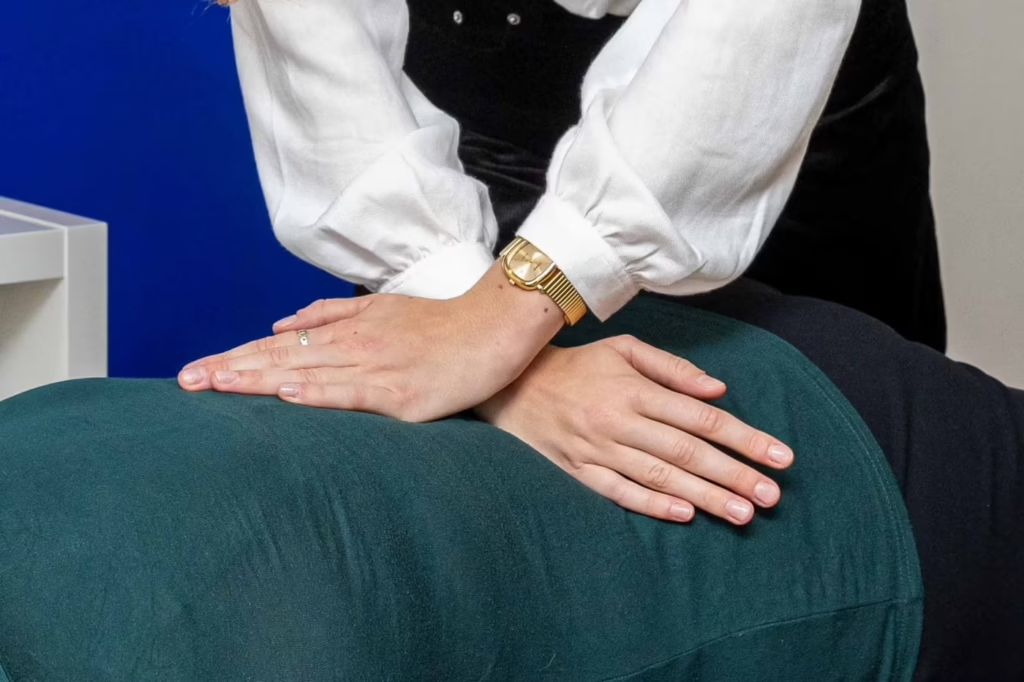
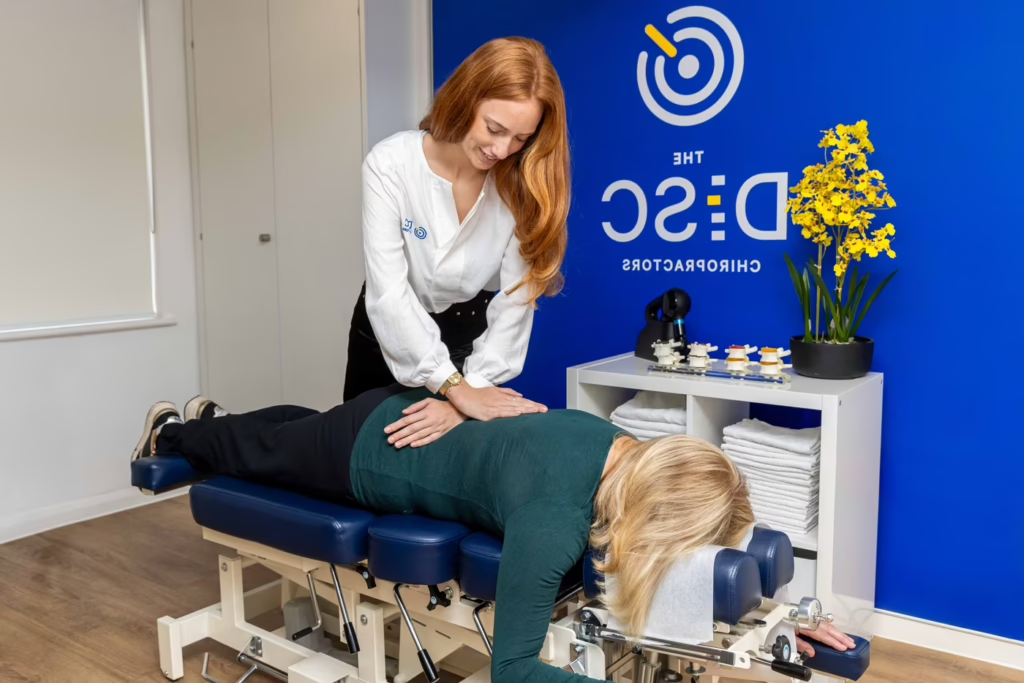
Chiropractic adjustments, also called spinal manipulations, involve a controlled movement to help ‘move a stuck joint.’ This technique targets joints, usually in the spine, to enhance their natural range of motion. By making these adjustments, we aim to restore your body’s normal function. With millions of such adjustments performed daily, when you’re in the hands of a licensed local Surbiton chiropractor, you’re in very safe territory. [20][103]
According to the National Centre for Complementary and Integrative Health, serious side effects are rare. [3][64] In fact, when we speak of adverse events, it’s important to differentiate between typical post-treatment discomfort and true complications. Most people experience mild effects, such as temporary soreness, which is comparable to what you might feel after a new gym workout. These normal responses are generally short-lived and resolve without intervention. True adverse events, on the other hand, remain exceedingly uncommon.
If you do experience discomfort after your chiropractic session, it is advisable to rest and apply ice to the affected area. Staying hydrated and avoiding strenuous activities for a day or two can also help in recovery. Should you have any concerns or prolonged symptoms, don’t hesitate to contact your local Surbiton chiropractor for further guidance. These reactions typically resolve within a day or two and are simply part of the body’s natural inflammatory response to changes in range of motion and to scar tissue mobilisation. [3][13]
What Does the Evidence Say?
Research consistently suggests that chiropractic care has a robust safety profile when delivered by appropriately trained professionals and when compared with analogous professions [3][100]. A 2007 study published in Spine found that serious adverse events occur in fewer than 1 in 1,000,000 chiropractic patient visits.
More recent systematic reviews corroborate these findings, reaffirming that the likelihood of experiencing a significant complication is extremely low, especially when compared to common medical procedures. [63][64] Acknowledging the consistency of this data over time helps reassure that the safety evidence is robust and up to date.
This figure is particularly significant given how many people seek chiropractic care for conditions such as back pain, neck tension, sciatica, and mobility issues. The treatment is widely used, yet major incidents remain extraordinarily rare. [13]
Chiropractic vs Medical Risk: How Do They Compare?
Let’s put things into perspective by comparing chiropractic care to more conventional treatments:
- NSAIDs (like ibuprofen and naproxen), often used for pain relief, are associated with a risk of gastrointestinal bleeding or ulcers in up to 2% of users [1,78]
- Standard surgery, depending on the procedure, carries complication rates of 2% to 5%, including infections or nerve damage. [79][120]
- Failed back surgery syndrome (FBSS) is a condition that occurs in an estimated 10% to 40% of patients who undergo a laminectomy to release nerve pain [120]. Whilst not technically always considered a serious side effect, FBBS cases continue to experience persistent or worsening pain after spinal surgery, often requiring additional interventions or long-term management strategies that can affect their quality of life.
Serious complications associated with chiropractic care appear to be substantially less common than complications associated with many invasive medical interventions. Consider this: chiropractic adjustments have a serious adverse event rate of less than 0.0001%. Based purely on these stats, chiropractic could be considered up to 20,000 times safer than some alternative solutions for serious back pain. [64][116]
Of course, context matters. There are situations where surgery is necessary, and medication is essential. It’s also crucial to recognise that not every condition is suitable for chiropractic care. Certain medical issues, such as severe osteoporosis, fractures, or infections, may contraindicate this form of treatment.
A comprehensive assessment by a qualified local Surbiton chiropractor is vital to determine the most appropriate and safe course of care. But if you’re weighing conservative care options, chiropractic should absolutely be considered one of the safest choices available.
Cervical Adjustments and Stroke: What You Really Need to Know
Have you ever hesitated to book a local Surbiton chiropractor after reading a headline about strokes? You’re not alone; it’s one of the most persistent and widely shared myths in healthcare. But what does the science actually say?
Understanding Vertebral Artery Dissection (VAD)
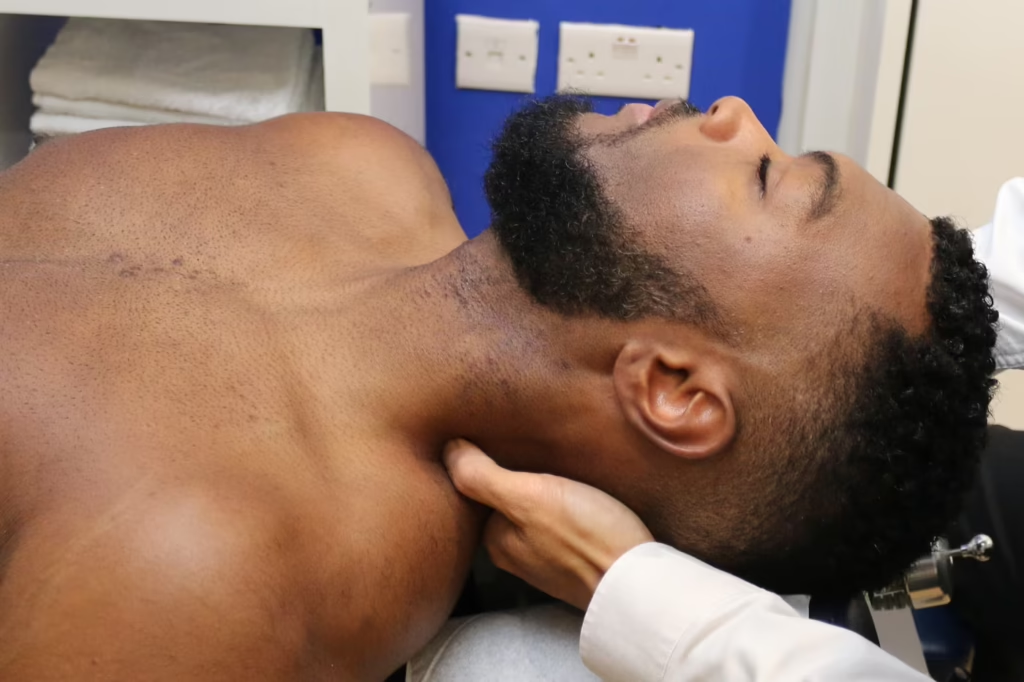
This concern arises from a rare condition called vertebral artery dissection (VAD), which can lead to a type of stroke. The fear is that neck adjustments could trigger such a dissection. [35][64]
However, research tells a different story. A major study published by a population-based case-control study involving 9.4 million person-years of data found that patients were just as likely to have visited a medical doctor as a chiropractor before experiencing a VAD-related stroke. The authors concluded that patients may already have been developing symptoms of arterial dissection before seeking care. [35]
So, while people presenting with early symptoms (like neck pain or headache) may go to a chiropractor or GP, there is no credible evidence that chiropractic adjustments increase the risk of stroke. In fact, such vascular events may be more likely during common daily activities, such as turning your head at the gym or reclining at a hair salon sink, both of which have been associated with vertebral artery dissection in case reports due to prolonged or awkward neck positions. [17]
In short, correlation does not equal causation. Just because two events happen around the same time does not mean one caused the other. In the case of vertebral artery dissection (VAD), early symptoms such as neck pain or headache may prompt someone to visit a healthcare provider.
However, that visit does not initiate the dissection; instead, the underlying issue led to both the symptoms and the visit. The timing is coincidental, not causal. This confusion between timing and causality is how persistent myths, like the one linking chiropractic care to stroke, gain traction despite evidence to the contrary.
An analogy I’ve always liked goes like this: on a hot summer’s day at the beach, two things tend to happen: ice cream sales go up, and so do lifeguard rescues. Just because they occur simultaneously doesn’t mean one is causing the other, despite potential fearmongering about eating before you swim. Correlation alone doesn’t prove causation, and this kind of confusion is precisely what fuels misconceptions around chiropractic and stroke risk.
More recent vascular research has also increasingly shifted attention toward the role of underlying patient susceptibility, rather than viewing vertebral artery dissection as a simple single-cause event. Emerging evidence suggests that factors such as migraine disorders, connective tissue vulnerability, genetic predisposition, vascular inflammation, and pre-existing arterial weakness may all contribute to an individual’s overall risk profile and should be something a good chiropractor screens for. [122]
Vertebral artery dissection has also been reported following normal everyday activities, including turning your head, for example, in the shower, gym exercises, yoga, and even prolonged neck positioning at hair salons, sometimes called “beauty parlour stroke syndrome.” [118] This highlights an important point: vertebral arteries experience mechanical stress in daily life and during healthcare interventions, which is why modern research focuses heavily on distinguishing correlation from causation in chiropractic stroke claims.
Anatomically improbable.
A useful point often missing from discussions around cervical manipulation and stroke risk is the actual biomechanical force involved. Research examining vertebral artery strain during cervical spinal manipulation has shown that the stretch placed on the artery during a chiropractic adjustment is significantly below the threshold associated with arterial damage.
In some biomechanical studies, normal everyday neck movements and end-range rotation were found to place similar or even greater strain on the vertebral artery than a properly delivered cervical adjustment. [35, 65] While this does not mean cervical manipulation is entirely risk-free, it does help explain why current evidence has not established a clear causal relationship between appropriately performed chiropractic adjustments and vertebral artery dissection.
As previously stated, chiropractic is one of the safest healthcare professions in the world. In fact, one international safety review by long-time chiropractic sceptic and critic, Prof. Ernst, found that between 1934 and 2010 only 26 fatalities worldwide were reported in connection (not causation) with chiropractic care, and, even then, most of these incidents were poorly reported, lacked medical clarity, or involved unqualified individuals claiming to be chiropractors. [64][117]
While I respect our hardworking NHS, medical error is a recognised issue worldwide and a leading cause of death in the West. Patient safety incidents significantly contribute to global disease burden, with notable variance across countries. The “Global State of Patient Safety 2023″ by Imperial College London reports the UK could have avoided 17,356 deaths annually if it matched the safety of top OECD (developed world) performers. [116]
While it’s important to acknowledge that scale and volume play a role in this comparison, it’s still a startling admission that puts the relative safety of chiropractic in a very positive, sharp perspective

Is there a risk of fractures when seeing a chiropractor?
Another topic that sometimes comes up in chiropractic safety discussions is rib fractures, particularly in older adults or those with known bone density issues. It’s important to emphasise that a healthy, structurally sound rib is highly unlikely to fracture under routine chiropractic care.
Other bones, like those in the spine, are certainly not at risk of fractures when healthy. In nearly all reported cases, rib injuries are associated with predisposing factors such as osteoporosis, previous trauma, or undiagnosed pathology. [63]
To proactively prevent fractures, we conduct a thorough screening process for older adults. This involves specific questions about any history of bone fractures, known osteoporosis, and past traumas. Through these assessments, we aim to tailor our chiropractic techniques to ensure maximum safety.
The thoracic spine, located in the middle and upper back, is where the ribs connect, and occasionally, a sudden but controlled adjustment in this region can place stress on a weakened rib.
In most instances where rib injuries occur, there are existing risk factors such as osteoporosis, a history of trauma or previous fracture, or undiagnosed bone thinning. [72] Additionally, many patients are unaware of or forget past rib injuries, which can increase susceptibility and may not be flagged during initial assessment unless specifically discussed.
Although unpleasant, most rib injuries in these situations are generally self-limiting and resolve with conservative management without causing long-term complications. They are painful but temporary; in most cases, full recovery occurs with rest and conservative care. This makes them an unfortunate but still acceptable risk within the broader context of achieving therapeutic benefit, especially when weighed against the alternative of untreated musculoskeletal dysfunction.
At The DISC Chiropractor in Surbiton, we take this risk seriously. If you are over 60, postmenopausal, or have a known history of bone thinning, we modify our techniques accordingly. We may use gentler, low-force tools, instrument-assisted adjustments, or postpone thoracic manipulation until imaging confirms it is safe to proceed. For those concerned about bone weakness or diagnosed with osteoporosis, we also offer non-manipulative treatments, including soft-tissue therapy, rehabilitation exercises, and other conservative care options tailored to your comfort and safety.
As always, a thorough health history and proper assessment are the best ways to avoid preventable issues. The rare occurrence of rib fractures in chiropractic settings does not indicate poor practice; rather, it reinforces the importance of personalised care and clear communication.
Can Chiropractic Make Your Back Pain Worse? (Disc Injuries Relevance)
Let’s be transparent: chiropractic care can aggravate a condition in the short term if it’s delivered improperly or at the wrong time. But so can taking the wrong medication, lifting a washing basket with poor form, or even sneezing awkwardly during an acute flare-up. Temporary irritation does not automatically mean damage has occurred, particularly in already sensitive spinal or nerve-related conditions. [13, 55]
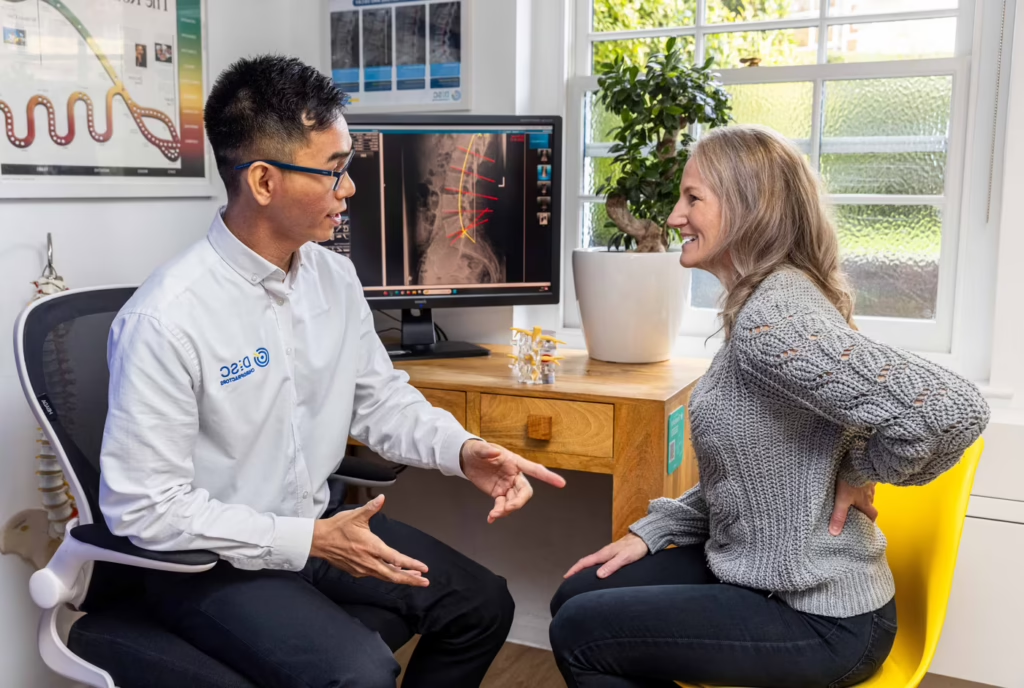
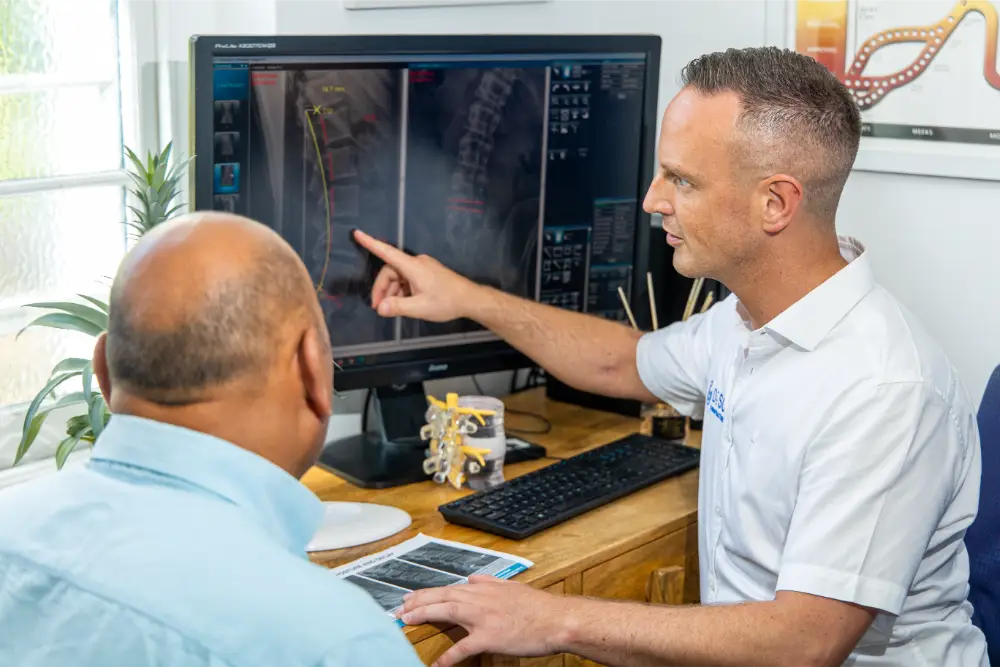
The quality of assessment and clinical judgment is often what separates safe care from risky care. At The DISC Chiropractor in Surbiton, for example, we always begin with a structured two-step evaluation process. This includes a comprehensive consultation and, where clinically appropriate, imaging such as X-rays or MRI scans before beginning hands-on care. [20, 24]
For new patients, the first appointment includes a detailed medical history, a discussion of current symptoms, neurological screening, orthopaedic testing, and an assessment of posture and movement patterns. Once all the relevant information is gathered, findings are reviewed carefully before any treatment decisions are made. The goal is not simply to “adjust the spine,” but to determine whether chiropractic care is appropriate, what type of care is safest, and whether modifications or referrals may be necessary. [20, 26]
We especially tread carefully with disc injuries, trapped nerves, severe inflammation, or longstanding chronic symptoms. These conditions often require a more conservative, staged approach rather than aggressive early treatment. In many complex cases, the most appropriate starting point may involve education, activity modification, decompression-based therapy, gentle mobility work, or rehabilitation before any stronger manual techniques are considered. [1, 20, 79]
Too often, we see or hear about patients who were treated too enthusiastically elsewhere without a proper diagnosis or adequate respect for the sensitivity of disc-related conditions. I would hazard a guess that in the majority of these cases, an underlying disc injury may have been overlooked, underestimated, or managed with techniques that were poorly matched to the stage of healing or level of irritation present.
Importantly, there is currently no strong evidence that appropriately delivered chiropractic care causes disc herniation in previously healthy discs. [62, 64, 73, 74] However, disc injuries are notoriously difficult to diagnose accurately and are very easy to overtreat, particularly by clinicians without significant experience managing these presentations. This is one reason persistent or severe back pain cases should never be approached casually.
Modern research increasingly suggests that disc-related pain may be more common than previously recognised in clinically presenting low back pain populations. [79, 89] This matters because disc injuries do not always present dramatically. Some patients may have little more than stiffness, gluteal pain, intermittent nerve symptoms, or recurring “muscle spasm” episodes that mask a deeper underlying problem.
Underestimating what is in front of the clinician may be one of the profession’s greatest ongoing challenges and likely contributes to the persistent myth that chiropractic adjustments themselves “cause” disc injuries.
The reality is usually more nuanced. A poorly assessed or already irritated disc can sometimes flare temporarily if the wrong treatment is applied at the wrong stage. That is not unique to chiropractic; it is true across healthcare. The key difference lies in careful assessment, appropriate case selection, conservative decision-making, and adapting treatment to the individual patient rather than forcing every case into the same treatment model. [20, 89]
Studies have shown that approximately 40% of clinically presenting back pain may be disc-related, which is far more than previously expected. [78] One study, before the technique was understood to be damaging, found that positive discograms were recorded in 74% of patients with Chronic low back pain. [121] So, underestimating the severity of what is in front of a clinician could be our profession’s most significant obstacle and the source of much of the myth that adjustments can cause herniation of a previously healthy disc.
Modern conservative management approaches for disc injuries increasingly incorporate advanced technologies such as decompression-based therapies and structured rehabilitation strategies, such as those available at The DISC Chiropractors in Surbiton. [68,69] It’s also important to remember that starting chiropractic care does not mean the option for surgery is denied. Some patients with lumbar disc herniation respond favourably to conservative manual care approaches before surgery, but unfortunately, it becomes necessary. [74]
Is Chiropractic Safe During Pregnancy?
Many expectant mothers suffer from lower back pain, pelvic discomfort, or postural changes as their pregnancy progresses. When provided by a practitioner trained in prenatal techniques, chiropractic care can be a safe and effective way to manage these symptoms. [57] We aren’t specialists in perinatal care at The DISC Chiropractor in Surbiton, but we have multiple gentle adjustment techniques that perfectly accommodate growing bellies and changing joint dynamics.
Prenatal chiropractic care focuses on relieving pressure from the spine and pelvis, improving alignment, and promoting overall comfort. There is also evidence that maintaining pelvic balance may positively influence labour outcomes. All care plans are tailored to the trimester and your individual health needs.
Many good chiropractors prefer not to start a treatment program within the first trimester. This is a cautionary measure, much like newly pregnant mothers are advised not to start jogging within their first trimester. Care plans should always be adapted appropriately to the stage of pregnancy and the patient’s medical history. [57]
Like any condition, if you are concerned your case is complicated, then we advise seeking a specialist in the area, in this case, a prenatal chiropractor or osteopath.
Is Chiropractic Safe for Children?
Parents often ask whether chiropractic care is appropriate for babies, toddlers, or older children, and the answer is yes, when performed by a good chiropractor trained in paediatric techniques. Chiropractic care for children is significantly gentler than for adults. The adjustments involve light pressure and often no audible “crack,” making them safe and well-tolerated.
Infants may benefit from chiropractic care for a variety of concerns, including colic, feeding difficulties, poor sleep, and postural issues; likewise, children may benefit from chiropractic care for musculoskeletal discomfort from falls or growth spurts. [58]
At The DISC Chiropractor in Surbiton, we regularly see the children of our existing patients for tune-ups and happily treat adolescent children. However, like all good chiropractors, we recognise our limitations and suggest specialist paediatric chiropractors or osteopaths treat infants.
As with all age groups, safety begins with a thorough assessment and open dialogue with parents. If we ever believe chiropractic isn’t suitable or should be delayed, we’ll let you know and help guide you to the right alternative. [12][20]
How Do Our Surbiton Chiropractors Minimise Risk?
The best chiropractors follow several key safety principles to ensure you get the right care, at the right time, in the right way. [1] Checking a local Surbiton chiropractor’s qualification is an essential first step in making an informed choice about your care. [12][14] Look for practitioners who are registered with recognised professional bodies and have valid licenses to practice.
The best chiropractors follow several key safety principles to ensure you get the right care, at the right time, in the right way. [1] Checking a local Surbiton chiropractor’s qualification is an essential first step in making an informed choice about your care. [12][14] Look for practitioners who are registered with recognised professional bodies and have valid licenses to practice.
Verifying your local Surbiton chiropractor’s credentials can involve checking registration details through professional websites or confirming membership in reputable chiropractic associations. This empowers patients to make informed, safe choices about their healthcare providers.:
- Thorough Assessments: Every case starts with a full history & physical examination.
- Diagnostic imaging: having the relevant X-ray or MRI studies when appropriate, particularly in cases involving significant muscle spasm or radicular pain such as sciatica.
- Evidence-Based Decision Making: The best Chiropractors use established guidelines and clinical judgment to determine whether adjustments are safe and suitable. [20][26]
- Conservative First-Line Care: For complex conditions, initial care may involve gentle techniques, anti-inflammatory technology (e.g., laser), or soft-tissue therapy before progressing to spinal manipulation.
- Advanced Therapies: Having specific disc injury technology (spinal decompression therapy) is key to how advanced clinics safely handle irritable disc conditions. [78][79]
- Ongoing Monitoring: Treatment plans are continuously reviewed and adapted based on your body’s response.
This tailored approach greatly reduces the likelihood of complications and increases the chances of successful outcomes.
Working Together with Medical Professionals
The best Chiropractors today are increasingly integrated into the broader healthcare system, and this shift is particularly important for managing complex musculoskeletal conditions. [20][26] At The DISC Chiropractor in Surbiton, we regularly collaborate with GPs, radiologists, orthopaedic consultants, and other healthcare providers to ensure our patients receive well-rounded, safe care. This might include:
- Referring for blood tests, MRI scans, or X-rays to rule out red flags or confirm diagnoses
- Liaising with GPs about appropriate short-term pain relief, when needed, as part of a conservative care plan
- Coordinating rehabilitation strategies with physiotherapists or surgeons post-operatively or during recovery from serious injury
- Sharing reports and clinical findings with other providers to create a clear, unified care plan
This integrated model promotes open communication and shared responsibility for patient outcomes. It also ensures that no matter how complex your condition is, your chiropractic care is not isolated but fully aligned with your broader health journey. We believe this is how healthcare should work, patient-centred, evidence-led, and collaborative from start to finish.
So, Should You Be Worried?
If you’re considering chiropractic care, it’s absolutely valid to ask questions and do your research. But the overwhelming consensus from clinical studies and professional bodies is that chiropractic adjustments are safe and effective when delivered by a qualified practitioner. [3][20]
Credible, peer-reviewed research has thoroughly debunked the stroke myth. Common side effects are minor, and major risks are incredibly rare. Compared to the risks associated with other interventions, chiropractic care offers an impressively low-risk pathway to relief, recovery, and better mobility.
So, if you’re struggling with back pain, stiffness, or nerve irritation, don’t let fear hold you back. Find a local Surbiton chiropractor who listens carefully, performs thorough evaluations, and is happy to explain the “why” behind your care plan.
Safe, conservative care is not just possible, it’s the standard in modern chiropractic practice.