
Can You See a Chiropractor on the NHS?

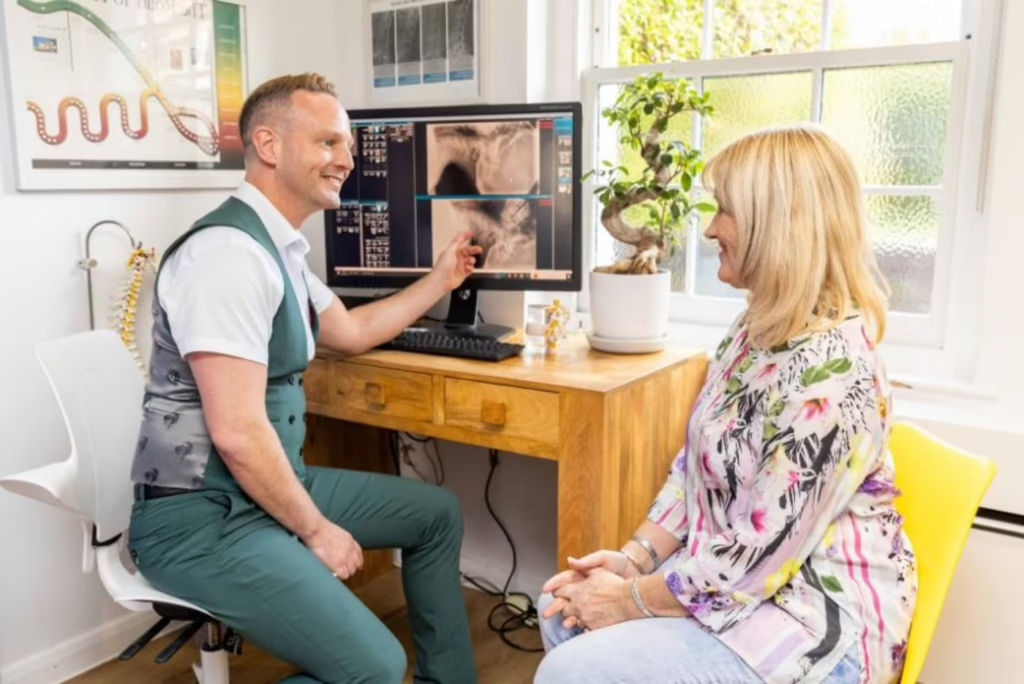
Find out if chiropractic care is available on the NHS in Surbiton, what the barriers are, and why most patients choose private care.
Imagine a busy working professional living in Surbiton, let’s call her Jane, who spends hours at her desk each day and begins experiencing persistent back pain. Desperate for relief, she navigates the complex NHS pathways, hoping to find effective treatment quickly. While chiropractic care is officially recognised in the UK and regulated by the General Chiropractic Council (GCC), [12][14] Jane soon learns that access to chiropractic treatment through the NHS is very limited and often unavailable. Like many others, she must weigh her options between seeking private care and enduring long NHS waits. [41][104]
However, it is important to note that solutions are available, and effective help exists outside the NHS system. With the right guidance and proactive steps, Jane can find the care she needs to alleviate her discomfort and improve her quality of life.
In theory, receiving chiropractic care on the NHS is possible, but it’s beyond rare in practice. NHS-funded chiropractic treatment is not routinely offered nationwide and is subject to regional commissioning decisions by individual Integrated Care Boards (ICBs, formerly CCGs). [41] Whether or not you can access an NHS chiropractor depends on where you live, how your local trust allocates its musculoskeletal (MSK) care budget, and the willingness of local chiropractors to jump through the myriad hoops put in place by the NHS. To our knowledge, there are no Surbiton chiropractors with such a contract, nor any in the surrounding counties.
In most cases, the NHS pathway for back or neck pain involves: [1][88]
- GP assessment.
- Prescription medication.
- Referral to physiotherapy.
- Possibly a pain clinic or surgical consultation (in advanced cases).
Chiropractic care is often excluded from NHS MSK contracts because: [1][41][88]
- Not historically part of the Medical Model.
- There is limited availability of local chiropractors willing to be employed directly by the NHS.
- Physiotherapy is the default medical setting and is considered “first line” therapy in most trust pathways.
Because of this, most people in the UK get chiropractic treatment privately. [54][62]
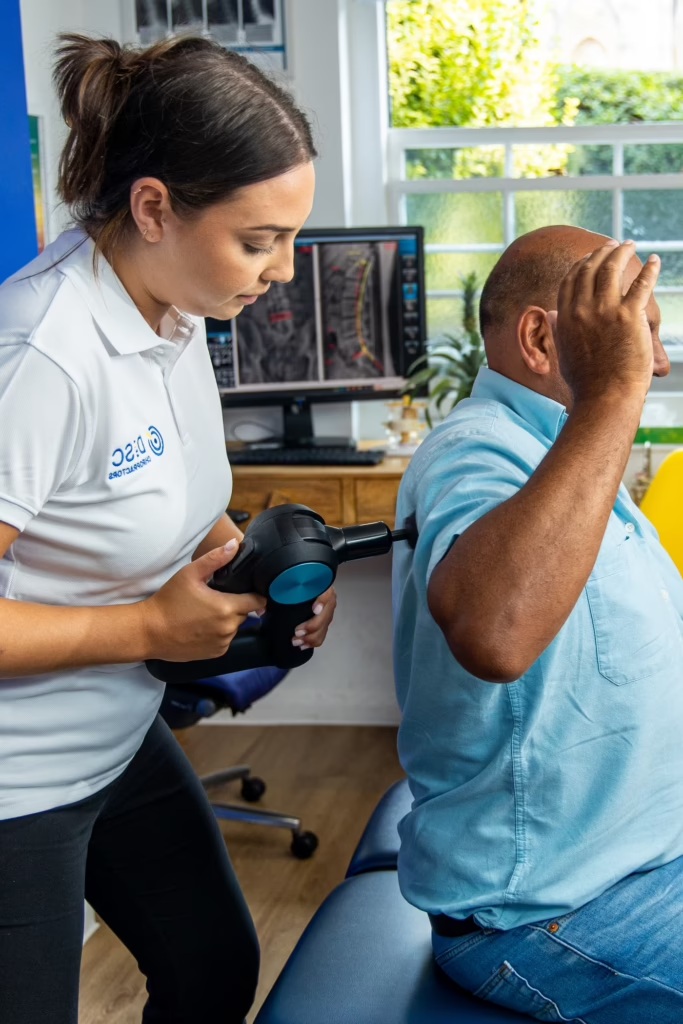
What Are the Barriers to NHS Chiropractic Care?
There are several reasons why chiropractic care is not widely available through the NHS, and most of them stem from funding, tradition, and institutional inertia. [41] According to an NHS GIRFT evaluation, musculoskeletal services in some regions were experiencing waits exceeding 18 weeks before pathway optimisation programmes were introduced, which improved access and reduced backlogs by an average of 20%.
Factoring in that this is with over 60,000 physiotherapists in the UK, even incorporating the UK’s 3200-strong chiropractic workforce would likely have only a modest impact on overall NHS MSK demand. This highlights the funding barriers that limit access to chiropractic care, as their already limited resources are generally directed toward existing physiotherapy-led NHS MSK pathways. [88][104]
Commissioning Priorities
Integrated Care Boards (ICBs) decide which services are available in each area. Physiotherapy has been part of NHS hospitals and GP practices for a long time, so Physiotherapy has historically formed the foundation of NHS musculoskeletal services and therefore remains the dominant conservative care pathway. Because of this, funding for chiropractic services is rare unless included in a special pilot or local contract. [41]
Lack of Awareness or Acceptance
Even though all local chiropractors are fully regulated, they are not part of the NHS system. [12] Some healthcare leaders still do not fully understand what good chiropractors do or their role in musculoskeletal care. [62]
Workforce Availability
Very few local chiropractors work directly for the NHS, mainly because the public system is complex and limited. NHS jobs often mean less clinical freedom, more paperwork, and lower pay than private practice. So, all good chiropractors stay independent, similar to many physiotherapists who focus on musculoskeletal care. [54]
Systemic Bias Toward Physiotherapy
Since physiotherapy has been part of NHS care for many years, it is often seen as the main manual therapy. This preference makes it harder to include chiropractic services, even when patients want them or the results are good. [41]
Bureaucracy and Referral Hurdles
Even if a GP wants to refer someone to a local Surbiton chiropractor, they often encounter additional administrative or commissioning barriers. First, a form must be completed to initiate the referral process. Then, the request must pass through a committee sign-off process that evaluates the necessity and feasibility of incorporating chiropractic care into existing NHS pathways. [41]
Without local agreements or substantial justification, GPs are generally expected to work within established NHS referral pathways that exclude chiropractic options altogether. This bureaucratic journey can be frustrating and time-consuming, hindering timely access to chiropractic care. [88]
In summary, the problem is not about whether chiropractic works. The NHS just doesn’t develop and change quickly enough to include it meaningfully. Right now, most people who want chiropractic care need to look at private options, unless they live in a rare area where the NHS funds it. As of now, we are not aware of any chiropractors in Surbiton with an active NHS contract.
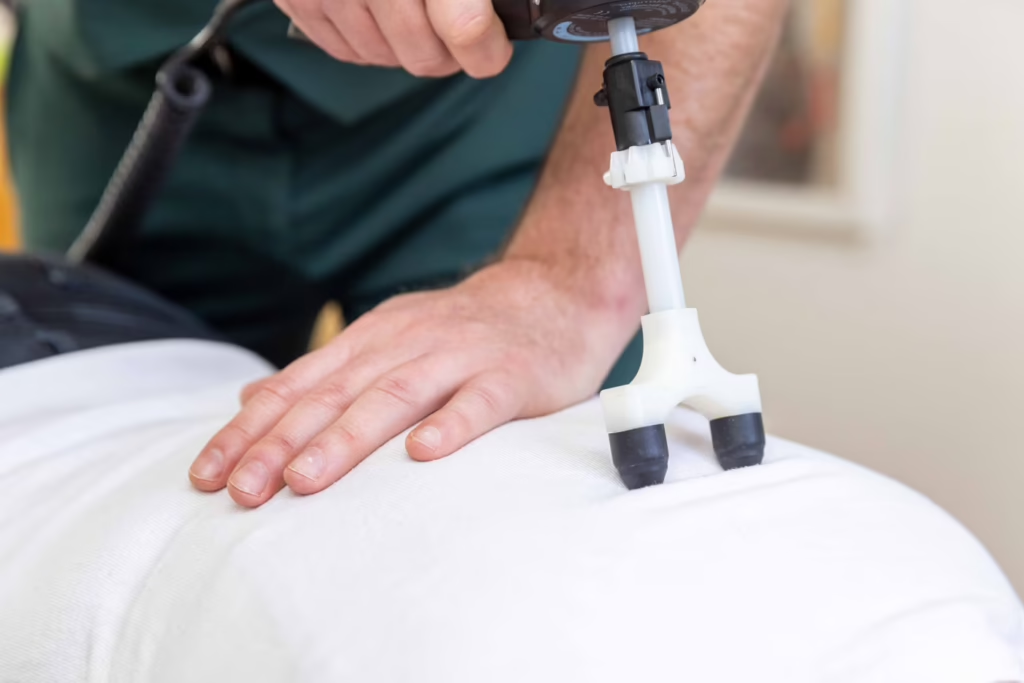
Can Your GP Provide a Referral to a Local Surbiton Chiropractor?
Yes, your GP can refer you to a registered chiropractor in Surbiton, but this usually does not mean the NHS will fund it. [12][41] Most referrals for back or musculoskeletal pain still go to physiotherapy, which is part of the NHS system. [88] Most chiropractors operate outside NHS-funded musculoskeletal contracts, so a GP referral is almost always for private, self-funded care. [54]
Once referred, you can book an appointment with a local Surbiton chiropractor of your choice, often directly through the clinic’s website or by phone. Many private clinics offer flexible appointment times to accommodate your schedule. Additionally, check with your insurance provider, as some plans may cover part or all of the costs of private chiropractic care. Understanding these options can help you make a more informed decision about your care path.
What Back Pain Treatments Does the NHS Offer Instead?
Although chiropractic care is not usually available on the NHS, there are other options available to patients through the public system. The NHS usually focuses on conservative care for back pain and uses services already within its system.
Manual care
NICE guidelines state that manual care should be the first-line treatment for back problems, and physiotherapy is the most common NHS treatment for musculoskeletal issues. [1][88] Patients can be referred by a GP or, in some cases, refer themselves through local MSK hubs, but there is usually a 6–12-week wait for an appointment unless the case is urgent. NHS physiotherapy places greater emphasis on exercise, education, and self-management approaches, and offers less hands-on treatment than private options. [88]
Pain Clinics
For ongoing or severe cases, patients may be referred to pain clinics staffed by pain specialists, psychologists, or physiotherapists trained in managing chronic pain. However, waiting times for these clinics can be long. [89][104]
Medication
GPs often start by prescribing anti-inflammatories and mild painkillers. Stronger medications like opioids are tightly controlled and avoided when possible. These drugs may help with symptoms, but do not fix the underlying problem and can cause side effects, especially if used for a long time.[1][88][39]
Imaging and Referrals
If symptoms suggest something serious or do not improve with basic care, GPs may refer patients for an MRI scan or to an orthopaedic specialist, usually after 12 weeks. [1] This process can be faster depending on symptom severity, duration, and the presence of clinical warning signs.
Surgery
Seeing a surgeon is usually the last option and only happens if other treatments have not worked. Most people with regular back pain do not qualify for surgery. [1][77]
The NHS offers several treatments, but its approach is often less personalised and can be slower than private care. This is important for issues such as disc injuries or nerve problems, where prompt treatment can help. [73][77] For many people, private chiropractic care is an alternative when NHS care is delayed or hard to access. However, it’s also crucial to acknowledge that not everyone can afford private treatment, despite potential delays in NHS care.
Recognising these financial realities can make the decision between public and private options more informed and empathetic. To address affordability, some private clinics may offer various payment options, including insurance coverage, payment plans, or flexible payment arrangements. This information can help you plan and make informed decisions.

Should You Wait for the NHS or Go Private?
Choosing between waiting for NHS care or going private depends on how urgent your symptoms are and how much you want to control your recovery timeline.
If your symptoms are mild and getting better, the NHS can still be a good choice, especially for advice and basic physiotherapy. [1][88] However, if your condition worsens and affects your work, sleep, or daily life, long NHS waiting times may not always be practical for patients with worsening or function-limiting symptoms. [104]
For instance, during a typical 12-week wait, with some areas reporting over 18 weeks, you might experience a significant decline in quality of life, such as being unable to work or function in your personal life. Such delays can result in tangible losses, making proactive decisions more likely. [24]
Private chiropractic care usually means you can get help faster and receive more personalised, hands-on treatment. [54] For people with disc injuries, nerve problems, or ongoing issues, this quick response can help them better manage their condition. [73][77]
You do not have to choose only one option. Some people use the NHS for scans, diagnosis, and advice while also starting private treatment. Imagine our patient, Jane, now needs a back scan. She visits her GP, who refers her for an NHS MRI. While waiting for the imaging appointment, she decides to begin private chiropractic sessions to manage her pain.
After receiving the MRI results, Jane coordinates with her local Surbiton chiropractor, who adjusts the treatment plan accordingly. It is beneficial in dual-care approaches for both NHS and private practitioners to share information and updates about the patient’s progress. [89]
Patients can facilitate this communication by providing consent to share their medical records and by encouraging direct communication between their GP and chiropractor. Such a dual approach can ensure ongoing care without unnecessary delays. The most important thing is to make an informed choice that puts your health, goals, and timeline first, not just the cost. [24]
If you are not sure whether chiropractic care is right for you, most private clinics, including us at Surbiton DISC Chiropractors, offer a free phone consultation to discuss your case and explain your options, with no obligation. Sometimes, just getting clear information is the first step to feeling better.
How Much Does Private Care Cost Compared to NHS Services?
NHS care is free when you use it, but it may involve longer waiting times and more standardised treatment pathways. [104] Private MSK care, within physiotherapy, osteopathy and chiropractic, is faster, more flexible, and tailored to you, but you have to pay for it.
Here’s a general comparison:
- Private Physiotherapy: £45–£120 per session. Often may be covered by some insurance or occupational health schemes.
- Private MRI Scan: £250–£500 depending on body area and provider. (Private MRI, Ultrasound & Blood Test Pricing, 2025)
- Private Orthopaedic Consultation: £200–£350 for initial consultation. (Private Orthopaedic Consultation Fees | One Orthopaedics, n.d.)
- Private Spinal Injections (e.g., cortisone): £800–£1,500 depending on type and imaging support. (Epidural injections, 2025)
- Private lumbar decompression surgery (e.g., microdiscectomy or laminectomy) may cost anywhere from £8,000 to £12,000 in the UK. (2024 Private Hospital Price List, 2024)
When considering cost, look beyond the price of a single session. Private care usually means you get help much faster than with the NHS, with more personalised treatment, fewer delays, and potentially reduces the likelihood of requiring more invasive interventions in some cases. [104][1][77]
Investing early in conservative treatments like chiropractic care could lead to shorter recovery times, less time off work, and potentially lower long-term healthcare costs than the costs associated with private surgery, injections, or chronic medication use. [1][24]
At The DISC Chiropractor in Surbiton, our flagship structured Disc Regeneration Programme (reserved for the most advanced cases) is priced at £2,200, a carefully capped fee that reflects the average combined cost of private orthopaedic consultations, imaging, and spinal injection treatments. This pricing structure is designed to provide patients with a comprehensive, structured care pathway without the unpredictability of multiple separate private consultations and procedures.
Conclusion
In conclusion, while chiropractic care is a regulated and potentially effective option for musculoskeletal issues, NHS access remains extremely limited due to funding, tradition, and systemic priorities that still favour physiotherapy. For most people, this means that private chiropractic treatment is the only realistic choice if timely, personalised care is needed. The decision between NHS and private care ultimately comes down to urgency, affordability, and personal needs. By understanding the barriers and options available, patients can make more informed, empowered choices about their health and recovery.
Remember, if you try chiropractic care and finally the NHS appointment comes through, most good chiropractors in Surbiton are happy to work alongside their NHS counterparts to supercharge a dual program of hands-on chiropractic alongside passive exercise building, if you still feel you need it.
To facilitate this collaboration, consider bringing any previous reports or treatment notes to your appointments. Encourage your practitioners to communicate directly with each other, which can be as simple as consenting to share your medical records. This shared information can help synchronise your care and ensure a more coordinated approach to your treatment.
Topic Specific References
- Private Orthopaedic Consultation Fees | One Orthopaedics. oneorth.co.uk/patients/payments-fees/. https://oneorth.co.uk/patients/payments-fees/
- Private MRI, Ultrasound & Blood Test Pricing. Vitalscan Milton Keynes. https://vitalscan.health/pricing/
- Epidural injections. Bupa UK. https://www.bupa.co.uk/health/payg/muscles-bones-joints/msk-physician-consultation/msk-injections/epidural-injections
- Private Hospital Price List. myTribe 2024 Private Surgery Research. https://www.mytribeinsurance.co.uk/knowledge/private-medical-treatment-costs