
What to Do After Your Chiropractic Adjustment
What to Do After Your Chiropractic Adjustment: How to Maximise the Benefits
At The DISC Chiropractors in Surbiton, your care doesn’t end when you leave the treatment room. Imagine leaving each visit stronger and more resilient than when you arrived. Hopefully, feeling looser, more relaxed, and rejuvenated within just 48 hours. What you do in the minutes, hours, and days following your adjustment can significantly impact how well and how quickly your body responds.
This post is your go-to guide to recovery success: the best steps to get the most from your adjustments, limit side effects, and support long-term healing. If you’re curious about what actions to avoid, check out our companion post: “What to Avoid After Your First Chiropractic Visit.”
First Rule: Movement Over Sitting
Immediately after your adjustment, resist the urge to sit.
Your spine and surrounding joints have just been mobilised; the last thing they need is to be moulded back into a slouched chair.
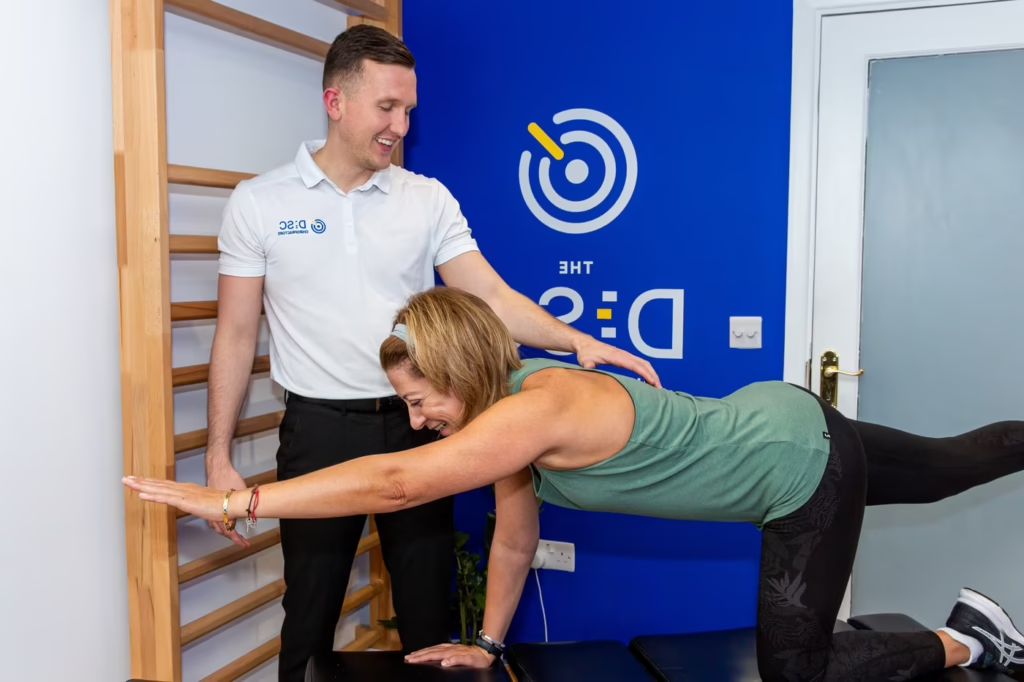
Stand tall and gently perform your exercises against the clinic walls. Remain upright and move gently for 5–10 minutes, picturing your spine settling into alignment. A walk around the block helps reinforce this. Use nearby areas, such as the park or shops, for gentle movement afterwards, regardless of the weather.
Hydrate soon after your adjustment: this helps flush out inflammatory by-products, reduces soreness, supports joint lubrication, and works with movement to maximise recovery. In short, movement and hydration help keep your body supple and responsive during healing.
Subtle, active motion helps “set” your adjustment in place. It also tells your brain, “This new pattern is safe, let’s keep it.”
Walk, Then Rest (Strategically)
Likewise, it’s a good idea to repeat this hydration and movement plan at the other end of your commute, from the clinic to home or work, again aiming to maintain as much fluidity as possible in the newly treated areas. Once you’ve introduced gentle motion, it’s perfectly normal to feel the need to rest. In fact, some patients report feeling sleepy or even emotionally drained after their session, which is especially common in those under long-term physical or mental stress.
This happens because chiropractic care can shift your nervous system from a heightened, sympathetic state (fight-or-flight) to a calmer, parasympathetic state (rest-and-repair). Research has shown that improvements in vagal tone and heart rate variability (HRV) are associated with such shifts, providing a measurable reflection of the body’s ability to adapt to stress. (Low vagal tone is associated with impaired post-stress recovery of cardiovascular, endocrine, and immune markers, 2006) A short nap, quiet time, or simply lying down for a while can help consolidate the neurological reset that often occurs post-treatment.
Rest doesn’t mean staying sedentary all day, but listening to your body in the hours after care is key. It’s asking you to slow down and apply the postural cues your clinician has advised, paired with slow, purposeful breathing to calm your system.
During your early recovery, this means being mindful of activities that may exacerbate your symptoms. Avoid activities that have been proven triggers, such as heavy lifting, sudden movements, and prolonged periods of sitting or standing.
Positional Preference for Disc Injuries
If your care plan involves a disc injury, your positioning throughout the day is crucial. Disc-related pain is heavily influenced by posture and movement direction, some positions can alleviate pressure on the disc, while others may increase sensitivity or aggravate symptoms. (How The Low Back Functions and How to Avoid Back Problems, 2025)
To aid in your self-management, consider using a simple decision-making flow based on your current symptoms:
- If experiencing increased pain or discomfort while sitting, try prone lying for short intervals.
- If prone lying is uncomfortable, consider supported reclining as an alternative to relieve pressure.
- During flare-ups, avoid forward flexion and opt for gentle extension movements when possible.
This is known as your positional preference, which is the direction or posture that reduces pain, improves range of motion, or restores function. For many disc patients, this may involve gentle extension movements or lying flat on their stomachs for short intervals. Others may benefit from supported reclining or avoiding forward flexion, especially early in care.
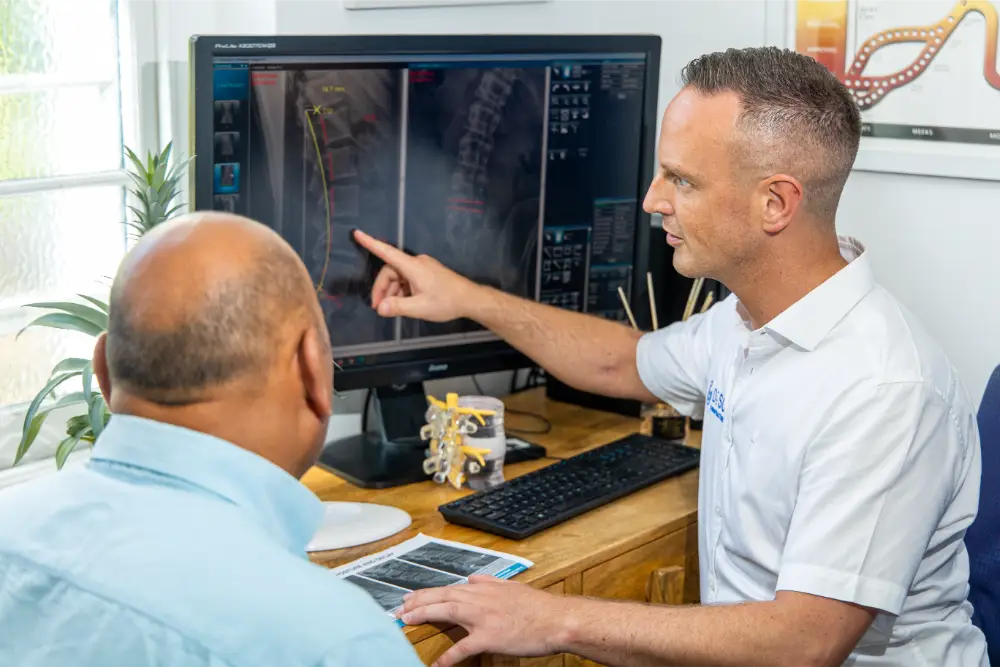
Your local Surbiton chiropractor will likely have assessed these preferences during your initial evaluation. Be sure to ask which positions you should use during rest, sleep, or recovery moments. Inappropriate positioning, such as prolonged slouching or repeated bending, can slow disc recovery and prolong inflammation. (How To Prevent Disc Protrusion Recurrence, n.d.) Use positional preference as a tool between sessions to reinforce spinal decompression, reduce irritation, and maximise progress.
What to Expect, And What’s Normal
It’s important to understand that some level of soreness, fatigue, or stiffness is completely normal after any form of physical therapy or adjustment, especially if you’re early in your care plan or haven’t had chiropractic care before. This temporary discomfort can be seen as adaptive feedback, signalling that your body is undergoing positive changes and adapting to new movement patterns. (Back Mechanic – Stuart McGill)
To support your body through this phase:
- For the first 24 hours following your adjustment, apply cold packs to sharp or inflamed areas to help reduce swelling and alleviate initial discomfort.
- After 24 hours, you can optionally use gentle heat to relax tight, chronic, or achy muscles and enhance comfort.
- Light stretching or walking can help flush out tension.
- Stay well hydrated to aid in inflammation resolution.
Over-the-counter pain relief can be used in moderation if needed, but let your chiropractor know, as it may mask feedback that helps guide your care plan. Generally, medications such as ibuprofen or acetaminophen are considered safe for short-term relief. (Chronic Pain Guideline, 2020) It is important to consult your doctor or healthcare professional if you are unsure about using any medication, especially if you experience adverse reactions or your symptoms persist.
(*extended blog on “What to expect”)
Respect Your Triggers
While there’s no need to avoid life, it’s smart to temporarily scale back on movements or behaviours that aggravate your spine in the early stages of care. Triggers vary from person to person, but common culprits include:
- Prolonged sitting, especially in poor posture.
- Heavy lifting, especially if twisting or bending is involved.
- High-intensity or impact exercises.
- Highly stressful environments without time to decompress.
To help identify and avoid your personal triggers, consider implementing a quick self-test before engaging in activities that may stress your spine. A simple one-minute “spine check” can reinforce your autonomy and safety. Before lifting, take a moment to breathe, brace, and hinge at the hips. This ritual helps you recognise potential triggers and engage in activities with greater awareness and control.
Be cautious of your triggers for a few days after treatment, as your body may move differently. Improved comfort can create a risk of overstretching or overreaching, so stay aware to protect sensitive tissues and help your adjustment hold.
The Role of Posture & Micro-Movements
Posture plays a crucial role in how well your adjustments hold and in your long-term spinal health. The goal isn’t to be rigid or obsessively upright, but to create small, frequent postural resets throughout the day.
Start with awareness. Use reminders to check in with your spine: Are you slouched? Are your shoulders creeping up? Is your head forward?
Instead, focus on finding a pelvic neutral position, a balanced posture where the hips are neither tucked nor flared. Gently engage the shoulder blades by drawing them in from the mid-back and soften any rib flare so your torso remains stacked and stable. From this position, practice slow, steady box breathing: inhale for 4 seconds, feeling your ribs expand outward like an umbrella opening; hold for 4 seconds; exhale for 4 seconds; and pause for 4 seconds before the next breath. This simple breathing pattern not only calms the nervous system but also reinforces proper postural engagement and encourages full diaphragmatic activation. It’s a powerful and accessible tool to enhance awareness, alignment, and relaxation in daily life.
From there, use micro-movements to reset tension and restore alignment:
- Neck rolls and shoulder shrugs in the shower.
- Seated pelvic tilts & thoracic twists whilst sitting at your computer (every 30 mins recommended).
- Standing pelvic tilts, even when doing things like brushing your teeth.
- Chin tucks while waiting for the kettle to boil.
These movement drills don’t replace exercise; they add movement “snacks” throughout the day that reinforce your care.
People: Motion Is Lotion, Rest is Rust!
The saying may be cheesy, but the science is sound. Joints need movement to stay healthy. Synovial fluid, the lubricant of your joints, is only produced and circulated with regular, gentle motion. (8 Ways Exercise Helps Your Joints, n.d.) To turn this motto into a practical habit, consider setting a 30-minute phone alarm to remind you to move. These tiny prompts can help embed the philosophy of ‘motion is lotion’ into your daily routine, promoting consistent, healthy habits…
That’s why we recommend:
- Short walks throughout your day
- Gentle stretching in the morning and evening
- Desk breaks should occur every 30 minutes, ideally, with a maximum of 60 minutes.
Fear-avoidance, avoiding movement due to pain or fear of worsening it, often leads to more stiffness, not less. Your local Surbiton chiropractor can help you navigate what’s safe, what’s not, and how to stay confident in your movement.
Don’t Ignore Life’s Other Stressors
Healing doesn’t happen in isolation. A good Chiropractic adjustment may unlock physical restrictions, but your nervous system also needs recovery-friendly inputs to benefit fully. Addressing psychosocial stressors is crucial for holistic recovery. A brief checklist can help you identify non-physical stressors that might be impacting your progress: Are you getting enough restorative sleep each night? Do you have a supportive social network that you can rely on? Is your workload manageable, or is it causing more stress than usual?
Hippocrates once wrote, “Before you heal someone, ask if they are willing to give up the things that make them sick.” This timeless insight applies just as much to modern spinal health as it did to ancient medicine. Healing is not only about receiving adjustments; it’s also about what you’re willing to change outside the clinic. Lifestyle habits, stress levels, poor sleep, consumption of inflammatory foods, and sedentary routines all impact your progress. Recovery often requires more than treatment; it requires participation.
Support your body by addressing the foundations:
- Get 7–9 hours of restorative sleep.
- Minimise ultra-processed, inflammatory foods.
- Breathe deeply, rest often, and manage emotional stress.
We also recommend our basic supplement stack to support repair, particularly in disc- and nerve-based cases. Our clinic sees these as the “Non-Negotiables” when optimising musculoskeletal health.
Vitamin D: Joint and bone health, plus inflammation control. (Post Injury Diet Guidelines, 2025)
Vitamin B12: Energy and nerve repair. (Vitamin B12 Enhances Nerve Repair and Improves Functional Recovery After Traumatic Brain Injury by Inhibiting ER Stress-Induced Neuron Injury, 2021)
Magnesium: Muscle relaxation and sleep support. (TriMag Night Supplement for Relaxation & Sleep Support, n.d.)
Omega-3s: Systemic anti-inflammatory effects. (Omega-3 fatty acids and inflammation, 2005)
These don’t replace good food; they enhance it. We offer a DISC Starter Pack in the clinic for individuals seeking to improve their results naturally.
However, before beginning any new supplements, we strongly suggest consulting with your GP or pharmacist, especially if you have pre-existing health conditions. This step not only ensures safety but also builds trust in your care journey.
Above All: Communicate With Us
The biggest post-care mistake? Suffering in silence.
If something doesn’t feel right or feels surprisingly intense, tell us. Most reactions are normal, but that doesn’t mean they should go unaddressed. However, there are certain symptoms you should be aware of that require immediate medical attention, such as severe pain, numbness, or loss of bladder control. If your soreness lasts longer than 48–72 hours, worsens with activity, or you’re simply unsure whether it’s a normal response, we want to know. We also encourage you to share your experiences with us, such as what surprised you after your last adjustment. Your insights not only help us refine your care plan but also contribute to a richer community dialogue that enhances our overall understanding.
Your feedback allows us to tailor care, adjust your technique, or recommend additional support. The more we know, the better we can help.
Final Thoughts
Your adjustment sets the stage, but your daily habits are what build lasting change.
Treatment with a good Surbiton Chiropractor works best when it’s supported by motion, hydration, rest, and the right mindset. If you treat your body well between sessions, you’ll not only feel better faster, but you’ll also hold your adjustments longer and get more from your investment in care. Imagine yourself hiking pain-free next season or participating in your favourite sports without hesitation.
These vivid possibilities can transform your commitment into reality. As a first step, consider what small action you can take today. Will it be an extra glass of water, a brief two-minute walk, or perhaps a moment of mindful breathing? You might also set a reminder on your phone to stretch or move every hour, prepare a healthy snack for your breaks, or arrange your workspace to encourage proper posture. Choosing one action to focus on builds momentum and reinforces your autonomy in the healing process.
Trust your plan, keep us informed, and, most importantly, keep moving forward.
Your spine will thank you.
References
(2006). Low vagal tone is associated with impaired post stress recovery of cardiovascular, endocrine, and immune markers. Psychosomatic Medicine 68. https://pubmed.ncbi.nlm.nih.gov/20052593/
(2025). How The Low Back Functions and How to Avoid Back Problems. chiro-trust.org. https://chiro-trust.org/advanced/low-back-functions-avoid-back-problems/
(n.d.). How To Prevent Disc Protrusion Recurrence. discprotrusion.com. https://discprotrusion.com/how-to-prevent-disc-protrusion-recurrence/
(2020). Chronic Pain Guideline. Reed Group, Ltd.. https://chiro.org/Conditions/FULL/Chronic-Pain-Guideline.pdf
(n.d.). 8 Ways Exercise Helps Your Joints. arthritis.org. https://www.arthritis.org/health-wellness/healthy-living/physical-activity/getting-started/8-ways-exercise-helps-joints
(2021). Vitamin B12 Enhances Nerve Repair and Improves Functional Recovery After Traumatic Brain Injury by Inhibiting ER Stress-Induced Neuron Injury. Frontiers in Pharmacology 12. https://pubmed.ncbi.nlm.nih.gov/31105562/
(n.d.). TriMag Night Supplement for Relaxation & Sleep Support. shop.resolvesleep.com/products/trimag-night. https://shop.resolvesleep.com/products/trimag-night
(2005). Omega-3 fatty acids and inflammation. PubMed Central 10. https://pubmed.ncbi.nlm.nih.gov/15485592/
(2025). Post Injury Diet Guidelines. www.chiropractic-clinic.com. https://www.chiropractic-clinic.com/wp-content/uploads/2024/07/BH_post-injury-diet-guidelines_July24.pdf