
Our Protocol
For over a decade, The DISC Chiropractors have been developing what we believe to be the UK’s most advanced (Non-Surgical) Disc Injury Protocol.
Whilst our clinic has been around since 2007, technological advances and a personal injury led to a change of direction in 2015. From the personal experience of a disc herniation and followed by years of clinical refinement, our protocol was created to address the uncertainty and gaps that often surround disc injuries, back pain, and sciatica. It formed the foundation of the UK’s first Disc Injury Centre of Excellence.
The DISC Protocol provides a clear, evidence-based roadmap that combines specialist disc-focused chiropractic care, advanced technology, and structured rehabilitation into one coherent system. It is robust enough for serious disc herniations and nerve compression, yet adaptable for milder disc issues, degenerative changes, and non-disc spinal conditions.
The result is a structured, transparent path to recovery. Patients know what to expect, why each phase matters, and how every step builds toward long-term confidence and resilience.
Why a Protocol?
Because complex disc problems are unlikely to respond well to isolated or overzealous treatments.
Many clinics offer manual or chiropractic care. What sets DISC apart is not just the technology available, but how it is used. Disc and nerve injuries recover best when care is delivered in the correct sequence, at the correct intensity, and adjusted as the body responds.
The DISC Protocol is built on assessment and precision. It is not about aggressive adjustments or repetitive treatments. It is about understanding what is limiting recovery, then applying the right tool at the right stage. This allows us to address common obstacles such as muscle spasm, instability, scar tissue, and nerve irritation, minimising aggravation of sensitive structures.
Some patients need the full protocol. Others improve with a smaller, focused combination of care. We specialise in the complex, severe, and atypical cases where generic or loosely individualised care breaks down.
By using our experience we’ve created clear treatment bandwidths, we can set expectations early and deliver more predictable outcomes, whether the aim is to calm nerve pain, restore movement, rebuild strength, or protect the spine long term.
Learn more about our chiropractic approach in our Chiropractic Care Guide.
Step-by-Step Protocol Overview
At DISC, our flagship Disc Regeneration Protocol is specifically designed for individuals with advanced disc injuries, and it remains the cornerstone of our day-to-day training and focus. That said, most patients who come to see us don’t require the full protocol—they present with milder variations of these conditions, and our approach flexes to meet them where they are.
The Protocol is laid out in three distinct phases, always beginning with a thorough assessment and then progressing step by step toward resilience and independence. Each stage is designed with clear, measurable goals, allowing you to progress from short-term relief through recovery and ultimately build long-term strength and confidence. Along the way, we track key progress markers to flag any patients whose progress is slowed or impeded by secondary issues such as poor posture, weak core stability, or hidden compensations—ensuring nothing gets overlooked on your path to recovery.
Where necessary, we introduce secondary protocols and apply specific technologies at carefully defined points in care. Each step is pre‑planned and clinically justified, based on quantifiable testing and clear rationale, ensuring every eventuality has an appropriate solution.
Assessment & Diagnosis
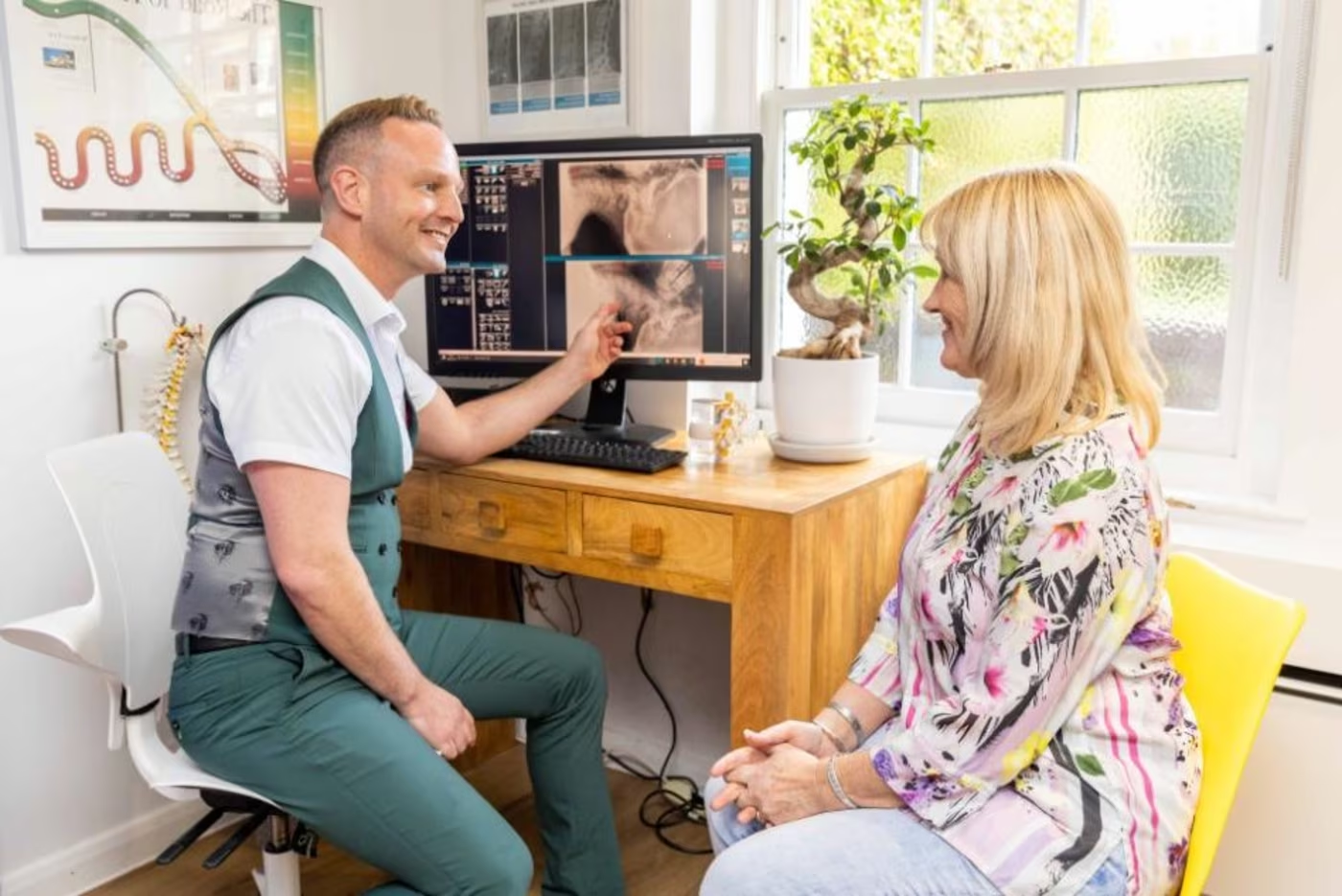
Your journey begins with a comprehensive consultation and examination. We combine neurological testing, postural analysis, orthopaedic exams, and digital X‑rays where appropriate, such as in cases involving nerve or disc pain. Any responsible chiropractor should start this way, as it ensures your care is both safe and effective. This thorough process enables us to identify not only what hurts, but also why it’s happening, targeting the root of the problem. With this insight, we design a tailored care plan, set realistic expectations, and explain each step before treatment begins. Understanding that, for simple cases, this would be regarded as “overkill”.
Phase 1: Calm & Decompress
Depending on the sensitivity or severity of pain, the initial focus varies, but in an ideal world, a disc injury will progress straight into our flagship protocol. For highly irritable cases, however, we may begin with some brief “firefighting” Class IV laser care to calm things down before proceeding.
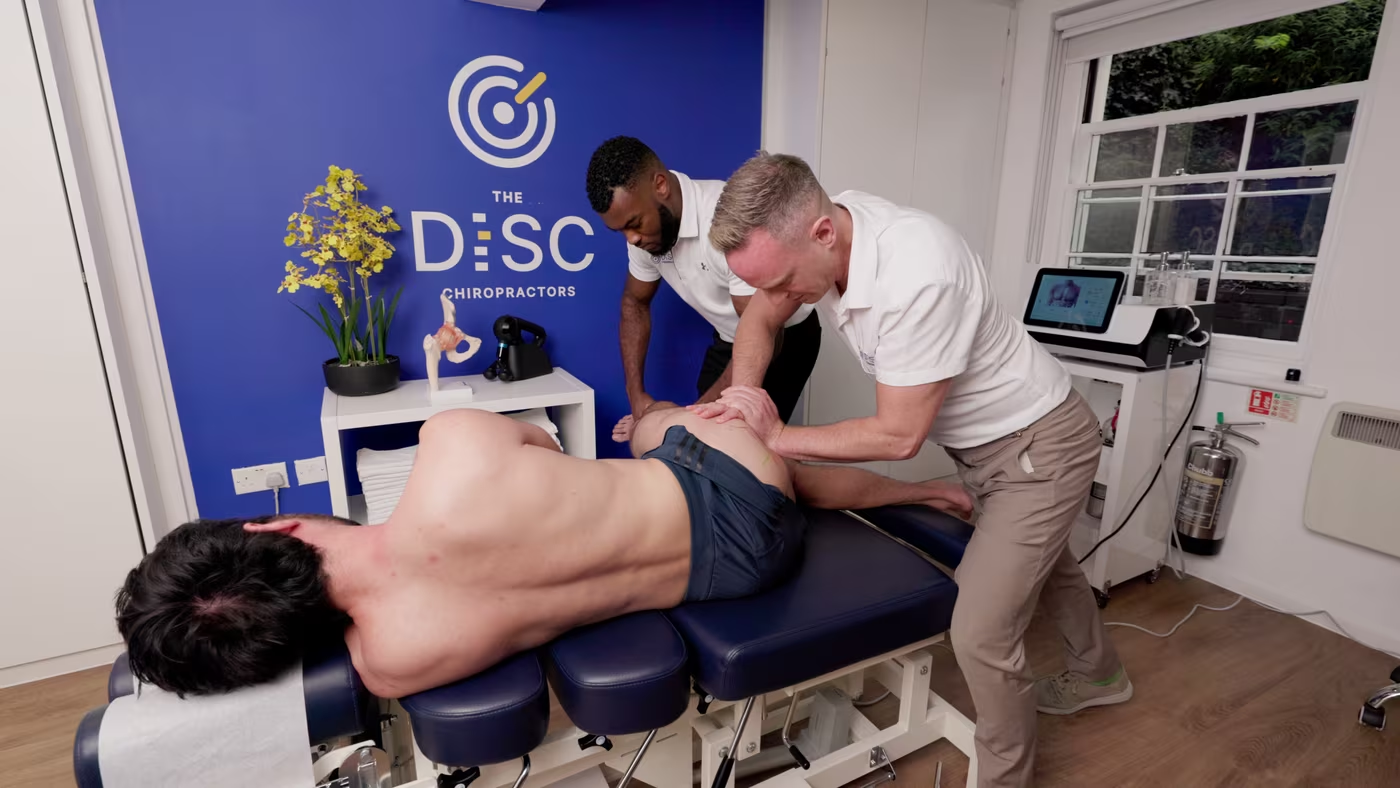
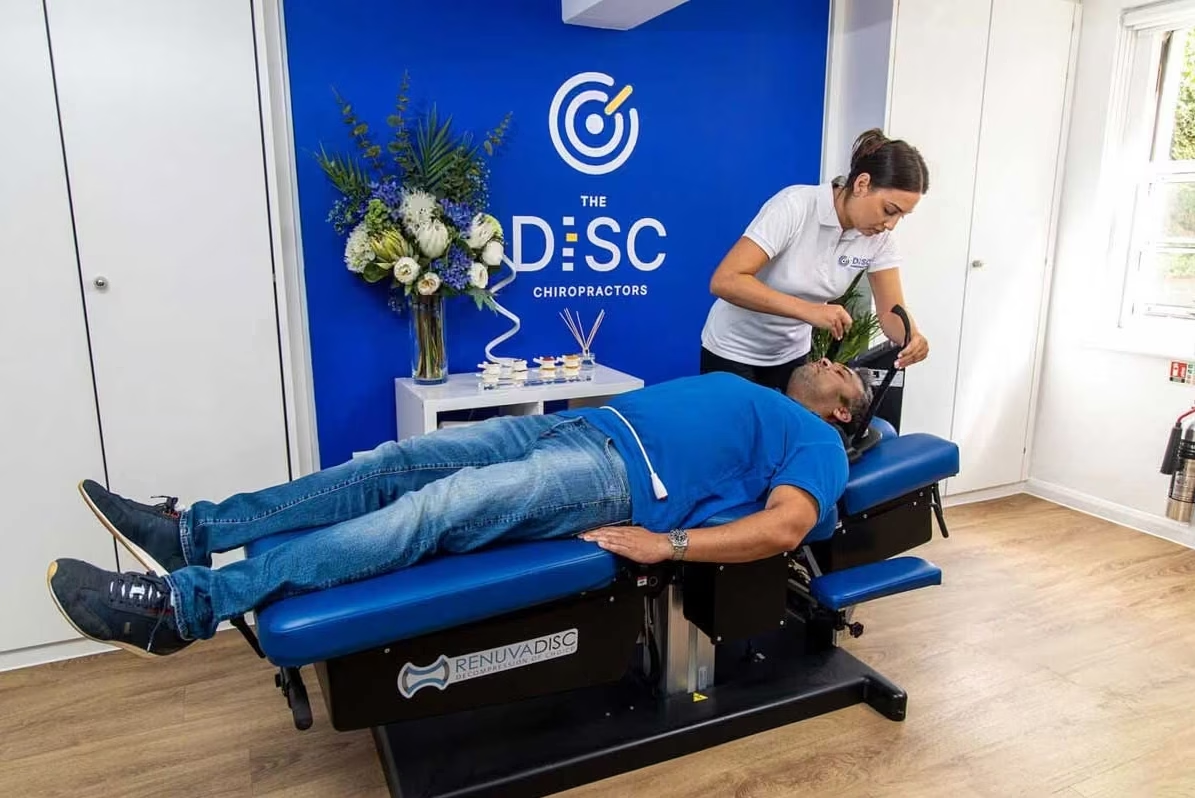
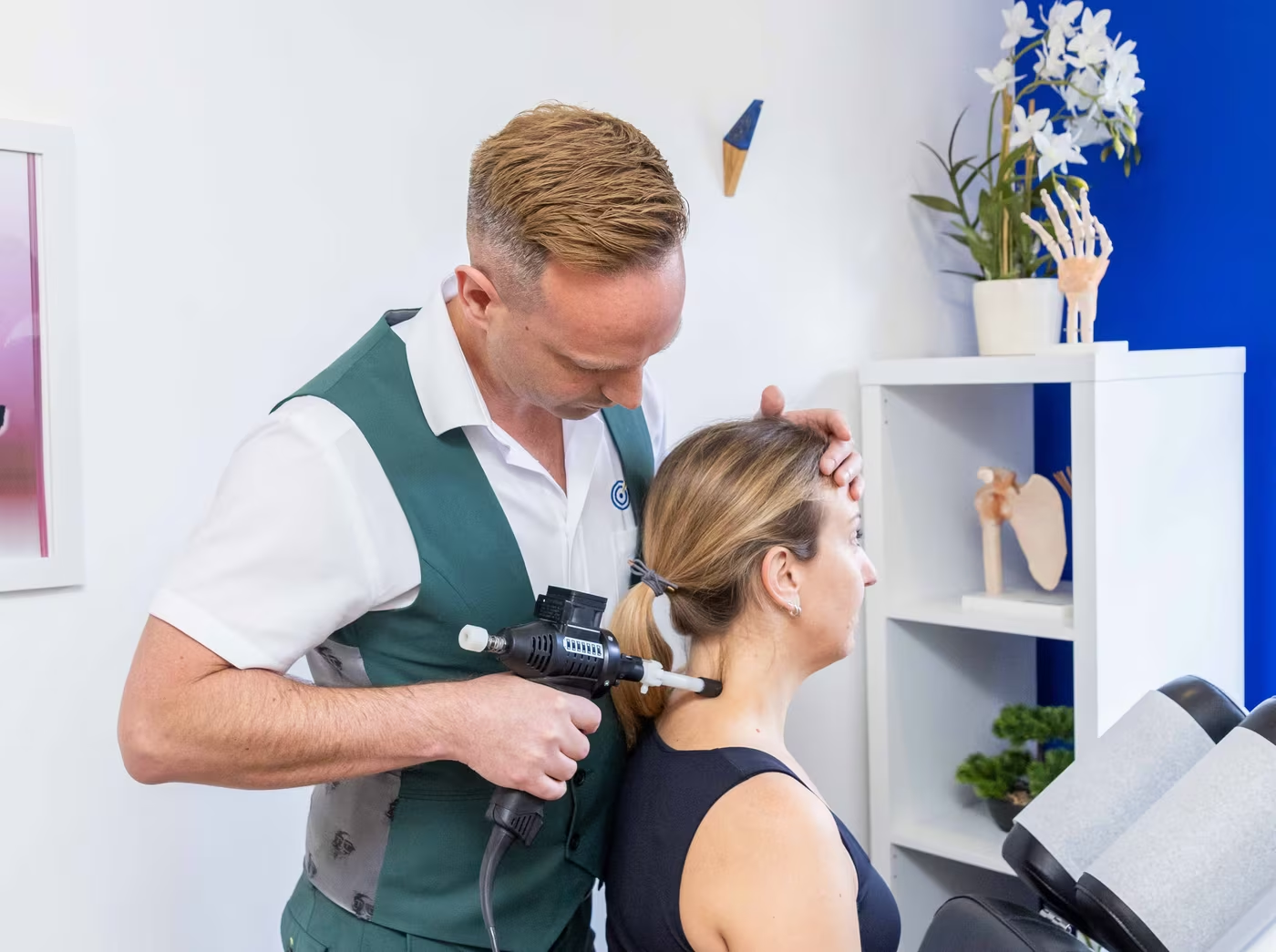
This initial phase focuses on quickly reducing pain, calming irritated nerves, and gently decompressing the spine. Spinal decompression therapy helps relieve pressure around compressed discs, while Class IV laser therapy reduces inflammation and supports tissue repair. Instrument-assisted chiropractic adjustments restore safe mobility without stressing sensitive or healing tissues, which are often the source of ongoing dysfunction. By addressing both cause and consequence together, this combined approach creates a stable foundation for progress and reduces the risk of early setbacks or relapse.
Phase 2: Restore Movement & Stability
With pain and inflammation under control, the focus now shifts to uncovering and correcting the secondary factors that often cause the problem in the first place.
This might include weak stabilisers, faulty posture, or movement habits that overload the spine. We use precise adjustments, targeted muscle activation, neuromuscular stimulation, and progressive rehab to retrain posture and re‑engage stabilising muscles.
At this stage, we may also introduce selected technologies where appropriate, each chosen for quantifiable reasons to address specific deficits without unnecessary duplication. The aim is to build balanced, resilient movement and function so that everyday tasks feel more stable and easier, while protecting healing discs from reinjury.
Phase 3: Rebuild & Future‑Proof
The final stage focuses on locking in resilience. The emphasis shifts from pain relief to rebuilding strength, stability, and adaptability.
Where needed, HIEMT therapy restores deep core control and postural endurance, while Shockwave Therapy and Adhesion Release Methods addresses stubborn scar tissue that can limit progress.
Personalised, progressive rehabilitation retrains your body to handle real-world demands such as lifting, twisting, or sport without hesitation.
As independence increases, visit frequency tapers to confirm progress holds outside the clinic. The goal is lasting freedom, not ongoing dependence, leaving you confident in managing your spine long term.
Groundbreaking success
The DISC Protocol today is unique because it combines chiropractic expertise, advanced technology, and a structured system in a way that no other UK clinic has yet attempted, let alone mastered.
Having these options and learning how to integrate them into a single, adaptable framework has taken a decade to research, design and understand. It’s this maturity and depth that make the DISC Protocol unique and exceptionally difficult to replicate.
We began as a traditional chiropractic clinic but quickly accelerated into the field of disc care out of necessity—our patients and staff needed more than adjustments alone. This drove us to understand discs at a deeper level, invest in specialist equipment, and refine what became the founding version of our protocol.
It wasn’t perfected overnight. Over the years, knowledge, experience, and the development of new technologies have led to breakthroughs that now complete the system, covering the complex layered pathways of injury and offering an effective and efficient road to recovery. This blend of expertise, structure, and technology is what makes the DISC Protocol stand apart.