
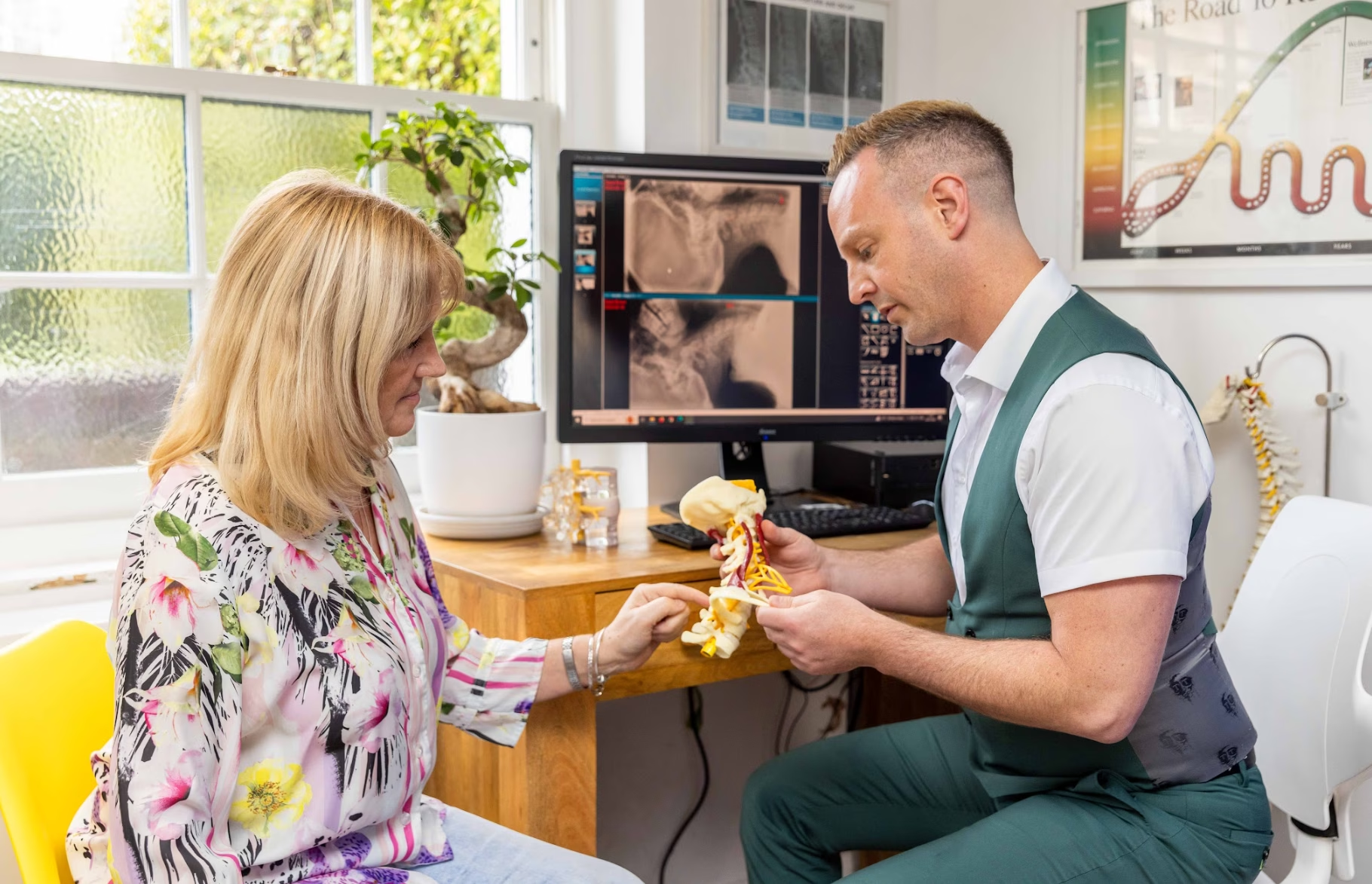
Chapter 1: How Does a Chiropractor Diagnose Back and Neck Pain in Surbiton?
What happens during my initial chiropractic assessment?
During your first chiropractic assessment, your local Surbiton chiropractor will take the time to understand your medical history, symptoms, and overall health. This comprehensive review helps build a clear picture of your current condition and potential underlying issues. It is entirely normal to feel nervous or have questions during this stage, and your chiropractor will be there to guide you through every step, addressing any concerns you might have. Initially, you’ll complete a detailed questionnaire about your symptoms, past medical history, previous treatments, and lifestyle habits.
This thorough history-taking allows us to set specific clinical goals, such as reductions in pain scores or gains in range of motion, which are measurable outcomes that guide your treatment. By tracking these metrics, we ensure that the care provided is both effective and tailored to meet your unique needs.
Following the questionnaire, a good chiropractor will discuss how your condition has developed to better understand its origins before conducting a thorough physical examination.
What types of assessments are performed during the initial chiropractic consultation?
Rather than relying on a single approach, the best chiropractors use a combination of orthopaedic, neurological, postural, and functional tests to fully understand how your body functions and where it’s being limited.
You may be asked to walk, sit, stand, or perform simple movements while your chiropractor observes how your body responds. Each assessment part gives specific insight into how your joints, muscles, nerves, and posture interact. This holistic process, unlike the more routine checklist approach of typical clinics, helps us uncover the underlying causes of your symptoms and tailor a treatment plan that is as precise as possible.
Orthopaedic Testing
Orthopaedic tests help identify joint, ligament, or structural dysfunction by applying controlled stress to specific tissues. These tests can pinpoint whether pain arises from joint restriction, ligament instability, inflammation, or mechanical compression. They are especially useful for identifying issues such as joint capsule restrictions, impingement syndromes, and referred pain patterns.
Crucially, the results of these tests are vital for patient safety as they help avert potential adverse events by identifying areas that may require careful handling or additional diagnostic intervention. This preliminary understanding of one’s physical condition allows for the design of a treatment plan that prioritizes both effectiveness and safety before care begins.
Postural Analysis
Postural analysis is a cornerstone of chiropractic assessment. The best chiropractors observe spinal alignment and how your body holds itself during standing and movement. Imbalances such as forward head posture, uneven shoulders, or pelvic tilt can contribute to chronic strain and pain. Identifying these postural faults provides valuable insight into long-term patterns that may underlie your symptoms.
Neurological Testing
Neurological tests assess the integrity of the central and peripheral nervous systems. These may include reflex, sensory response, coordination, and balance assessments. If you’re experiencing numbness, tingling, weakness, or radiating pain, these tests help determine whether a nerve root or spinal cord issue is contributing to your condition.
Muscle Stability and Myotomal Testing
Muscle stability tests assess a muscle’s ability to support a joint during movement. Chiropractors may conduct myotomal testing to evaluate muscle strength and nerve function at specific spinal levels. Some of the best chiropractic techniques are based on understanding specific instability patterns and their impact on overall function. Identifying neurological weaknesses or imbalances is essential for diagnosing conditions such as disc involvement or nerve compression.
At The DISC Chiropractors in Surbiton, we have undergone over 200 hours of postgraduate training in myotomal weakness and kinesiology to ensure our proficiency. This extensive training includes peer-reviewed certifications, designating us as experts in this form of neurological testing.
Palpation and Range of Motion (ROM) Testing
Palpation allows the chiropractor to detect tightness, tenderness, swelling, or misalignment in muscles and joints, while range-of-motion tests assess flexibility and mobility in affected areas. These findings help confirm areas of dysfunction and build a clearer map of one’s physical limitations or restrictions.
Diagnostic testing is a foundational aspect of good chiropractic care. Each component collaborates to inform an evidence-based treatment plan that encompasses posture and movement analysis, neurological testing, and imaging referrals. Our commitment to a comprehensive, assessment-first approach ensures your care is safe, strategic, and personalised from the first step.
To strengthen this approach, it’s worth noting that comprehensive assessments are supported by studies such as those from the National Institute for Health and Care Excellence (NICE), which emphasise the importance of detailed evaluations for precise and effective treatment planning. (“Headaches: diagnosis and management”)
X-Ray imaging in Surbiton
Depending on the severity or complexity of the case, the chiropractor will determine if you qualify for X-rays after completing the consultation and examination. If your condition warrants an in-depth look at structural issues or there are specific indicators of complex conditions, X-rays may be recommended for a more accurate diagnosis. However, X-rays may not be necessary for straightforward musculoskeletal complaints or when other assessments provide sufficient information.
While the radiation exposure from X-rays is minimal, it’s crucial to consider the benefits against risks. We adhere to stringent safety protocols to minimise exposure, including using the lowest possible radiation dose. Those with significant past exposure should discuss this with their chiropractor to ensure a balanced decision. This topic will be discussed further in the next chapter.
At The DISC Chiropractor in Surbiton, we have one of the few in-house X-ray systems in the area, with many of our Surbiton and Kingston colleagues referring to us for their imaging needs.
When will I find out my chiropractic assessment results?
At the conclusion of your initial assessment, a good chiropractor will typically summarise their preliminary findings, giving you an initial understanding of what may be causing your symptoms, mainly to put your mind at rest that you are in the right place. However, full diagnostic results, especially when involving imaging or specialised testing, are usually discussed in detail during a follow-up “results appointment.” For your peace of mind and clarity, at The DISC Chiropractors in Surbiton, we aim to communicate these detailed results within 48 hours after your initial consultation.
At The DISC Chiropractors in Surbiton, each patient receives a written report outlining their clinical findings, including any imaging and the recommended care plan. This helps ensure patients fully understand their condition and treatment options, especially when pain or stress might otherwise make it difficult to absorb all the information discussed in person.
Why Is It Best to Have a Dedicated Assessment Appointment Before Treatment?
Having a dedicated assessment appointment before starting treatment provides numerous benefits. Firstly, it allows the chiropractor adequate time to evaluate your condition thoroughly without rushing, ensuring no crucial details are overlooked. It offers the opportunity to gather detailed patient history, perform a comprehensive physical examination, and consider whether further imaging or diagnostic tests are needed.
Separating the initial assessment from the treatment visit also allows the chiropractor sufficient time to carefully analyse the findings and formulate an individualised treatment plan that effectively targets your specific condition. This detailed approach significantly enhances the accuracy of diagnosis and the effectiveness of treatment, ultimately leading to better long-term outcomes and greater patient satisfaction.
To further emphasise a collaborative approach, patients are encouraged to actively share their preferences and goals. You might consider discussing: ‘What results matter most to you?’ This participatory ethos ensures that both the patient’s perspective and clinical expertise contribute equally to the care plan.
Some chiropractors offer treatment on the first visit, which can be suitable for mild or recent non-disc related injuries. However, adequate time is needed for a thorough assessment to ensure accuracy, safety, and the most effective treatment planning in complex or severe pain cases. Instead of solely cautioning, consider reflecting on these questions: ‘Have my symptoms persisted or worsened over time?’ ‘Are there any specific activities or movements that exacerbate my pain?’ ‘Do I have a history of back or neck issues?’
Reflecting on these can help you determine whether your condition might require a more cautious, comprehensive approach. Patients should be aware of clinics that do not fully appreciate the complexity of their condition and that prioritise thorough evaluations.
Chapter 2: What role do X-rays and MRIs play in chiropractic care
While many diagnostic decisions can be made through hands-on examination, imaging is sometimes necessary to gain a more complete understanding of what’s happening internally, especially in more complex cases. At The DISC Chiropractor in Surbiton, we utilise in-house X-rays (and MRI referrals) when clinically appropriate.
X-rays are often used to assess structural changes such as alignment issues, disc height narrowing, or signs of degeneration. Having on-site digital X-ray technology allows us to capture these images promptly when needed, without delaying care or sending you elsewhere.
While not all patients require imaging before beginning treatment, access to these tools helps us provide more accurate diagnoses and develop safer, more tailored care plans.
What are the pros & cons of having an X-ray when seeing a chiropractor in Surbiton?
Using X-rays in chiropractic care has both benefits and potential drawbacks, making it important to weigh these factors carefully.
Pros: Precision and Accuracy: X-rays provide detailed images of spinal alignment, joint integrity, and bone structure, helping identify underlying issues that a physical examination alone might miss. Studies show that in approximately 30% of chiropractic cases, X-ray imaging significantly alters the treatment approach. This change enables more targeted and effective care.
Safety Assurance: Imaging can reveal contraindications for care, such as fractures, spondylolisthesis, bone spurs, arthritis, or osteoporosis, which require special treatment considerations to avoid potential complications.
Tailored Treatments: Detailed imaging helps chiropractors plan highly individualised treatment, enhancing effectiveness and potentially reducing treatment duration.
Cons: Radiation Exposure: X-rays involve exposure to a small amount of ionising radiation. While historical concerns focused on limiting exposure, recent research suggests that the low doses used in diagnostic X-rays carry minimal to no measurable health risk for most patients. As a point of reference, the amount of radiation exposure from a single X-ray is comparable to what you’d receive on a transatlantic flight. (“Ionising radiation: dose comparisons”) Nonetheless, imaging should still be used judiciously and only when clinically justified, especially when it contributes meaningfully to diagnosis and treatment planning.
Cost Considerations: While X-rays can increase the overall cost of chiropractic care, particularly for patients without insurance, our clinic includes all X-rays in the initial fee. This approach helps remove financial uncertainty and ensures that necessary imaging is never delayed by cost concerns.
Potentially Unnecessary Imaging: Imaging for simple musculoskeletal complaints or mild conditions may not significantly influence the treatment approach, leading to unnecessary additional steps or stress.
Catastrophising effect: Some people believe that showing someone in detail what is happening in their spine will lead them to feel inherently broken. The best chiropractors mitigate this effect by fostering open and honest communication about their findings, while setting realistic targets for improvement. Most importantly, they engage patients in shared decision-making, ensuring each individual’s autonomy is respected. To empower yourself, always ask other clinics for evidence rather than alarms when faced with fearful rhetoric, reinforcing your role in your own health decisions.
Good chiropractors use their clinical judgment to decide whether to order X-rays, weighing the condition’s complexity, chronicity, and specific characteristics.
Can a Chiropractor Accurately Diagnose My Issue Without X-Rays?
Chiropractors can often diagnose your condition using physical examination and patient history alone. They are highly trained in clinical assessments that detect many functional and structural issues without the need for imaging.
However, for certain complex or chronic cases, especially when symptoms persist or appear severe, your chiropractor may recommend imaging, such as X-rays or MRI scans, to obtain more detailed diagnostic information. This ensures your treatment plan is safe and tailored to your needs.
At The DISC Chiropractor in Surbiton, we are the only clinic in the area equipped with on-site X-ray technology, which can be especially useful for more complex or longstanding conditions. Because we specialise in advanced and complex cases, including disc injuries, trapped nerves, and unresolved chronic pain, X-rays are often an essential part of safe and accurate diagnosis.
Having in-house X-ray facilities allows us to assess structural concerns immediately, without referring you elsewhere or delaying care. This means we can tailor your treatment plan with greater precision from the outset, ensuring that we treat the right issue, in the right way, at the right time.
Effectively, having an in-house X-ray system can be considered a bellwether for clinics that deal with more complex conditions, versus those that specialise in simpler chiropractic care.
Can chiropractors order advanced imaging, such as an MRI, in Surbiton if needed?
Yes, chiropractors can order advanced imaging such as MRIs when clinically indicated. MRI (Magnetic Resonance Imaging) provides detailed views of soft tissues, particularly intervertebral discs, nerves, ligaments, and tendons, structures that standard X-rays cannot adequately capture. Since disc involvement is often a primary factor in the complex cases we manage at The DISC Chiropractor in Surbiton, MRI is frequently an important step in enabling us to have a clearer diagnosis and refine the treatment plan for greater accuracy and safety.
While obviously chiropractors cannot perform MRIs themselves, they collaborate closely with local medical imaging centres. They can refer patients for advanced imaging as needed, often at a considerable discount to privately referring yourself. Our Surbiton clinic has a longstanding agreement with a local MRI centre in Kingston-upon-Thames, just a few miles away.
After MRI results are obtained, the best chiropractors have undergone additional training and will interpret these findings in detail, explaining their relevance to your condition and how they affect your treatment strategy, not just read the report provided.
MRI imaging is usually recommended for patients who do not respond well to initial conservative treatments, show severe or unusual symptoms, or need clarification of underlying conditions for effective management. Most of these patients are safe to begin care, but are seeking a better understanding of the challenges that lie ahead.
Chapter 3: How to Prepare for Your First Chiropractic Appointment (Assessment Visit)
What should I bring to my chiropractic assessment in Surbiton?
Preparing for your chiropractic assessment ensures you get the most from your visit. Bring any referral letters, a list of current medications, and a summary of previous injuries or surgeries. Doing so can significantly enhance the efficiency of your appointment, potentially reducing the time spent on history and allowing more time for assessment. It’s also helpful to note your symptoms, such as when they began, how they feel, and what affects them, as this comprehensive preparation facilitates a faster and more accurate assessment.
Consider your goals for care. Are you hoping to reduce pain, improve posture, or address chronic mobility issues? Communicating this upfront helps a good chiropractor tailor your treatment plan to your needs. If you’re using private health insurance, bring those details so we can advise you on eligibility and billing.
Should I bring previous medical records or imaging reports?
Yes. If you’ve had any recent or past imaging related to your complaint, such as an X-ray, MRI, CT scan, or ultrasound, bring the report and images with you. These offer deeper insights, influence diagnosis and treatment strategies, and help identify potential risks and guide treatment choices.
For instance, an MRI showing disc herniation or spinal stenosis might lead a good chiropractor to modify techniques to ensure safety and effectiveness. Even older scans can be useful, especially if your symptoms have persisted without a new injury.
Most radiology centres can email or print copies if you don’t have them. It’s important to understand that only the radiology centre that took your images will have them saved and, therefore, can give you access; your GP or consultant generally does not have them.
As many NHS receptionists have proven stubborn in granting access over the years, we’ve found it important to point out to patients that they have a legal right to access all their images and records for seven years after their appointments; they are literally your property!
How should I dress for my chiropractic assessment appointment?
Dress comfortably in loose-fitting clothes that allow easy movement and access to the spine and joints. Ideal options include:
- Gym clothes like joggers, leggings, or shorts
- A T-shirt or tank top
- Sports bra (for back assessment if applicable)
- Flat shoes or trainers
Avoid restrictive clothing, such as tight jeans, button-downs, or especially dresses, as it’s impossible to visualise the spine while wearing them. You may be asked to change into a clinic gown for a closer examination of your spine, if necessary. We acknowledge that both cultural and body-image considerations may influence how comfortable you feel with this process.
Therefore, we always offer private changing areas to ensure your dignity and privacy during these moments. Additionally, it’s important to minimise jewellery, as it can interfere with the assessment and must be removed from any area that requires X-ray imaging. Rest assured, patient comfort and privacy are top priorities for us. Our staff is trained to be sensitive to each individual’s needs, ensuring a supportive and respectful experience with us.
At The DISC Chiropractor in Surbiton, we assess your posture and mobility. Understanding this and dressing appropriately support a thorough and efficient exam. We will always try to keep you fully dressed, minimising discomfort; however, there are specific circumstances in which using a gown provided might help us gain better clinical insight.
Should I avoid certain activities or exercises before visiting my local chiropractor?
It’s best to avoid intense or high-impact activities before your appointment. Strenuous workouts may exacerbate symptoms, making it harder for your chiropractor to accurately assess your condition.
If you’re already in pain, don’t try to push through it with exercise. Light movement is fine, especially if it’s part of your normal routine. We want to see how your body functions under typical conditions, not unusual stress.
Also, avoid strong painkillers or muscle relaxants unless essential, as these can mask pain signals your chiropractor needs to evaluate correctly.
Is it helpful to record my symptoms prior to my first visit?
Absolutely. Having a brief symptom overview helps create a more precise clinical picture. Try noting:
- When symptoms started
- How they feel (sharp, dull, burning)
- Where the pain is and if it radiates
- What aggravates or relieves it
- How symptoms affect sleep, work, or daily movement
You can use a notebook, phone notes, or an app. Some patients also rate their pain daily to track fluctuations.
Sharing this information helps your chiropractor detect patterns and tailor your treatment plan more effectively. It also shows your active role in the recovery process, something we strongly encourage.
Final Thoughts
Preparing for your first chiropractic appointment doesn’t require much, but doing it well can make a big difference. Bringing the correct documentation, dressing appropriately, and thinking ahead about your symptoms helps us give you the best possible care from day one.
At The DISC Chiropractor in Surbiton, we see preparation as a shared responsibility. The more we understand your condition and goals, the more personalised and effective your treatment can be. But for those struggling to keep it together, fear not. Our dedicated team will guide you through the process and extract all necessary information along the way.
Chapter 4: What to Expect During Your Results and First Treatment Appointment
What Happens During My Results Appointment?
Your second chiropractic appointment is a crucial safety checkpoint, where we connect the dots to ensure your well-being is safeguarded. We thoroughly review your assessment findings, including any imaging, orthopaedic, or neurological tests, in detail. At this stage, the focus shifts from information gathering to providing answers and active care.
At The DISC Chiropractor in Surbiton, your clinician will walk you through the results, explaining what your assessment revealed about the root causes of your symptoms, including spinal misalignment, postural issues, arthritis, disc changes, nerve irritation, or muscular imbalances (to name but a few). This discussion forms the foundation for your personalised care plan.
Only once you’ve had a chance to understand the findings will treatment begin. Your chiropractor will explain exactly what to expect, ensuring that you feel comfortable, safe, and thoroughly knowledgeable before agreeing to care. This is known as informed consent. We ensure that you are never pressured to proceed and encourage you to take the time you need to make a decision that feels right for you. To further ensure this, we invite you to consider, ‘Does this plan feel right for you?’ Your affirmation is essential to embarking on this path together.
How Will My Local Surbiton Chiropractor Explain My Care Plan?
Before any hands-on treatment begins, a good chiropractor will guide you through a clear, structured care plan that typically includes:
- Your working diagnosis
- Treatment objectives
- Recommended frequency and duration of visits
- Techniques or technologies proposed
- Timeline expectations and outcome benchmarks
- Alternative plans available
At The DISC Chiropractor in Surbiton, we prioritise efficiency and clarity. Due to our specialised experience in managing disc injuries and complex spinal conditions, we can accurately assign patients to a specific care tier that reflects the nature and severity of their case, as well as the goals and expectations you bring to the discussion. These tiers are labelled as Foundational, Progressive, and Advanced, helping patients easily understand their treatment path. This ensures you receive a tailored plan with clearly defined goals and timeframes, not guesswork or generic one-size-fits-all programs.
Our plans are clearly defined, outlining the symptoms and extent of the damage, so you can easily identify the appropriate level of care for your situation. All these plans are available upon request before treatment. The best chiropractors will also provide a written summary of the plan and a digital copy of your X-rays, as we know how difficult it is to remember what has been said, especially when you’re in pain.
Once you are clear on how you wish to proceed, you should have time to set aside care for this visit. However, you are under no obligation to decide there and then.
What Does the First Adjustment Feel Like?
Your first adjustment is based entirely on your individual condition and tolerance. If you’re in significant discomfort, we may use gentler techniques, such as instrument-assisted methods or soft tissue mobilisation, to reduce strain on sensitive structures. For stable cases, traditional manual adjustments may be appropriate right away.
With the best chiropractors, you might hear a slight pop or click during manual techniques. This is simply gas being released from a joint under pressure, harmless and often relieving. Most patients report feeling lighter, looser, or more mobile. It’s also common to feel mild soreness or fatigue for 24–48 hours afterwards, similar to post-exercise discomfort.
With specialist treatments, like spinal decompression therapy, the risk-to-reward ratio is a little greater. Our expert chiropractors in Surbiton will outline the relevant side effects that match the level of dysfunction you are currently experiencing.
Above all, your comfort is paramount. You’ll be encouraged to provide feedback throughout treatment so we can calibrate the approach to suit your body’s needs and comfort level.
How Do the Best Chiropractors Choose the Right Technique for Each Patient?
Good chiropractors blend clinical reasoning with personalised care. Technique selection is guided by:
- The nature and severity of your condition
- Your body type, mobility, and sensitivity
- Your goals—whether short-term relief or long-term correction
- Past experiences or preferences
- Safety considerations, particularly in complex cases
At The DISC Chiropractor in Surbiton, as experts in complex conditions, we draw on a broad toolkit: diversified manual adjustments, drop tables, activator methods, decompression therapy, laser, soft-tissue release, and more. Our clinicians are trained to strategically combine these approaches to improve outcomes from simple joint restrictions to disc herniation and trapped nerves.
This blended model allows us to start conservatively if needed and progress to more advanced techniques as your body adapts, or conversely, throw the proverbial kitchen sink at the case from day one.
Can I Ask Questions or Raise Concerns Before My First Treatment?
Absolutely, and we encourage it. The second half of the New Patient process is just as much about communication as it is about care.
If you’re feeling nervous, have had a negative experience elsewhere, or simply want to gain a better understanding of what’s happening, we’re here to listen. No treatment will begin without your complete consent and confidence. Questions are always welcome at any stage, and your preferences will consistently be respected.
Our clinicians are used to seeing patients who’ve tried many other therapies or have complex case histories. We’ll happily explain how our approach differs and how it might work alongside any other care you’re receiving.
This visit marks the start of your recovery journey. Through clear explanation, personalised planning, and compassionate care, we aim to make your New Patient experience not just reassuring, but transformative. Whether you seek pain relief, improved function, or long-term wellness, your first adjustment is a meaningful step forward.
Chapter 5: How Long Does a Good Chiropractic Adjustment Usually Take?
How long does an initial assessment typically last compared to the second visit?
The initial chiropractic assessment is the most comprehensive appointment you’ll have. At The DISC Chiropractor in Surbiton, we allocate 45 to 60 minutes for this first visit to ensure a complete understanding of your health history, current symptoms, and functional limitations. This includes a detailed consultation, physical exam, postural and movement assessments, neurological and orthopaedic testing, and, if clinically appropriate, X-rays.
In contrast, your second visit (the report of findings and first treatment) typically lasts 45 minutes, plus any requested treatment time. This allows your chiropractor to explain your diagnosis, present your personalised treatment plan, and administer your first round of care. It’s a vital session that bridges analysis and action, setting the tone for your ongoing recovery.
Why is it best to allow extra time for your first treatment session?
Not all chiropractic clinics allocate the same amount of time for treatment. Some practices may deliver a quick adjustment in just a few minutes, which might be sufficient for straightforward cases. However, at The DISC Chiropractor in Surbiton, we take a more comprehensive and cautious approach, particularly for patients with complex issues such as disc injuries or nerve-related symptoms.
Your first treatment session is a critical part of your recovery journey. It’s where we:
- Reconfirm your diagnosis and treatment goals.
- Explain each step of care before proceeding.
- Select the most appropriate techniques based on your condition and preferences.
- Allow time for questions, comfort checks, and real-time feedback.
- Monitor your immediate response to care and adjust accordingly.
For advanced care plans, including disc rehabilitation programmes, a session may last up to an hour. This allows us to incorporate multiple treatment modalities, such as decompression therapy, laser therapy, soft-tissue work, and gentle joint mobilisation, each tailored to your stage of healing.
Taking extra time isn’t about going slow; it’s about doing it right. Your comfort, understanding, and safety are our priorities, and the first treatment sets the tone for all that follows.
How Do Chiropractic Session Lengths Differ Based on the Specific Treatment Needed?
Treatment time should vary depending on your condition, the complexity of care required, and the techniques used. For example:
- A simple adjustment for mild joint dysfunction might take just 10 to 15 minutes.
- Sessions involving soft tissue work, spinal decompression, or laser therapy may take 20 to 30 minutes each, so they can quickly add up to be well over an hour.
- Acute cases or complex ones involving multiple regions, such as the neck and lower back, may require longer sessions.
At The DISC Chiropractors in Surbiton, we use a multimodal approach for advanced cases, particularly those involving disc injuries or trapped nerves. These visits are often longer because they incorporate a range of therapies in addition to traditional adjustments.
The best chiropractors believe in delivering the right care, not just the fastest, so we schedule appointment lengths that reflect your needs, not a generic program.
Understanding the time commitment involved in chiropractic care helps reduce anxiety and supports better scheduling. From your in-depth assessment to your first adjustment and beyond, each session is thoughtfully timed to maximise benefit without compromise.
Chapter 6: How Many Chiropractic Sessions Do You Need for Pain Relief?
When Will I Learn How Many Chiropractic Sessions Might Be Necessary for Me?
At The DISC Chiropractor in Surbiton, once all assessment data has been thoroughly reviewed, you’ll be given an estimate of the sessions needed during your second visit. After your initial consultation and physical examination, your expert chiropractor will analyse the results, including any imaging, neurological testing, and orthopaedic findings, before creating your treatment plan.
This ensures that recommendations are based on clinical evidence and your unique presentation, not a single generic template. You’ll receive a detailed explanation of your diagnosis, the severity of your condition, and the likely causes. Based on that, a good chiropractor will outline how many sessions you’ll likely need and how frequently, depending on whether your goal is short-term relief, functional improvement, or long-term correction.
This estimate isn’t fixed. Often, it’s only after the first treatment or two that we understand how your body responds and how realistic our initial estimate was. Likewise, when seeing a good chiropractor, regular reassessments should be scheduled as part of your care plan to formally evaluate progress. Legally, in the UK, these must be at least every 12th visit; however, with the wealth of treatment options available at The DISC Chiropractor in Surbiton, we aim to do this every 6th visit to ensure we are truly maximising your results. (“Patients & Public FAQs – The Royal College of Chiropractors”)
What factors influence how many chiropractic treatments I’ll need?
Chiropractic care is not one-size-fits-all. Several factors influence how many sessions you may need:
- Severity of condition: Mild strains may resolve in a few sessions, while disc injuries or nerve compression often require more time.
- Duration of symptoms: Chronic conditions take longer to unwind than new injuries.
- General health: An absence of chronic disease, better sleep, hydration, and good movement habits speed recovery.
- Work and lifestyle: Physically demanding jobs or high stress may slow your progress.
- Previous injuries: Scar tissue or old compensation patterns can complicate recovery.
- Your goals: Some patients seek quick pain relief, while others aim for full function and long-term stability.
- Therapy options: The best chiropractors, such as those at our Surbiton Clinic, use advanced technology that may reduce the number of visits by increasing the number of therapies performed per visit.
The best chiropractors consider all these elements, along with your aims and objectives, when creating a plan that balances effectiveness and efficiency without over- or under-treating.
Do severe cases typically require more frequent chiropractic sessions?
Yes. More complex cases, such as disc herniations, nerve entrapment, or advanced degeneration, generally need more frequent and closely monitored care at the outset. This allows for faster symptom control and ensures treatment is responding appropriately.
Severity can also be measured in multiple ways, such as pain level, chronicity, or the extent of damage present.
At The DISC Chiropractor in Surbiton, we often recommend 2 to 3 sessions per week for the first few weeks in severe or chronic cases. This intensive phase helps build early momentum in healing. However, this level of frequency is temporary. As symptoms begin to improve, we reduce the number of visits.
This tapering ensures that the results hold and that your body has time to stabilise between treatments. We explain this process clearly, so you’ll always know why your schedule changes.
How regularly will I need chiropractic care after the second visit?
Treatment frequency depends on how your body responds in the early stages and on the complexity of your condition. A typical plan might follow this phased structure:
- Phase 1: Relief Care — 2 to 3 sessions per week for 2 to 4 weeks
- Phase 2: Stabilisation — 1 session per week for 3 to 6 weeks
- Phase 3: Strengthening — Biweekly or as needed
This format helps relieve pain, restore movement, and build resilience so your symptoms don’t return.
Some patients choose to continue with occasional maintenance care to support long-term health, but that is always based on your preference and goals. Others return only as needed, such as after periods of stress or physical strain.
One crucial point is that if a clinic offers only one large care plan and advises every patient, your needs and goals may not be central to their thinking. If the care plan seems excessive to your complaint, you should question its relevance.
Many patients also have the misconception that a single quick crack is all they need to address years of abusing their bodies; while miracles do happen, they shouldn’t be expected. By all means, dream big, but expect to start small.
Can Good Chiropractors Provide an Accurate Recovery Timeline After Assessment?
We aim to give a realistic timeline during your second visit, based on all clinical findings and experience. However, healing is rarely linear. Some patients progress faster than expected, while others need to pause, adapt, or slow down due to new stresses or complications. To ensure transparency and continuous improvement, we reassess specific metrics every sixth visit. These include pain VAS (Visual Analogue Scale) scores, functional testing such as muscle strength and stability, and other individually tailored orthopaedic evaluation tools. Regularly reviewing these metrics allows us to adjust your treatment plan effectively and ensure it remains aligned with your progress.
For the best Surbiton chiropractors, open communication is key. You should never feel tied to a binding commitment to care; If your symptoms, energy, or function shift unexpectedly, we want to hear about it so we can adapt your program. Your feedback helps fine-tune the plan for better outcomes.
Final Thoughts
Understanding how many chiropractic sessions you might need isn’t just about numbers; it’s about context. With detailed assessments, realistic timelines, and flexible planning, your local Surbiton chiropractor can guide you through a care plan that matches your condition and goals.
Whether you’re seeking fast relief, lasting recovery, or ongoing support, discussing your targets at the start will help build a schedule that makes sense for your body and adjust it as needed to keep progressing.
Chapter 7: What Happens to Your Body After Chiropractic Adjustments?
What Immediate Physical Responses Can I Expect After Chiropractic Care?
Immediately after an adjustment from your local Surbiton chiropractor, many patients will feel relief or increased mobility. Some describe a sense of lightness or a release of pressure, especially around the area adjusted. This is typically due to improved joint movement and the release of muscle tension.
Responses can vary. Some people feel energised, while others feel relaxed or slightly tired. You may notice a warm or tingling sensation in the treated area, often indicating increased blood flow and nervous system activity.
It is also common not to feel much after your first session. In some cases, the nervous and musculoskeletal systems need a few treatments to respond. Chiropractic care stimulates your body’s natural healing processes, which requires a certain amount of readiness, time and consistency.
Every case is different, and so are the techniques used. That’s why clear communication about what to expect is essential. At The DISC Chiropractor in Surbiton, setting expectations is a core part of our process. We ensure patients understand how their bodies may respond, particularly if they’re receiving care for disc-related or complex neurological conditions.
Why Might My Muscles Feel Sore or Tense After an Adjustment?
Mild muscle soreness after a chiropractic adjustment is not uncommon, especially if it’s your first session or your body has been misaligned for a long time. As joints are mobilised, scar tissue may begin to break down, and surrounding muscles must adjust to the new position. This shift can lead to short-term discomfort, similar to the soreness felt after using underworked muscles at the gym.
Muscles that were previously overcompensating or inactive may begin to function differently, leading to temporary tension. This is especially common in cases related to poor posture or chronic imbalance.
The mild inflammation that occurs in joints and muscles during the body’s repair process is a normal response and typically subsides within 24 to 48 hours.
To ease any discomfort, we recommend:
- Gentle movement is key.
- Light stretching into non-painful positions.
- Staying well hydrated
- Using a cold or heat pack if discomfort persists (based on your preference)
- Foam rolling or gentle massage, if helpful
- At the DISC Chiropractors in Surbiton, we are lucky enough to have Class 4 lasers that can significantly reduce inflammatory reactions.
What Bodily Changes Occur Within Days of Chiropractic Treatment?
Over the first few days after a good chiropractor’s adjustment, your body may undergo noticeable changes as it recalibrates and begins to heal. These may include:
- Improved mobility – You may find it easier to move, twist, or bend.
- Reduced pain – Pressure may be relieved from nerves and joints.
- Better posture – Your body may feel more upright or balanced.
- Improved sleep – With less pain, rest can become deeper and more restorative.
- Systemic changes – Some patients report improvements in digestion, energy, or mood.
These shifts reflect a positive response from your nervous system. Keep track of what you notice and share any changes with your chiropractor during your next visit. Even minor improvements are meaningful indicators of progress to the best chiropractors.
How Does the Body Adapt Following Chiropractic Adjustments?
The best chiropractors, like those in our Surbiton clinic, work on the basic principle that the body can heal and regulate itself when interference is reduced. After an adjustment, the body enters a phase of adaptation. Muscles, ligaments, and joints begin to function more in alignment, though this may initially feel unfamiliar.
As spinal nerves begin to send clearer signals, communication between the brain and body improves. This helps restore balance in posture, movement, and muscular coordination. In some cases, internal functions may also improve as the nervous system regulates more efficiently.
Your brain’s map of your body, also called proprioception, adjusts as posture and joint positioning change. While this realignment benefits you in the long term, it can also shift tension into previously unaffected areas. As one region begins to unload, others may temporarily take on more strain.
With consistent care and supportive habits, your body gradually integrates the changes. This leads to improved stability and a lower likelihood of future setbacks.
Why Is It Best to Allow Your Body to Rest After Chiropractic Treatment?
Resting after treatment doesn’t mean lying still all day. It means giving your body space to process the structural and neurological changes introduced during your adjustment. Your musculoskeletal system and nervous system need time to stabilise.
Avoiding strenuous activity like intense workouts, heavy lifting, or prolonged sitting helps your body:
- Adjust to the new alignment and posture.
- Activate stabilising muscles.
- Avoid unnecessary strain or inflammation.
During the early stages of care, we advise remaining focused on good form and proper posture and avoiding high-impact activity for the rest of the day. Light movement, such as walking or gentle stretching, helps promote circulation and comfort. Staying hydrated and getting high-quality sleep further supports recovery.
At The DISC Chiropractors in Surbiton, we ask all patients to drink water after their treatment and to go for a 5–10-minute walk locally before getting into their car (when possible). This helps avoid the body regressing into its negative postural situation whilst in its maximum period of flexibility.
What should I do if symptoms temporarily worsen after chiropractic care?
Sometimes, symptoms may temporarily intensify after treatment. This is often part of a ‘healing response’ and does not necessarily mean anything has gone wrong or been damaged. Instead, it indicates that the body is adapting to its new alignment, movement, and stability.
To help patients understand and contextualise these temporary symptom flare-ups, think of it as similar to muscle soreness after trying a new exercise routine. The body’s natural healing process involves inflammation as it adjusts, much like the strain experienced when muscles are pushed in new ways during a workout.
Short-term symptoms may include:
- Mild headaches.
- Muscle stiffness or soreness.
- Fatigue or emotional changes.
- A slight increase in original discomfort.
These usually settle within 24 to 48 hours. To manage this response:
- Apply ice or heat as needed.
- Move gently and avoid overexertion.
- Stay well hydrated.
- Prioritise rest and avoid poor posture.
If symptoms are severe, persist longer than expected, or involve numbness, tingling, or new limitations, contact your chiropractor. At The DISC Chiropractor in Surbiton, we take these responses seriously and adjust care accordingly.
We treat some of the most complex and reactive cases, including disc injuries and trapped nerves. These presentations are more temperamental by nature. As a clinic that routinely manages advanced spinal cases, we believe in balancing a conservative start with the option to accelerate care where appropriate. This means discussing risk tolerance with each patient and tailoring the pace of care to match their condition and preferences.
It is worth reiterating that certain conditions may not be suitable for traditional chiropractic care. For example, disc injuries have a proven track record of eliciting an inflammatory response during rotation, and not all disc injuries are easy to spot. Therefore, if you feel that the care being provided for your condition is excessive or is causing flare-ups, it may be time to consult a clinician who specialises in your case.
Final Thoughts
Understanding how your body may respond to chiropractic treatment helps you approach care with more confidence and less uncertainty. Whether your first session brings immediate relief or subtle shifts, every response is part of the healing process.
Stay hydrated, move gently, rest mindfully, and communicate openly with your chiropractor. At The DISC Chiropractor in Surbiton, we’re here to support you through every stage of care, especially the ones that matter most after you leave the clinic.
References
“Headaches in over 12s: diagnosis and management.” National Institute for Health and Care Excellence (NICE), 2015. https://www.nice.org.uk/guidance/cg150
“Ionising radiation: dose comparisons.” gov.uk. https://www.gov.uk/government/publications/ionising-radiation-dose-comparisons/ionising-radiation-dose-comparisons Accessed November 20, 2025
“Patients & Public FAQs – The Royal College of Chiropractors.” rcc-uk.org. https://rcc-uk.org/patients/patients-public-faq/ Accessed November 20, 2025