
Focused DISC Rehabilitation
Focused DISC Rehabilitation is the point where everything we do comes together into a structured, active plan for the patient. While technologies and adjustments provide the tools to reduce pain and unlock mobility, rehabilitation ensures those gains are carried into everyday life. Our rehab team uses targeted exercises, movement retraining, and progressive loading strategies to restore strength, coordination, and postural endurance. Each programme is carefully matched to the patient’s phase of recovery—starting gently when sensitivity is high and advancing to more demanding functional patterns as resilience grows. This approach closes the loop of the protocol, ensuring that patients not only recover but also develop the strength and confidence to protect their spines for the long term.
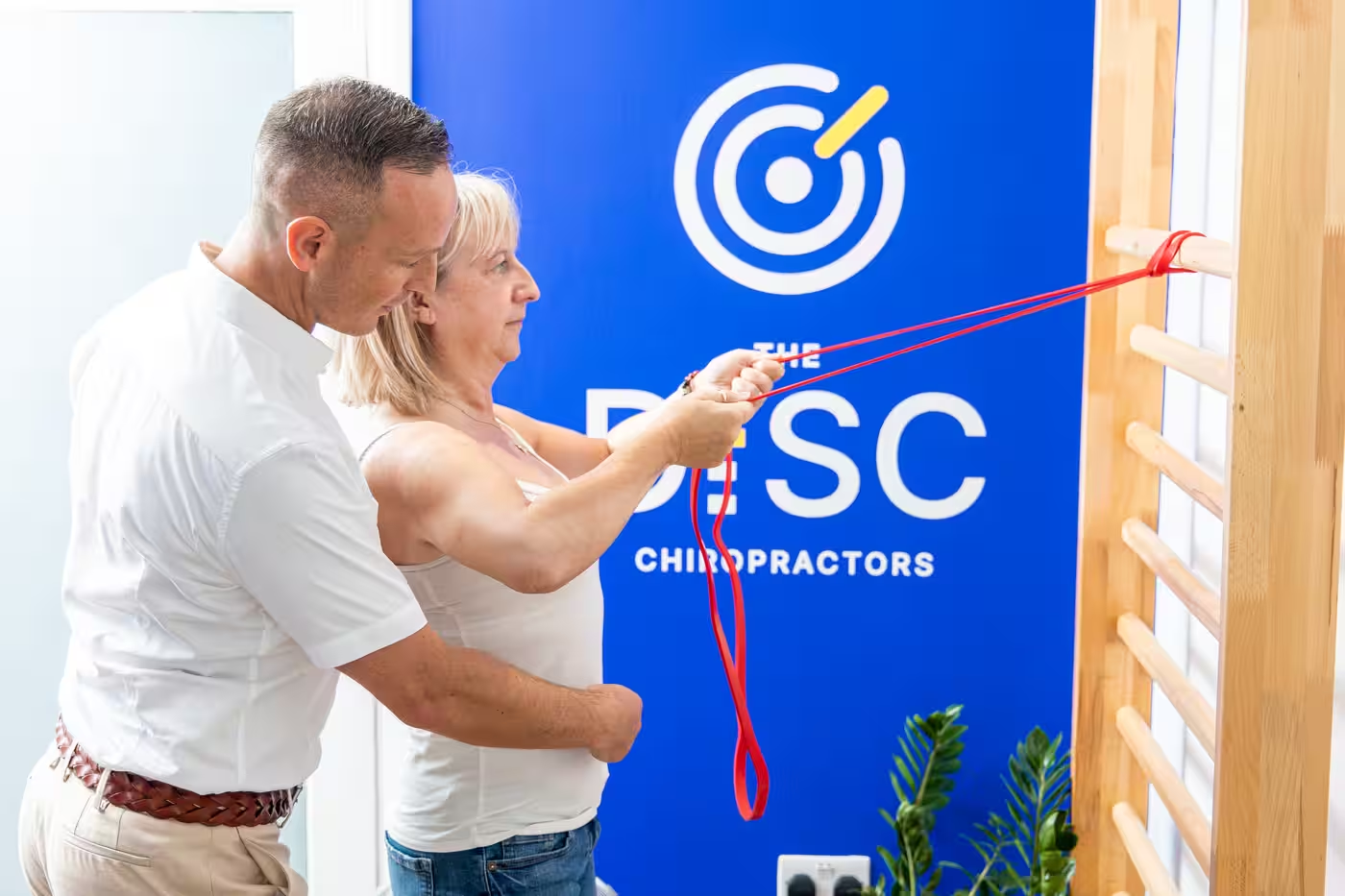
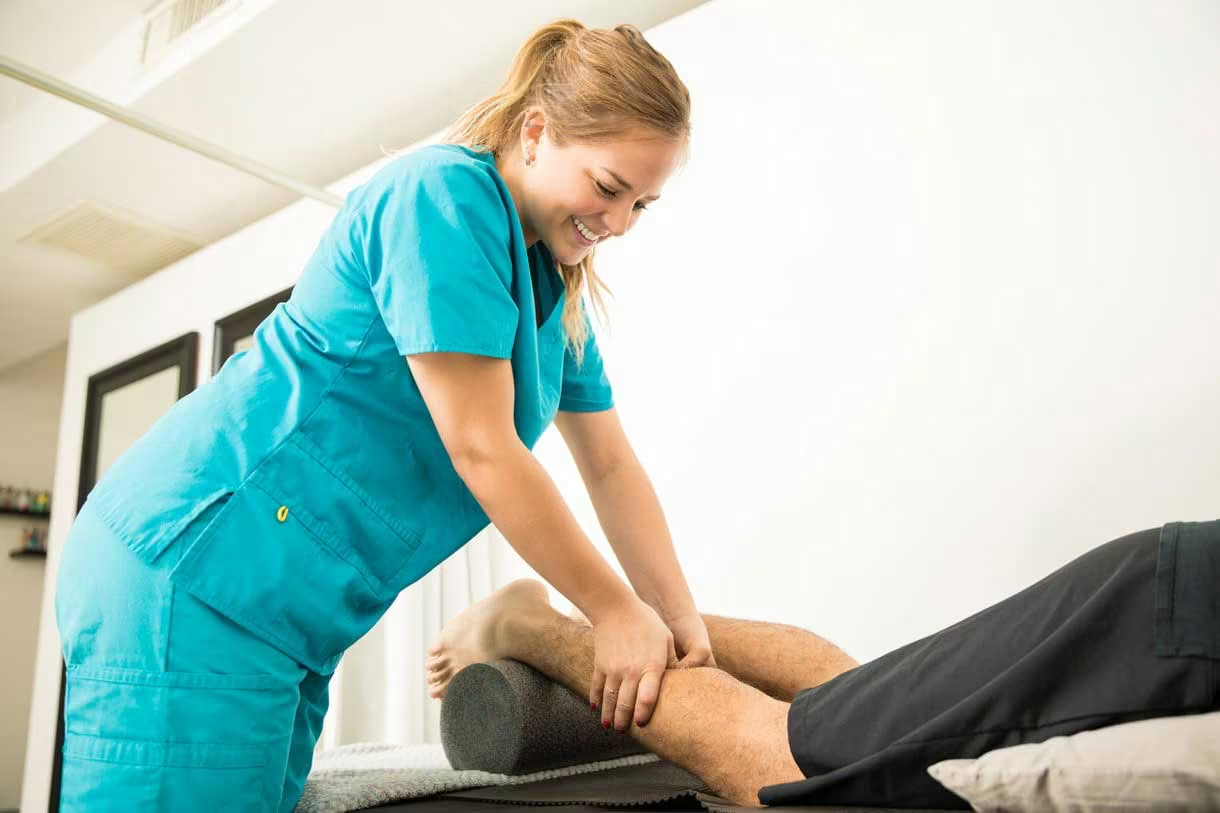
“Move it or lose it: motion is your lotion, rest is rust”.
One of the key components of our rehabilitative exercise program is gentle mobilisation; part of the primary reason inflammation builds in an area is the lack of blood flow caused by restricted joints. These stretches are designed to release tension in the affected areas, promoting flexibility and easing discomfort. You’ll be surprised at how such simple movements can have a profound impact on your overall comfort and mobility.
Building strength in the muscles surrounding the injured or affected area is vital in stabilizing and supporting your spine. Our clinical treatments aim to restore stability in failing or imbalanced musculature and following this our chiropractors will guide you through a series of exercises that target these muscle groups, helping you regain further strength and stability.
Don’t worry, staying active doesn’t always mean high-impact workouts.
What is the best rehabilitative exercise for a slipped disc?
Disc injuries come in various shapes and sizes, making one-exercise-that-fits-them-all, an impossibility. Staged rehabilitative exercise goals are therefore the key to success; initially, mobility is most important, followed by stabilisation exercises before advancing to strengthening work.
At DISC, your safety is our utmost priority. Our Surbiton chiropractors will provide you with clear instructions and precautions to follow while performing your exercises. We’ll guide you on how to listen to your body, ensuring you stay within your comfort level while still making progress.
Since there are multiple different types and locations of slipped discs and trapped nerves, then it’s impossible to simply cookie cutter a rehabilitation plan that fits all patients.
Many of you will have tried online courses or followed YouTube programs which actually make your pain worse… this is because they have assumed all sciatica is the most common mild chronic type, ignoring the people whose pain dictates an entirely different path to recovery.
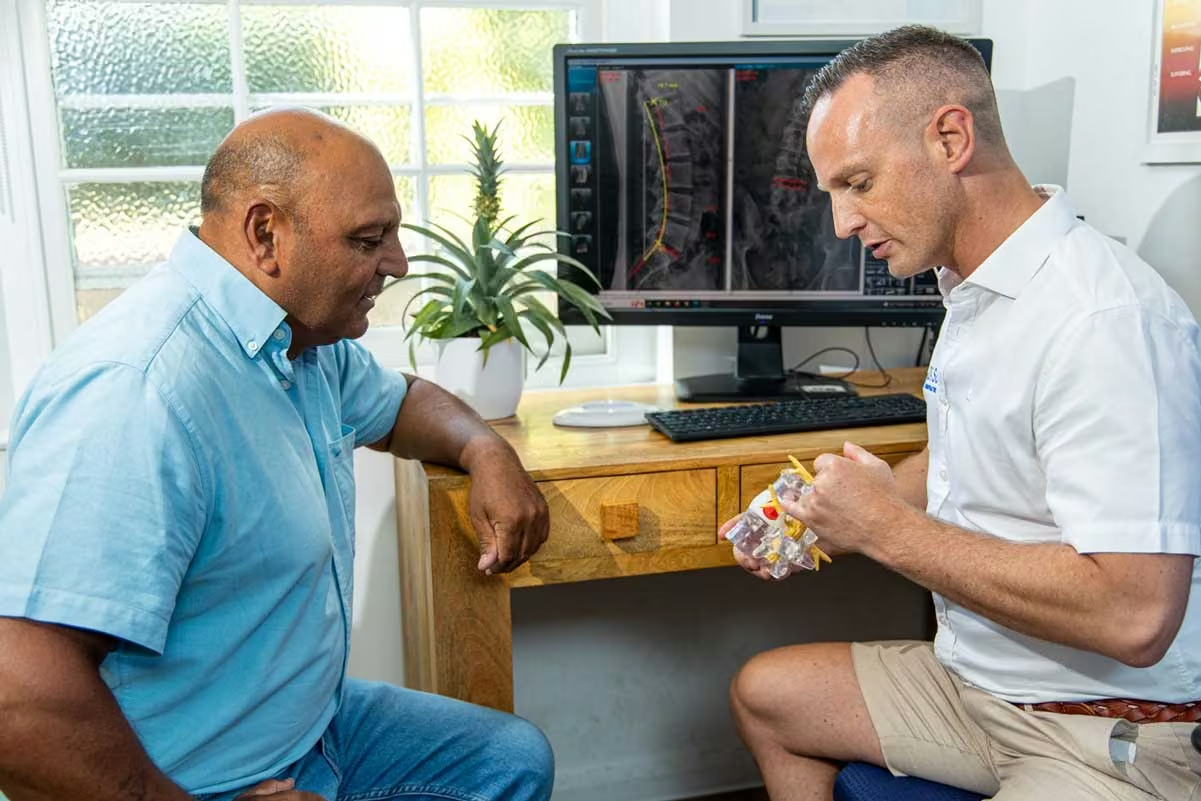
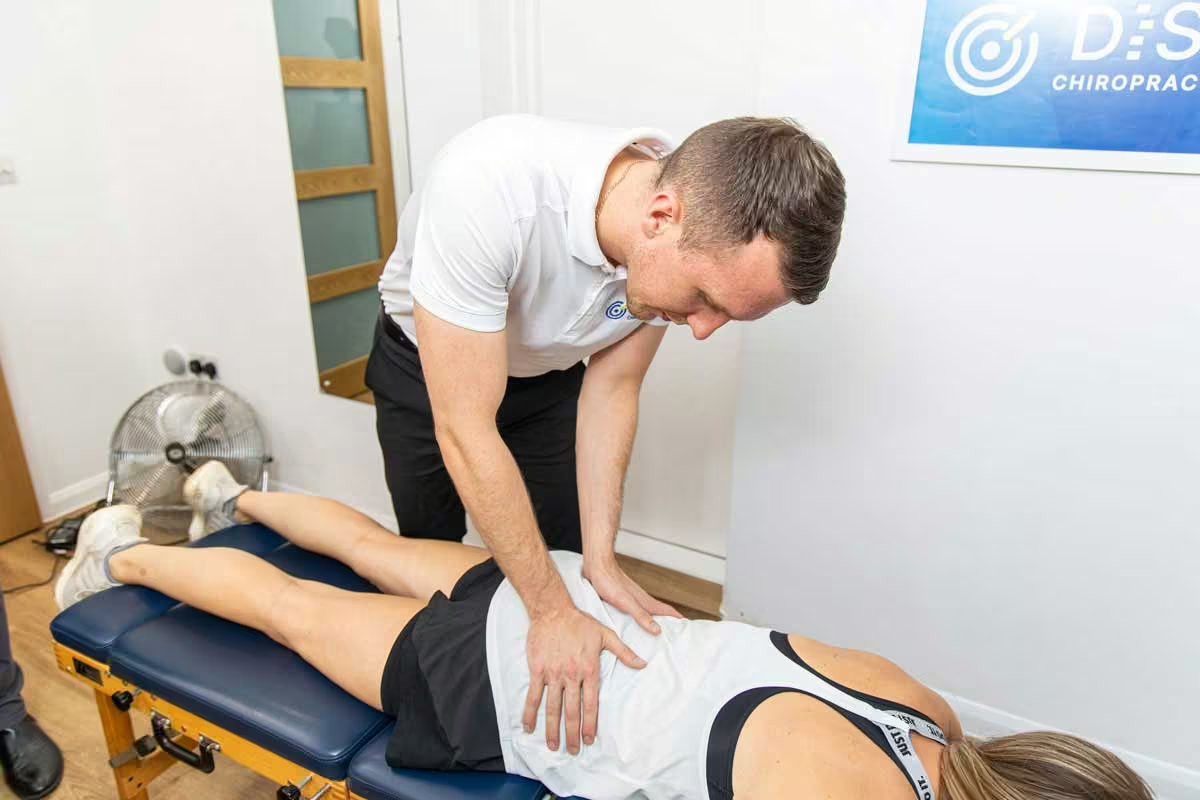
Rest assured at DISC we will encourage, support, and instruct you in specific movements designed to first reduce your inflammation before attempting any mobility or strengthening techniques that many practitioners just jump to from the start.
In addition to rehabilitative exercises, we offer complementary therapies that synergistically enhance your recovery journey. With technology such as our HiFrequency ElectroMagnets (HiFEM) patients struggling to get that all-important core stability can rest assured we have support programs able to deliver astounding improvements in the pelvic floor and abdominal musculature.
Our commitment to your well-being extends beyond recovery. We’ll equip you with valuable tips and insights on maintaining a healthy spine and preventing future injuries. Our mission is to empower you to take charge of your long-term wellness.
Imagine a life where pain and discomfort no longer hold you back – where you can enjoy activities you love and spend quality time with your loved ones without limitations. Our rehabilitative exercises open doors to a future of renewed vitality and energy by giving you the confidence that your back is not permanently damaged or weakened but can often regain and outperform its previous best.
Your Journey to Freedom Starts Here
If disc injuries or sciatica have been affecting your life, it’s time to take the first step towards a pain-free future. DISC Surbiton is ready to guide you through personalized rehabilitative exercises that will transform your well-being. Trust in our expertise, embrace the healing power of exercise and witness the positive impact it can have on your life.
Frequently Asked Questions
Is it safe for me to perform Rehabilitative Exercises
Absolutely! At The DISC chiropractors, Surbiton, we tailor exercise programs to suit patients of all ages, fitness levels and pain levels. Whether you’re a young athlete or a senior looking to regain mobility, our rehabilitative exercise programs are designed with your capabilities in mind.
Even the toughest cases can find a gentle routine which can ease pain and regain lost mobility, knowing when to push and when to ease off is key to success.
What are the best Rehabilitative Exercises for Back pain?
The best rehabilitative exercises depend on the condition. However, if I had to choose a one-size-fits-all protocol then Stuart McGill’s ‘Big 3’ is the most research-proven program. Incorporating an abdominal contraction, side bridge, and a posterior chain ‘Superman’ exercise to target stability from all sides.
What are the best Rehabilitative Exercises for Slipped Discs & Sciatica?
The best rehabilitative exercises depend on the type of disc injury and how old it is. However, priority is given to the effects any exercise or mobility drill has on leg pain or sciatica. If I had to choose a one-size-fits-all protocol then Mckenzie’s extension protocol is the most research-proven program. Gradually increasing the range of motion into extension, repositions the protruding disc back to its normal position.
It would be reasonable to expect some back pain upon performing these drills if the lower back has muscle guarding.
Is it normal for Rehabilitative Exercises to be painful?
Yes and no! Our chiropractors will guide you through exercises that are gentle and safe. While some discomfort may be expected, the exercises are intended to promote healing and not cause additional pain.
Often alternatives can be provided to find the movements that stimulate movement without increasing inflammation.
However when dealing with cases involving muscle guarding, if there is some pain whilst performing the exercise but notable improvement afterwards then generally we encourage you to push through.
Pain continuing after the exercise for more than 20-30minutes is a relative contraindication especially if sprain nature, consult a clinician.
Can I continue Rehabilitative Exercises at home?
Absolutely! Our team will provide you with clear instructions on how to perform exercises at home safely. Consistency is key to a successful recovery, and continuing exercises on your own will accelerate your progress.
How soon can I expect to see results from Rehabilitative Exercises?
Results may vary depending on the severity of your condition and your commitment to the exercise program. Some patients experience relief after just a few sessions, while others may take a few weeks to notice significant improvements.
Are rehabilitative exercises suitable for all ages?
Absolutely! The DISC chiropractors will tailor exercise programs to suit patients of all ages and fitness levels. Whether you’re a young athlete or a senior looking to regain mobility, our exercises are designed with your needs in mind.
What is the difference between Rehabilitative Exercises and Physiotherapy Exercises for Back Pain
Nothing, Physiotherapists are known as some of the top dogs for Rehabilitative Exercises. The real question is are you seeing a physio or clinician who is sculpting a structured, individual exercise program for you following a thorough examination, set to your needs and abilities? Or are you seeing someone who has a pre-printed sheet of exercises that they give to all patients regardless of their condition?