
Chapter 1: What Makes a Surbiton Chiropractor “The Best”?
Selecting the best local chiropractor in Surbiton is not just a checklist task of verifying credentials or approving techniques. It’s about connecting with a provider who understands your lifestyle goals or aspirations, someone whose approachable smile and attentive ear make sharing your health concerns feel as comfortable as a conversation with a trusted friend. The right Surbiton chiropractor doesn’t just adjust your spine; they align with your health goals, ensuring that their practices fit seamlessly with your comfort level and individual preferences.
To help with your selection process, consider these actionable tips: prepare a list of questions to ask potential chiropractors about their experience and treatment approach, check online reviews and testimonials to gauge patient satisfaction, and visit the clinic for an initial consultation to assess compatibility. By taking these proactive steps, you can feel empowered and confident in your choice.
While technique and credentials are critical, a chiropractor’s character, passion, communication skills, and patient-care approach often set them apart. Five key personality traits define outstanding chiropractors and ensure a superior patient experience.
Why Does Genuine Empathy Matter in Chiropractic Care?
Empathy and compassion are foundational traits of a great chiropractor. An empathetic chiropractor takes the time to genuinely understand your emotional and physical pain, demonstrating authentic concern for your overall well-being. They actively listen, offer reassurance, and strive to see the world from your perspective.
For example, a compassionate chiropractor will acknowledge not just your symptoms but also how they affect your daily life, such as difficulty sleeping or reduced ability to participate in activities you love, and tailor their approach to address your comprehensive health needs.
We will discuss extensively how to find a technically skilled chiropractor or one who specialises in your area of concern. However, from personal experience, nothing compares to the empathy gained from lived experience. At The DISC chiropractors in Surbiton, we eat, sleep, and breathe disc injuries, a focus that began when our principal chiropractor suffered a fall, resulting in the life-changing experience of two blown lumbar discs. Our wider team of chiropractors also brings a wealth of experience and specialised training in advanced spinal decompression and shockwave therapy, ensuring our collective expertise is always working to provide the best care for our patients.
How Does Clear and Honest Communication Enhance Chiropractic Care?
The best chiropractors excel in clear, respectful, and transparent communication. They explain procedures and diagnoses in simple, straightforward language, ensuring you fully understand each aspect of your care. They encourage open dialogue, patiently answer questions, and seek to empower you through informed decision-making.
For instance, a good chiropractor who values communication will clearly outline the expected duration of your treatment, openly discuss potential challenges, and consistently check your understanding, ensuring that you always feel comfortable and involved in your care plan.
How Does Integrity Distinguish the Best Chiropractors?
Integrity is a hallmark of excellence in chiropractic care. Chiropractors with high integrity prioritise your best interests, recommending only treatments that genuinely benefit you. They avoid upselling unnecessary services and are transparent about potential outcomes and limitations.
For example, a chiropractor who demonstrates integrity will provide an open and accessible care plan, offering information on realistic and achievable goal setting rather than a one-size-fits-all protocol that overlooks the individual nature of each case.
Likewise, good chiropractors will inform you when chiropractic care might have reached its limits and proactively refer you to appropriate specialists or complementary therapies, prioritising your wellbeing over their financial gain.
Why Should You Look for A Chiropractor with an Approachable And Friendly Demeanour?
A welcoming, approachable personality significantly enhances your comfort and your willingness to engage openly during your visits. The best chiropractors create a relaxed, friendly atmosphere, helping reduce anxiety or nervousness associated with healthcare treatments. Imagine walking into the clinic and being greeted with a warm smile and a friendly ‘Hey! How have you been since our last session?’ This simple, genuine interaction can set the tone for a positive experience and open communication..
For example, the best chiropractors will seem genuinely excited to see you, greeting you warmly and remembering details about your personal life; this creates a relaxed conversation that can significantly improve your treatment experience and foster a positive outlook on your recovery.
Why Is Passion an Essential Quality in All the Best Chiropractors?
Dedication and genuine enthusiasm reflect a chiropractor’s passion for problem-solving and commitment to achieving the best possible outcomes. An exceptional chiropractor is deeply invested in understanding the complexities of your condition and enthusiastically explores various treatment options to find the most effective solution. Their passion for continuous learning and adaptability ensures they remain open to adjusting treatment plans. Our clinical team is constantly training and expanding its knowledge through courses such as advanced spinal decompression therapy, shockwave therapy, and adhesion release, highlighting our commitment to integrating the latest techniques for patient benefit.
For instance, a dedicated chiropractor may proactively research and introduce new methods or therapies, frequently share insights, and demonstrate their commitment to solving your health challenges.
Conclusion: Prioritise Personality in Your Choice
Ultimately, the best chiropractic care emerges from technical skill and exceptional personal qualities. Chiropractors who embody empathy, integrity, effective communication, friendliness, enthusiasm, and adaptability provide care that goes beyond symptom relief; they foster a trusting, collaborative relationship essential for achieving optimal health outcomes.
When selecting your local chiropractor in Surbiton, prioritise these personality traits to ensure a positive, empowering, and successful healthcare experience.
Chapter 2: Essential Credentials to Look for in a Local Surbiton Chiropractor
Selecting a good chiropractor involves more than evaluating their personality or technique. In the UK, finding the best chiropractor in Surbiton means ensuring they meet high safety, competency, and ethics standards, given that chiropractic is a strictly regulated profession. Understanding and verifying these credentials helps protect your health and ensures you receive effective, professional care. Here are six essential credential considerations to examine thoroughly when selecting a local chiropractor in Surbiton.
1. Why Is GCC Registration Important for Chiropractors in the UK?
In the UK, all chiropractors must be legally registered with the General Chiropractic Council (GCC). (“Register as a chiropractor”) GCC registration ensures that your local Surbiton chiropractor has met stringent education and ethical standards, making this your first step in credential verification.
To actively verify GCC registration, follow these steps:
1. Access the publicly available online register of the GCC.
2. Use the search function to enter the chiropractor’s name.
3. Review their professional details to confirm their registration and check for any noted disciplinary actions.
This database provides a list of all chiropractors legally entitled to practice, reassuring you about their legitimacy and regulatory compliance.
2. What Qualifications Should UK Chiropractors Have?
Chiropractors who qualify in the UK must graduate from an approved chiropractic degree programme—usually a four- or five-year master’s Level qualification. (“Meeting our Education Standards”) The extensive curriculum covers anatomy, physiology, biomechanics, pathology, neurology, radiology, and hands-on chiropractic techniques.
The best chiropractors pursue further postgraduate specialisations, such as sports chiropractic, paediatric chiropractic, or neurology, enhancing their expertise in specific conditions. Understanding your local chiropractor’s educational background can help determine whether their skill set aligns closely with your treatment needs.
3. Why Do Chiropractors Need Professional Indemnity Insurance?
Professional indemnity insurance is mandatory for all GCC-registered chiropractors in the UK. (“The General Chiropractic Council (Professional Indemnity Insurance) Rules Order 1999”) This insurance protects patients by covering any liabilities that might arise during treatment, reflecting a fundamental standard of professional responsibility.
Confirming that your local Surbiton chiropractor maintains up-to-date clinical insurance is essential to safeguarding your healthcare experience. Ethical chiropractors openly provide evidence of their insurance status online or upon request.
4. Why Is Continuing Professional Development (CPD) Important for Chiropractors?
Continuing Professional Development (CPD) is obligatory for chiropractors to maintain their GCC registration. (“The General Chiropractic Council (Continuing Professional Development) Rules Order of Council 2004”) Chiropractors must engage in annual learning activities, including advanced training, workshops, or research seminars. CPD ensures your local chiropractor remains current with best practices, evidence-based techniques, and advancements in healthcare.
Ask your potential local Surbiton chiropractors about their recent professional development activities. The best chiropractors actively engage in ongoing education and demonstrate a commitment to delivering high-quality, contemporary care that directly benefits patients.
5. How Can You Verify Your Local Surbiton Chiropractor’s Credentials Online?
Reputable chiropractors understand the value of transparency and make their credentials readily accessible. Legitimate practitioners clearly list their GCC registration number, educational background, CPD credentials, and insurance details on their websites or profiles. In fact, over 85% of patients report feeling more confident in their chiropractor’s expertise after verifying these credentials, highlighting the importance of such transparency.
Look for transparency in credentials—clear, detailed, and easily verifiable online. The best chiropractors readily provide this information and encourage potential patients to verify it independently. Difficulty verifying credentials online could signal a lack of professionalism or authenticity.
6. What are Common Credential-Related Red Flags in Chiropractic Care?
Awareness of potential red flags associated with credentials is vital. Watch out for practitioners whose credentials are vague, unverifiable, or inconsistent. Chiropractors who avoid questions about their training or registration, or who make exaggerated claims about their abilities, should prompt further scrutiny.
Specifically, be cautious if a chiropractor:
- Cannot be found on the GCC register
- Provides unclear or vague qualifications
- Hesitates to offer evidence of insurance or CPD compliance
- Makes unrealistic promises of “cures” or guaranteed outcomes
Recognising these warning signs helps you avoid questionable practices and ensures you receive safe, regulated care.
Conclusion: Credential Verification Supports Confident Choices
Validating chiropractic credentials is not merely a bureaucratic task but an essential step in ensuring safe, effective care. GCC registration, a thorough educational background, professional indemnity insurance, and active CPD are pillars of a trustworthy chiropractor’s professional foundation.
Always verify credentials before committing to treatment. Doing so will give you confidence that your local Surbiton chiropractor meets the highest professional and ethical standards, allowing you to embark on your health journey with trust and clarity.
Chapter 3: What Chiropractic Techniques Are Used, and Which One Is Right for Me?
Understanding the different chiropractic techniques can help you feel more confident, informed, and prepared for care. Not every chiropractor uses the same approach, and the best techniques for you may depend on your condition, preferences, and treatment goals.
During your first visit to The DISC Chiropractors, Surbiton, you can expect a thorough assessment and discussion to understand your unique needs. Your specialist chiropractor will take the time to explore your medical history, current health concerns, and personal goals. Based on this comprehensive evaluation, the technique selection will be personalised to align with your specific requirements, ensuring a tailored and effective care plan. We specialise in advanced methods tailored to disc-related and nerve-based conditions, but we also apply a broad range of techniques to suit each patient’s needs.
1. What Are the Most Common Chiropractic Techniques Used Today?
The best Chiropractors use various hands-on and instrument-assisted techniques to influence the musculoskeletal and nervous systems. The most recognised is the manual spinal adjustment (or “manipulation”), where a quick, controlled force is applied to a joint to restore mobility and reduce pain.
Common techniques include:
- Diversified Technique: The most common hands-on adjustment method used on the spine and extremities.
- Activator Method: A spring-loaded tool delivers a gentle impulse to precise areas.
- Drop Table Adjusting: A segmented table supports gravity-assisted adjustments.
- SOT (Sacro-Occipital Technique): Uses gentle pelvic blocking for stability and cranial work.
- Gonstead Technique: A biomechanically detailed approach, often guided by X-ray analysis.
- McTimoney Chiropractic: A gentle, non-manipulative technique.
Most chiropractors initially specialise in one of these techniques, often influenced by the college they attended. Postgraduate learning and hands-on experience allow the best chiropractors, like those in our Surbiton clinic, to expand their clinical toolkit and incorporate multiple adjusting styles.
2. How Do Manual Adjustments Compare to Instrument-Based Techniques?
Manual adjustments are the traditional image of chiropractic—the audible “crack,” the hands-on correction. They can be effective for restoring joint mobility and reducing nervous system interference. However, not all patients respond well to forceful or high-velocity adjustments.
Instrument-based techniques, like those used at The DISC Chiropractors, Surbiton, offer greater control and precision. Tools like the ArthroStim can deliver rapid, low-force pulses that achieve neuromuscular changes without twisting or cracking.
These options are particularly beneficial for:
- Elderly patients with fragile joints
- Those experiencing spasms or inflammation
- People who are anxious about manual techniques
A good chiropractor will explain the difference and choose what best suits your comfort and clinical needs. The best chiropractors offer a variety of techniques and provide a clear rationale based on your goals.
3. How Do Advanced Technologies Improve Chiropractic Outcomes?
Technological innovation has transformed the way good chiropractors deliver care. Some within the profession may question the role of technology, but when used appropriately, it complements manual techniques and enhances outcomes, particularly in complex cases.
At The DISC Chiropractors in Surbiton, we use spinal decompression and laser therapy for distinct yet complementary purposes. Decompression introduces energy, creates space, and rehydrates spinal discs. Laser therapy calms irritated nerves and inflamed tissues, reducing pain and promoting healing.
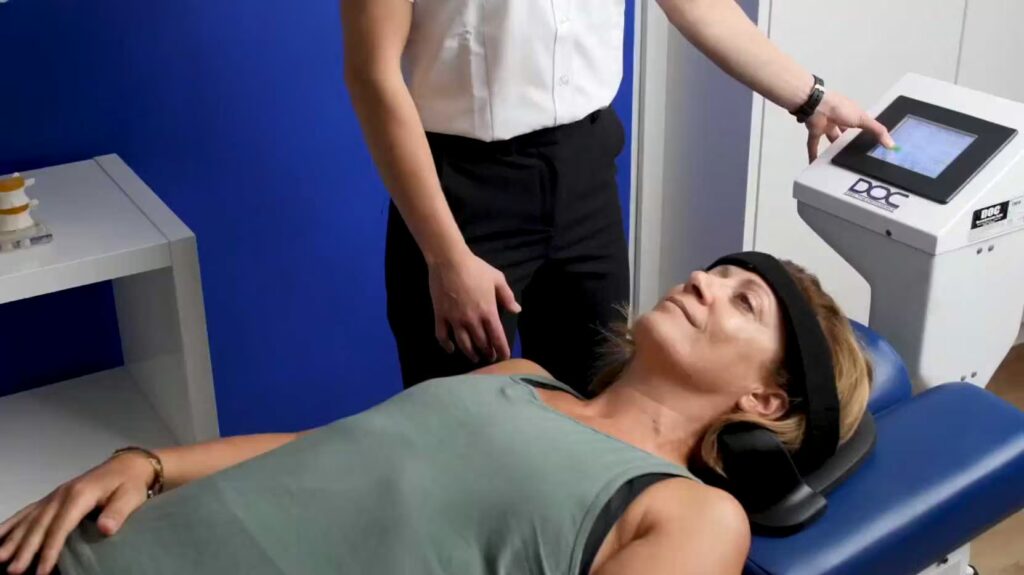
Spinal Decompression Therapy (SDT) is used for disc bulges, herniations, and nerve entrapments. (“Spinal Decompression Traction Therapy”) A motorised table gently separates spinal segments, relieving pressure and allowing nutrients to re-enter the disc. Many patients who had considered surgery find relief with this non-invasive option.
Laser Therapy (also called Low-Level Laser Therapy or Photobiomodulation) delivers concentrated light to reduce inflammation, decrease nerve sensitivity, and accelerate tissue repair. (“Top 10 Reasons for Low-Level Laser Therapy (LLLT) | Benefits Explained”) It is highly effective in early care stages, particularly when the patient is too reactive for techniques like SDT.
These technologies are not used in isolation. At The DISC Chiropractors, Surbiton, we carefully sequence their use. For instance, a patient may begin with laser therapy to calm a flared-up nerve, then transition into decompression for deeper structural change.
4. How Are Techniques Adapted to Disc Injuries and Nerve Conditions?
Disc injuries require a very different approach from general back pain or postural tension. Forceful manipulation may worsen symptoms if the disc is inflamed or the nerve root is sensitised. Yet many doctors underestimate the prevalence of disc injuries in back pain, which is why many patients have negative experiences with chiropractors and why having a good chiropractor who specialises in disc care is essential if you suspect your discs are causative of your pain.
At The DISC Chiropractors, Surbiton, we:
- Use imaging to guide treatment choices.
- Begin with low-force techniques until inflammation is controlled.
- Have advanced technology designed to handle extreme cases.
- Progressively add rehab and strength work to stabilise patients and provide long-term outcomes.
Techniques are never one-size-fits-all. They should vary, complement your goals, and evolve as your body responds.
5. What Should a Good Chiropractor Consider When Choosing a Technique?
A good chiropractor doesn’t just pick and apply a favourite method to everyone. They consider:
- Your diagnosis
- Your age and physical condition
- Your comfort and preferences
- Your response to prior sessions
- Your pain intensity and the presence of spasm
- Your targets, goals and appetite for progress.
At DISC, we begin each case with a detailed assessment to determine which combination of techniques will deliver the best results with the least strain. If a method is not working, we adjust or change it. If you’re progressing quickly, we adapt accordingly.
Technique is a tool, not a belief system. Good chiropractors like those at our Surbiton Clinic are flexible, not dogmatic.
Conclusion: Technique Should Be Tailored, Not Prescribed
Chiropractic techniques vary widely, and no single method is right for everyone. The best results come from customising care based on your needs, condition, and how your body responds over time.
At The DISC Chiropractors, Surbiton, we specialise in advanced disc-care technologies, but our broader goal is to find what works best for you—safely, gently, and effectively. Whether that involves hands-on work, decompression, laser, or all of the above, the right technique is the one that helps you move better, feel stronger, and stay out of pain.
Chapter 4: Should You Choose a Specialist or a Generalist Chiropractor?
Choosing the right chiropractor can be simplified by understanding the scope of their expertise. To help guide your decision, consider these three questions: “Do you need care for a specific condition like disc issues, or is general wellness support sufficient?” “Have you undergone basic chiropractic care without meaningful results?” “Are you looking for a clinic with advanced diagnostic tools and specialised treatment options?” Both generalist and specialist chiropractors can provide high-quality care, but their purposes differ based on the complexity and goals of your treatment. Knowing what you’re aiming for will help you make the most informed decision for your health.
A generalist chiropractor in Surbiton would provide broad-spectrum care. They treat a wide variety of musculoskeletal conditions, from tension headaches and back pain to postural issues and joint stiffness. Generalists often work with patients across all age groups and tailor their techniques to fit day-to-day complaints.
Specialist chiropractors, by contrast, focus on a narrower category of conditions or body systems. For example:
- Sports specialists
- Postural specialists
- Pregnancy specialists
- Geriatric specialists
- Paediatric specialists
At The DISC Chiropractors in Surbiton, our clinical expertise centres on disc injuries, sciatica, nerve impingement, and neurological presentations. We are the first Chiropractic Clinic in the country to dedicate itself to these challenging cases. (“The DISC Chiropractors | Expert Chiropractor in Surbiton”) This level of focus allows us to develop highly refined protocols and invest in advanced technology specific to these cases.
2. What Are the Benefits and Limitations of Seeing a Generalist Chiropractor?
Most chiropractors fit the Generalist profile and are selected primarily based on their locality. These chiropractors are most often the go-to choice for common issues such as:
- Mild back or neck strain
- Office-related postural tension
- General joint stiffness or mild mobility loss
They are adaptable, often provide well-rounded wellness advice, and are suited to patients seeking maintenance care or prevention strategies.
However, generalists may not be the best fit for more complex conditions, especially when structural problems like disc herniation or nerve compression are involved. In these instances, a generalist may not have the diagnostic tools, clinical training, or therapeutic technology to deliver optimal outcomes and, in some cases, can exacerbate delicate cases with unrefined treatment techniques.
3. When Is It Better to See a Chiropractic Specialist?
Most categories mentioned above have a fairly obvious route to seeing a specialist. If your child has an issue, you want to make sure the credentials of your clinician include plenty of experience treating young people.
Consulting a local Surbiton chiropractor specialised in DISC issues may involve a more nuanced discussion, but they are ideally suited for patients with:
- Chronic or recurring pain
- Radiating symptoms such as numbness, tingling, or weakness
- Sciatica or other confirmed nerve involvement
- MRI-confirmed disc herniations
They also offer targeted treatment plans, often based on diagnostic imaging, and are trained to manage risk in more vulnerable or inflamed cases. At The DISC Chiropractors, Surbiton, our patients frequently come to us after trying generalist care elsewhere without success. We use spinal decompression therapy, laser therapy, and customised rehab programmes explicitly designed for complex disc-related conditions.
4. How Does Specialisation Impact the Techniques and Technology Used?
A specialist chiropractor often integrates advanced diagnostics and therapies into their practice. At The DISC Chiropractors, Surbiton, we invest in:
- In-house digital X-ray systems – diagnostic analysis
- Spinal Decompression Therapy tables – disc and nerve rejuvenation
- Class IV Laser Therapy – inflammation control
- Instrument-assisted adjusting tools – gentle adjusting
- Neuromuscular stimulation – nerve healing
- HiFrequency ElectroMagnetic Therapy (HIEMT) – core stability
- Shockwave therapy – adhesion/scar tissue release
These technologies provide specialists with a broader menu of treatment options, allowing them to tailor interventions with greater precision and flexibility. Having more tools at their disposal increases the likelihood of finding a combination that works—making access to a wider range of techniques a key driver of clinical success.
5. How Do You Decide Which Chiropractor Is the Best Fit for Your Needs?
Start with a clear understanding of your condition. A good generalist chiropractor may be an ideal entry point if you are dealing with recent, mild, or nonspecific discomfort. If your symptoms are chronic, neurological, or have not responded to basic care, it may be time to consult a specialist.
Ask yourself:
- Have I already tried standard chiropractic care without lasting relief?
- Are my symptoms linked to disc damage, sciatica, or nerve pain?
- Do I want a clinic that offers advanced diagnostic and treatment tools?
The best chiropractors, whether specialists or generalists, always prioritise your outcome. They clearly explain their scope and refer you to a more appropriate provider when needed.
Conclusion: Match the Chiropractor to Your Needs, Not Just Your Symptoms
Choosing between a generalist and a specialist chiropractor depends on the complexity of your case and the outcome you’re seeking. Generalists are great for maintenance, posture, and minor injuries. Specialists are the right choice for disc problems, chronic pain, or when standard care has failed.
The DISC Chiropractors in Surbiton offer specialist care for disc and nerve-related conditions while maintaining a commitment to clinical integrity and patient-centred outcomes. Whether you are looking for answers or simply want care that goes deeper, choosing the right chiropractor is the first step to long-term relief.
Chapter 5: The Importance of Locality in Chiropractic Care
Where your chiropractor is located is not just a logistical detail; it is often a deciding factor in the success of your care. The best chiropractors understand that accessibility, ease, and community connection matter as much as clinical skill.
1. Why Finding a Local Chiropractor in Surbiton is so Important for Long-Term Success and Consistency?
Chiropractic care typically requires multiple visits over several weeks or months. The initial focus is on pain reduction, followed by strengthening your body to make it more resilient. For most patients, this involves visits twice a week for the first month, gradually tapering to once a week or fortnight as improvements solidify. Each session typically lasts between 15 and 30 minutes, allowing sufficient time for both treatment and patient-clinician communication.
Whether addressing a disc injury, correcting your posture, or seeking ongoing wellness care, your ability to consistently attend appointments directly affects your results. Standard treatment costs can range from £48 to £60 per session, depending on the complexity of care required. Take the first step by scheduling a credentials check or a discovery call with our team in Surbiton today. These initial actions will help set the foundation for a consistent and successful care plan tailored to your needs.
Let’s be honest: most people don’t have spare hours. Work deadlines, school runs, gym commitments, and daily life rarely allow for long detours or midday appointments halfway across the city.
By going to a local chiropractor in Surbiton, care becomes sustainable. You can slot visits into your routine before work, during lunch, or after school drop-off. Minor details, such as local parking or good public transport links, make the process smoother.
2. Can Being Part of the Local Community Build Trust and Communication?
Yes. Proximity builds familiarity, and familiarity builds trust. The relationship often feels more grounded and approachable as your Surbiton chiropractor is part of your local area. You are more likely to encounter staff in everyday life, hear their name mentioned by others you know, or simply feel more at ease when you walk into the clinic.
Trust is not just emotional; it has clinical implications. When patients trust their provider, they are more open about their concerns, more likely to follow through on recommendations, and more confident in the plan. At DISC, being part of the Surbiton and South West London community means our relationships often extend beyond the treatment room.
3. Is It Ever Worth Travelling Further to See a Specialist?
The obvious counterpoint to location is when your case is complex or requires a specialist. While local convenience is a major factor in sticking with care, there are times when travelling to see a specialist is well worth the effort. This is especially true for complex or stubborn conditions like disc herniations, sciatica, or nerve entrapments.
At The DISC Chiropractors, Surbiton, we regularly welcome patients from outside our local area. Many have tried generalist care closer to home without success. They come to us for our specific expertise in disc conditions, spinal decompression, and nerve-based pain relief. For these patients, the temporary inconvenience of travel is outweighed by the benefit of targeted, evidence-based care. We have welcomed many international patients over recent years who plan to stay locally for a short period and enjoy intensive treatment programs.
When considering whether to travel, ask yourself: Is this a condition that general care has not resolved or even worsened? Is specialised technology or training needed? In these cases, going the extra mile, literally, might be the turning point in your recovery.
Conclusion: Choose a Chiropractor That Fits Your Life and Your Needs
Local convenience is not just about ease—it is about results. When your clinic is close, consistent, and connected to your daily life, it helps turn care into a habit. At the same time, certain conditions call for more than proximity. When the issue is serious, travelling to see the best chiropractor for your needs can be the difference between temporary relief and lasting recovery.
At The DISC Chiropractors, Surbiton, we pride ourselves on offering the best of both worlds: a trusted presence in the local community and a national reputation for clinical excellence. Whether you live in Surbiton or travel in from further afield, we make care feel close to home.
Chapter 6: Checking Reviews, Testimonials & Word-of-Mouth
In this chapter, we offer you a clear path to confidently choosing the right chiropractor in Surbiton by evaluating reviews, testimonials, and word-of-mouth recommendations. Understanding that all feedback is not created equal, we guide you in discerning reliable insights that align with your expectations, ensuring your decisions are well-informed.
1. Why Do Patient Reviews Matter When Choosing a Surbiton Chiropractor?
Let’s face it, life isn’t so much about sharing experiences over the garden fence anymore. Online reviews are the lifeblood of any small business, and healthcare is no exception. (“Why Online Reviews Management is Key”) When it comes to chiropractic care, they give you a window into the experience before you even set foot in the clinic.
These reviews often reveal more than just star ratings. They discuss more than just good results; they uncover how patients felt about the care, how they were treated as people, and whether their expectations were met. For example, we often have patients who share that their chiropractor took the time to explain every step of the treatment process, which made them feel completely heard and respected. Patient recall being guided with empathy, with a chiropractor carefully listening to their concerns and adjusting the treatment accordingly. Whether someone felt heard, respected, or guided makes all the difference when trusting someone with your health.
When reading reviews, ask yourself questions such as: ‘Does this sound like my situation?’, ‘Are my specific concerns similar to those being addressed?’, and ‘Would I be comfortable with the level of care described?’ These questions can help you relate the review to your personal healthcare expectations and needs.
Look for patterns. Consistent feedback tells you far more than isolated praise or one-off complaints.
2. What Should You Look for in a Detailed Chiropractic Testimonial?
The best chiropractors are often described as providing an experience where one feels cared for as a whole person, not just a spine; someone who sees beyond symptoms and treats the individual, not just the injury. Therefore, the best testimonials sound like someone talking to a friend. They are not scripted or overly polished—they are grounded, relatable, and often mention specific problems and improvements. Good examples include:
- What the person originally came in for
- What care did they receive and for how long?
- How their symptoms changed
- Whether they felt supported or involved in their treatment
3. Is Word-of-Mouth Still a Reliable Way to Find a Local Surbiton Chiropractor?
Word-of-mouth recommendations remain a significant factor when selecting a local chiropractor in Surbiton. (“Word of mouth and physician referrals still drive health care provider choice”) Receiving a recommendation from someone you trust can carry substantial weight. If they share their positive experiences, such as finding relief or feeling understood and respected, it is worth noting.
4. How Do Clinics Handle Negative Reviews, and Why Does It Matter?
Let’s be honest, no business is perfect, and even the best chiropractors can’t keep everyone happy, especially in an emotive environment like healthcare. What matters is how they handle that feedback. A genuine clinic will:
- Respond with empathy and professionalism.
- Acknowledge the concern without defensiveness.
- Attempt to constructively explain any perceived failures.
- Offer a chance to resolve it privately.
If a clinic argues with or belittles reviewers, that is a serious red flag. Respect doesn’t stop when the appointment ends.
When I am looking at a clinic with a large number of testimonials, one of my favourite things to do is skip the 1-star and 5-star reviews and focus on the middle ones. These often provide a more balanced, unvarnished picture of performance, highlighting consistent themes without the influence of excessive praise or unjust negativity.
5. What Red Flags Should You Watch for in Online Chiropractic Reviews?
Trust your instincts when reading reviews. If something feels too polished, it probably is. Watch out for:
- Dozens of nearly identical 5-star reviews – almost like they are repeating a catch phrase
- Reviews that only talk about the clinic being “nice” without mentioning results
- Big promises without follow-up
Authentic reviews sound like real people, because they are. They talk about struggles, hope, and often a bit of scepticism that was turned into trust.
Conclusion: Use Reviews to Guide, Not Decide
Reviews are one part of the picture. They can help you rule places in or out, but should not override your personal experience, research, or instincts. Take what resonates, then go and see for yourself.
At The DISC Chiropractors, Surbiton, we value every review, referral, and conversation. They remind us that behind every star rating is a real person, just like you, looking for answers and hoping to feel better.
Chapter 7: How to Spot Red Flags (and When to Walk Away)
Finding a good, local Surbiton chiropractor who aligns with your goals and values is essential for safe and effective care. While many practitioners offer ethical, evidence-based treatment, it is important to recognise the signs that something may not be quite right. Identifying red flags early can help you avoid ineffective or inappropriate care and instead find a chiropractor who places your well-being first.
Chiropractic care should always begin with a comprehensive assessment. A chiropractor who offers treatment before examining you properly, whether skipping a case history, postural evaluation, or neurological tests, bypasses one of the most critical stages of clinical care. (“Concerns over risks posed by unqualified Chiropractors”)
1. Why Is It a Red Flag to Offer Treatment Without Examination?
Ethical practitioners rely on objective findings to create personalised treatment plans. If a chiropractor starts adjusting your spine without understanding your underlying issue, they are taking an unnecessary risk with your health. Always expect a thorough assessment before any hands-on care begins.
Because we specialise in complex cases at The DISC Chiropractors, Surbiton, every new patient undergoes a structured consultation and in-depth evaluation before any treatment is recommended. Taking shortcuts in these circumstances is not recommended. Our unapologetically thorough procedures ensure that your care is tailored, precise, and most importantly, safe.
2. When Should a Chiropractor Recommend Imaging Like X-Rays?
X-rays or other imaging are not necessary for every patient. Still, they are recommended in cases involving trauma, chronic pain, suspected disc injuries, nerve-based symptoms or degenerative changes, all conditions that we specialise in at The DISC Chiropractors, Surbiton. (Lehman and James) If your symptoms are complex or persistent, it is reasonable to expect a good chiropractor to conduct in-house imaging or refer you to another provider.
At The DISC chiropractors in Surbiton, in-house digital X-ray facilities support fast, accurate diagnosis where clinically appropriate. Our clinicians only recommend imaging when necessary and explain the findings in a way that empowers you to make informed decisions about your care. As the only local clinic in the Surbiton/Kingston area with in-house X-Ray facilities, we often help out our chiropractic colleagues at other local clinics with their imaging needs. In terms of cost, we include X-rays as part of our initial consultations, so including these imaging services in your calculations is necessary to ensure there are no additional fees for patients during their initial assessment.
3. What’s the Problem With Chiropractors Making Health Guarantees?
Health outcomes can never be guaranteed. No good chiropractor will promise to “cure” a condition or deliver results in a fixed number of sessions; doing so should raise concern. (“Code of Ethics – ACA Today”) Chiropractic care can play a vital role in pain relief, functional improvement, and wellness, but results depend on a range of individual factors, including lifestyle, compliance, and the nature of the problem.
The best chiropractors focus on realistic goals, track measurable progress, and adapt the plan as needed. At The DISC Chiropractors, Surbiton, our team provides honest, evidence-based advice and will never overpromise results. We work with you to understand what is achievable and support your progress every step of the way.
Due to our unique techniques and technology, we have set bandwidths of care that reasonably predict the likely duration of care. When cross-referenced with your x-ray findings and test results, these provide an accurate estimate of treatment length, which we regularly audit for accuracy.
4. How Can Vague Explanations About Results Undermine Trust?
Trust begins with clarity. After your initial consultation, you should understand your diagnosis (or working diagnosis), what the clinician plans to do, and how your progress will be monitored. If you receive vague reassurances like “we’ll sort it out” or “you just need regular adjustments” without measurable milestones, that’s a red flag. Consider these examples:
Clear Communication:
“After reviewing your symptoms, I believe you are suffering from X condition. We will begin with Y treatment, expect to see improvements in Z weeks, and will monitor your progress at each step.”
Vague Communication:
“Don’t worry, we’ll sort it out. Just come in regularly for adjustments, and it’ll get better.”
Complex conditions can indeed be challenging to pinpoint at the start of care; medics currently rely on the umbrella term non-specific lower back pain to cover a multitude of diagnostic failings. (Shashi et al.) Likewise, many disc-based injuries are so severely spasmic that little reliable testing can be performed, making accurate diagnosis difficult. However, a good chiropractor will discuss your clinical findings and provide a treatment roadmap with regular reviews. If things are unclear, you should receive a differential diagnosis list. You should never feel left in the dark about what is being done or why.
5. Why Are Long-Term Treatment Plans a Potential Warning Sign?
In some clinics, long-term prepaid packages are recommended before treatment has even begun. (“Chiropractic Plans | Care You Can Trust. Pricing You Can See.”) While maintenance care can be appropriate for some patients later in care, it is essential to consider whether such packages align with your goals. They may meet certain needs, such as addressing chronic conditions or participating in a corrective postural program, but it’s important to weigh the pros and cons.
Being asked to sign up for a large number of visits without sufficient cause may not always reflect a patient-centred approach. Instead, consider whether the proposed plan matches your specific circumstances and health objectives.
Of course, lengthy programs are sometimes necessary, if you’re setting out on a corrective postural program or trying to fully rehabilitate an angry disc injury, these things will take time and require an open and honest structure.
At The DISC Chiropractors in Surbiton, we believe in building trust first. Care begins only after a thorough assessment, and any recommendations are tailored to your specific needs. We focus on outcomes; there are no financial contracts or commitments to treatments, and we regularly revisit your progress to ensure your care is working. Patients pay as they go initially, and if they do block-book care programs, they are never locked into long-term contracts. This straightforward approach builds trust and addresses common concerns about financial commitments in healthcare. If you only see a single-length plan in a clinic’s price list that doesn’t fit your needs and wants, then their motives could be questionable.
6. What Does It Say When a Chiropractor Dismisses Your Questions?
You should never feel uncomfortable asking questions about your care. If your local Surbiton chiropractor dismisses your concerns, avoids giving clear answers, or becomes defensive, it may reflect a broader problem with their communication style or professional transparency.
The best chiropractors in Surbiton have every right to be busy, but during your treatment program, there may not always be time to address all your immediate concerns. You should always feel listened to and be offered the option to discuss your questions at your convenience. If your local Surbiton chiropractor doesn’t offer the option of discussion, you need to empower yourself in these situations or reconsider your choice of clinician. Consider using a script like the following: “I appreciate that you have a busy schedule, but I need some clarification on [specific issue]. Could we set aside a moment to discuss it further or arrange a time that works for both of us?” This should be offered without your need to force the issue, but if floundering, this practical language not only affirms your rights as a patient but also encourages openness and accountability in the care you receive.
Time can be a precious commodity in a busy clinic. Still, if you have questions that the team can’t give their full attention to on the spot, they should have a follow-up plan in place, for example, booking extra time on the next visit or calling you back at the end of a current shift if it’s a more pressing concern.
Conclusion: Look for Clarity, Respect, and Accountability
Chiropractic care should always be safe, collaborative, and clearly explained. While most UK chiropractors are ethical professionals, red flags like rushed treatment, vague communication, or aggressive sales tactics can erode trust. (“Red Flags to Avoid When Visiting a Chiropractor”) If something does not feel right, you are not obligated to continue. Walk away and keep looking for the right fit.
The DISC Chiropractors in Surbiton strive to set high ethical, evidence-based care standards. Your health is too important to gamble with. A reputable chiropractor will welcome your questions, respect your boundaries, and aim to earn your trust.
Chapter 8: Why a Free Consultation or Discovery Call Can Help
Booking a chiropractic appointment can feel like a big step, especially if you are in pain, confused about your options, or unsure whether chiropractic care is best for you. That is where a free consultation or discovery call can make all the difference. It offers a pressure-free space to get answers, understand your options, and decide whether a particular clinic is the right fit. However, we understand that some patients may prefer an in-person first visit to feel more comfortable with the process. Both options are available to meet diverse comfort levels and ensure you make the best choice for your health needs.
To further assist you, after a discovery call or consultation, we guide you through the next steps. If you decide to proceed, scheduling an appointment is straightforward, and our team will inform you of any necessary documents to prepare or specific information to have ready. This ensures that your follow-up visit is tailored to your individual needs and concerns.
1. What Happens During a Discovery Call or Free Consultation?
A discovery call is a short, informal conversation with the clinical team, often by phone or video, where you can ask questions and share your concerns. A free in-person consultation offers the same opportunity to speak with a chiropractor face-to-face.
These sessions are not about hard selling but about helping you make an informed decision. At The DISC Chiropractors, Surbiton, we see these as the beginning of a dialogue, not a commitment. You should leave feeling better informed, not more confused.
Transparency is key. These conversations give you the chance to ask questions like:
- Can chiropractic help with my condition?
- What techniques would you use?
- Do you work with patients like me?
- What does the first appointment involve?
When a chiropractor answers openly, without pressure, it builds trust before hands-on care begins. The best chiropractors will speak in general terms during this stage, clarifying that specific answers, especially about diagnosis or outcomes, can only be provided after a full examination has been completed.
2. Why Can This Help You Avoid the Wrong Fit?
One of the most underrated benefits of a discovery call is that it protects you from investing in the wrong clinic. You are free to walk away without obligation if something feels wrong, whether it is the chiropractor’s tone, philosophy, or the clinic’s approach.
This upfront honesty helps you avoid unnecessary, lengthy care plans, unclear expectations, or high-pressure sales environments. At The DISC Chiropractors, Surbiton, we would rather help you find the right clinic than persuade you to stay in the wrong one.
Clinics that offer these conversations tend to operate more openly. They are confident in their approach and understand that real trust must be earned, not forced. These are the clinics where patients tend to stay—not because they were pushed into care but because they were welcomed with clarity and respect. (“Personalized Communication and Outreach Strategies in Healthcare”)
Conclusion: A Conversation First, Care Second
Booking a free discovery call or consultation is one of the simplest ways to take control of your health decisions. It gives you space to be heard, encourages you to ask any questions about the suitability of chiropractic care for your specific condition, and helps you assess whether a chiropractor truly meets your needs.
At The DISC Chiropractors, Surbiton, we believe care should always begin with conversation. That includes transparent pricing, clear expectations, and zero pressure. We are here to listen if you are ready to ask questions, get clarity, and explore what is possible.
Chapter 9: Conclusion, Finding the Best Chiropractor for You
Choosing the best chiropractor shouldn’t be about who has the most adverts, flashiest branding or boldest claims; it is about alignment. The alignment of your needs with a clinic’s values, experience, and approach. The journey through this guide is designed to help you move past confusion, uncertainty, and marketing hype toward clarity, confidence, and connection.
Whether you are looking for help with a long-standing disc injury, trying to find someone who listens, or simply hoping for a chiropractor who respects your time and health, the right fit is out there.
What Should You Take Away from This Guide?
- The best chiropractors are not just skilled, they are transparent, honest, and easy to talk to.
- Locality matters, but sometimes the right specialist is worth travelling for.
- Technology and technique should match the complexity of your case.
- Clear onboarding, low-pressure consultations, and transparent fees signal a clinic that values your trust.
- Reviews and word of mouth offer powerful insights—but your experience matters most.
You are not expected to know all the answers. What matters is being willing to ask the right questions and listen to how the clinic responds.
The DISC Chiropractors, Surbiton: What We Stand For
At The DISC Chiropractors, Surbiton, we built our clinic on the idea that expert care and human connection should go hand in hand. We do not push people into care. We educate, advise, and then partner with you in your recovery. Whether you are just exploring or ready to begin treatment, our door and phone line are open.
So, if you are wondering whether chiropractic might help or if we are the right clinic for you, book a discovery call. We would love to listen.
References
“Register as a chiropractor.” gov.uk. https://www.gov.uk/find-licences/register-chiropractor Accessed November 20, 2025
“Meeting our Education Standards.” General Chiropractic Council. https://www.gcc-uk.org/education/meeting-our-education-standards Accessed November 20, 2025
“The General Chiropractic Council (Professional Indemnity Insurance) Rules Order 1999.” The General Chiropractic Council (Professional Indemnity Insurance) Rules Order 1999, 1999. https://www.legislation.gov.uk/uksi/1999/3071/made
“The General Chiropractic Council (Continuing Professional Development) Rules Order of Council 2004.” The General Chiropractic Council (Continuing Professional Development) Rules Order of Council 2004, 2004. https://www.legislation.gov.uk/uksi/2004/1877/made
“Spinal Decompression Traction Therapy.” Hopkins Clinic. https://www.hopkinsclinic.com/spinal-decompression-traction-therapy/ Accessed November 20, 2025
“Top 10 Reasons for Low-Level Laser Therapy (LLLT) | Benefits Explained.” sagechiro.co.uk. https://sagechiro.co.uk/10-reasons-to-consider-lllt/ Accessed November 20, 2025
“The DISC Chiropractors | Expert Chiropractor in Surbiton.” disc.co.uk. https://disc.co.uk/ Accessed November 20, 2025
Why Online Reviews Management is Key.” HJ Ross Company, 2024. https://www.hjrosscompany.com/why-online-reviews-management-is-key/
“Word of mouth and physician referrals still drive health care provider choice.” Health Affairs, vol. 26, 2007. https://pubmed.ncbi.nlm.nih.gov/19054900/
“Concerns over risks posed by unqualified Chiropractors.” acc.vn. https://acc.vn/en/concerns-over-risks-posed-by-unqualified-chiropractors/ Accessed November 20, 2025
Lehman, and James. “When Is Radiographic Imaging Medically Necessary for LBP?.” https://dynamicchiropractic.com/article/102280-when-is-radiographic-imaging-medically-necessary-for-lbp
“Code of Ethics – ACA Today.” acatoday.org. https://www.acatoday.org/about/code-of-ethics/ Accessed November 20, 2025
Shashi, et al. “Non-Specific Low Back Pain: A Review of Diagnostic Challenges and Management Strategies.” Middle East Research Journal of Nursing, vol. 4, 2024. https://kspublisher.com/media/articles/MERJN_46_131-136.pdf
“Chiropractic Plans | Care You Can Trust. Pricing You Can See..” chiro.team/pricing/. https://chiro.team/pricing/ Accessed November 20, 2025
“Red Flags to Avoid When Visiting a Chiropractor.” TechBullion.com, 2025. https://techbullion.com/red-flags-to-avoid-when-visiting-a-chiropractor/ Accessed November 20, 2025
“Personalized Communication and Outreach Strategies in Healthcare.” International Journal of Research and Analytical Reviews (IJRAR), vol. 11, 2024. https://ijrar.org/papers/IJRARTH00214.pdf
Sources & References – How to Choose the Best Chiropractor in Surbiton
- World Health Organization (WHO). WHO Guidelines on Basic Training and Safety in Chiropractic. 2005.
- O’Sullivan PB, et al. Multidimensional approach to chronic musculoskeletal pain. BMJ. 2020;368:m791. https://doi.org/10.1136/bmj.m791
- Hartvigsen J, et al. What low back pain is and why we need to pay attention. Lancet. 2018;391(10137):2356–2367. https://www.thelancet.com/journals/lancet/article/PIIS0140-6736(18)30480-X/fulltext
- Mavrovounis G, Meling TR, Lafuente J, Fountas KN, Demetriades AK. Postural ergonomics and work-related musculoskeletal disorders in neurosurgery. Acta Neurochir (Wien). 2021;163(6):1541–1552. https://doi.org/10.1007/s00701-021-04722-5
- Goertz CM, et al. Patient-centered outcomes of chiropractic care for back pain. Spine. 2018;43(14):1001–1008. https://journals.lww.com/spinejournal/Fulltext/2018/07150/Patient_Centered_Outcomes_of_Chiropractic_Care_for.7.aspx
- UK General Chiropractic Council (GCC). Code of Practice & Standards of Proficiency. 2023. https://www.gcc-uk.org/
- World Federation of Chiropractic (WFC). The Role of Chiropractic in Global Health Care. 2021. https://www.wfc.org/website/images/wfc/WHO_WFC_Global_Chiro_Report.pdf
- National Institute for Health and Care Excellence (NICE). Low back pain and sciatica in over 16s: assessment and management (NG59). 2020. https://www.nice.org.uk/guidance/ng59
- Bronfort G, Haas M, Evans R, et al. Effectiveness of manual therapies: the UK evidence report. Chiropractic & Osteopathy. 2010;18(3). https://chiromt.biomedcentral.com/articles/10.1186/1746-1340-18-3
- Rubinstein SM, et al. Spinal manipulative therapy for chronic low back pain. Cochrane Database Syst Rev. 2019;CD008880. https://doi.org/10.1002/14651858.CD008880.pub3
- Pickar JG, Bolton PS. Spinal manipulative therapy and somatosensory activation. J Electromyogr Kinesiol. 2012;22(5):785–794. https://doi.org/10.1016/j.jelekin.2012.02.011
- Nelson CF, et al. Spinal decompression therapy: current concepts and literature review. J Chiropr Med. 2018;17(4):296–305. https://doi.org/10.1016/j.jcm.2018.07.001
- Chow RT, Johnson MI, et al. Efficacy of low-level laser therapy in pain management. Lancet. 2009;374(9705):1897–1908. https://doi.org/10.1016/S0140-6736(09)61522-1
- Dunning J, et al. Electrical stimulation and neuromuscular facilitation after manual therapy. J Orthop Sports Phys Ther. 2014;44(2):86–97. https://doi.org/10.2519/jospt.2014.5065
- Suh CH. The role of pressure in nerve conduction impairment. University of Colorado Biomechanics Lab Report. 1976.
- Walker BF, et al. Safety of chiropractic interventions: a systematic review. Spine. 2012;37(5):E336–E347. https://doi.org/10.1097/BRS.0b013e31823e5808
- Cassidy JD, Boyle E, et al. Risk of vertebrobasilar stroke and chiropractic care: population-based case–control study. Spine. 2008;33(4S). https://pubmed.ncbi.nlm.nih.gov/18277836/
- Haavik H, Murphy B. The role of spinal manipulation in addressing altered sensorimotor integration. Front Integr Neurosci. 2012;6:13. https://doi.org/10.3389/fnint.2012.00013
- Marchand AM. Chiropractic care in pregnancy: safety and effectiveness. J Chiropr Med. 2012;11(1):24–29. https://doi.org/10.1016/j.jcm.2011.09.002
- Hawk C, Schneider M, et al. Chiropractic care for older adults: systematic review. J Manipulative Physiol Ther. 2009;32(6):431–438. https://doi.org/10.1016/j.jmpt.2009.06.011
- Alcantara J, Ohm J, Kunz D. Chiropractic pediatric and adolescent populations: safety and utilization. Explore (NY). 2011;7(3):168–175. https://doi.org/10.1016/j.explore.2011.02.001
- O’Neill S, et al. Clinical effectiveness of manual therapy for musculoskeletal pain: a systematic review. BMJ Open. 2020;10:e036217. https://doi.org/10.1136/bmjopen-2019-036217
- Puentedura EJ, et al. Safety and efficacy of spinal manipulation in patients with musculoskeletal disorders. J Orthop Sports Phys Ther. 2012;42(7):635–642. https://doi.org/10.2519/jospt.2012.3990
- Bialosky JE, et al. The influence of expectation on pain relief following spinal manipulation. Spine J. 2011;11(6):489–497. https://doi.org/10.1016/j.spinee.2011.01.023
- Cochrane Collaboration. Non-pharmacological management of chronic pain. Cochrane Database. 2021. https://www.cochranelibrary.com/
- World Federation of Chiropractic (WFC). Chiropractic and Public Health Report. 2022. https://www.wfc.org/website/images/wfc/Chiro_Public_Health_2022.pdf
- Rubinstein SM, Terwee CB, Assendelft WJJ, et al. Spinal manipulative therapy for acute low-back pain. Cochrane Database Syst Rev. 2012;CD008880. https://doi.org/10.1002/14651858.CD008880.pub2
- O’Connell NE, Wand BM, et al. Clinical guidelines for the management of persistent spinal pain. Eur Spine J. 2020;29(9):2131–2142. https://doi.org/10.1007/s00586-020-06348-3
- Field JR, et al. Patient satisfaction and ethical standards in chiropractic practice. Chiropr Man Therap. 2019;27(1):14. https://doi.org/10.1186/s12998-019-0232-4
- Kaptchuk TJ, et al. Placebo effects in manual therapy. Lancet. 2010;375(9715):1234–1236. https://doi.org/10.1016/S0140-6736(09)62022-6
- Hurwitz EL, et al. Strategies for informed decision-making in conservative musculoskeletal care. Spine. 2019;44(3):E138–E147. https://doi.org/10.1097/BRS.0000000000002815
- Coulter ID, et al. Ethics and transparency in chiropractic: modernising patient communication. J Chiropr Humanit. 2020;27(2):43–54. https://doi.org/10.1016/j.echu.2020.08.001
- Page MJ, et al. Physical interventions for back and neck pain. BMJ. 2021;372:m4829. https://doi.org/10.1136/bmj.m4829
- Rubinstein SM, et al. Manual therapy for chronic pain: updated Cochrane review. Cochrane Database Syst Rev. 2022;CD013730. https://doi.org/10.1002/14651858.CD013730.pub2
- World Health Organization (WHO). Rehabilitation in Health Systems: WHO Guidelines. 2021. https://www.who.int/publications/i/item/9789240030861