

Table of Contents
Chiropractic Recovery: Relief vs. True Healing
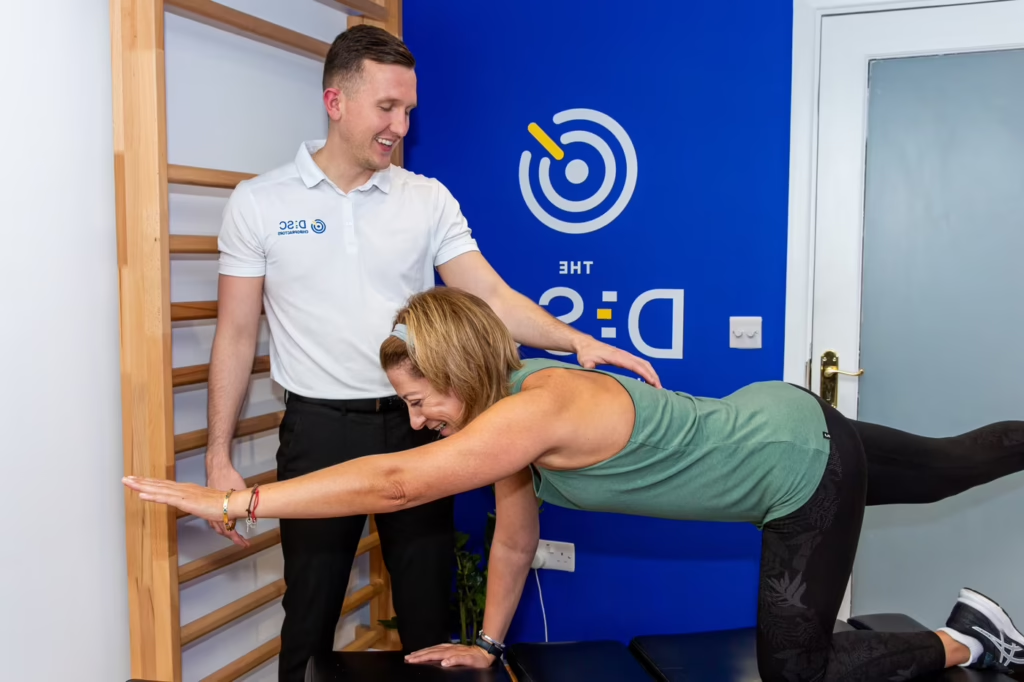
Chapter 1
What's the Difference Between Pain Relief and True Recovery?
Imagine the joy of lifting your child without hesitation or returning to your favourite activities with confidence. One of the biggest misconceptions patients have when they first visit our chiropractic clinic in Surbiton is that pain relief equals recovery.
While pain often brings people to the clinic, pain levels alone are not always a reliable indicator of full recovery, and they are not usually the end goal for the best chiropractors. [89] Understanding the difference between pain relief and true recovery is crucial if you seek long-term results, not just a temporary reprieve.
In this chapter, we’ll explore how good chiropractors define progress, why pain-free isn’t the finish line, and how true recovery encompasses much more than symptom suppression.
What Does Pain Relief Actually Mean in Chiropractic Care?
Pain relief is often the first milestone in your healing journey. For many patients, a noticeable decrease in pain, especially after their first few adjustments, can feel like a breakthrough. And in many ways, it is. When your body begins to decompress, nerves become less irritated, inflammation reduces, and muscle guarding starts to ease. [69]
But here’s the catch: pain relief is often just the removal of the body’s alarm bell, not the resolution of the underlying issue. The source of the problem may still be present: dysfunctional joints, muscular imbalances, nerve interference, or poor postural habits may persist, but without pain as a signal, people assume they’re already “better.” Think of nerve interference like a kink in a garden hose; the water (or in this case, nerve signals) can’t flow freely. The pain might be reduced, but the underlying blockages remain, waiting to be fully addressed.
Pain levels often improve faster than the body’s underlying capacity to tolerate stress. [89] In many cases, inflammation settles and the nervous system becomes less sensitive before strength, stability, and movement control have fully recovered. This is one reason patients sometimes relapse after returning too quickly to heavy lifting, long hours at work, or intense exercise. The body may feel calmer, but that does not always mean it is fully prepared for the same demands that contributed to the problem initially.
Why Being “Pain Free” Is Not the Same as Being Fully Recovered
Pain is a symptom, not a diagnosis. In chiropractic care, the absence of pain can be misleading. Think of it like a check engine light turning off after unplugging the sensor; the problem may still be there, hidden under the surface.
Recovery, on the other hand, is about restoring function: mobility, stability, strength, and coordination. A well-functioning spine and nervous system allow the body to move freely and adapt to stress without triggering pain. [89] Pain relief does not mean injury-free. It simply means your body is no longer screaming for help.
At The DISC Chiropractor in Surbiton, we measure pain on a scale from -10 to 0, with negative numbers indicating greater pain. A score of -10 represents extreme pain that severely limits daily activities, while 0 indicates no pain. We use a scale from +1 to +10 to evaluate functional progress, with higher values indicating greater functional abilities and improvements. A score of +1 suggests initial steps in regaining function, and +10 signifies full functional recovery and resilience in physical activities.
To bring this scale to life, imagine a patient who came to us experiencing limiting back pain at -8 on the scale. Initially, even simple tasks were daunting, but with targeted treatment and rehabilitation, they gradually progressed to a +5. A patient may initially struggle with simple daily activities due to severe back pain, but later regain confidence with movement, work, exercise, or family activities as function improves. This approach allows time to stabilise results and target longer-term recovery, not just short-term symptom relief.
What Functional Goals Define True Recovery?
True recovery involves much more than removing symptoms. Here’s what our Surbiton clinic looks for to define real progress:
- Joint mobility: Can the affected area move through its full range of motion without restriction?
- Strength balance: Are stabilising and core muscles supporting movement effectively? [13]
- Neuromuscular control: Can you perform daily tasks without triggering compensatory patterns?
- Postural integrity: Can your body hold good alignment under load or over time?
- Adaptability: Can you handle physical or emotional stress without recurring symptoms?
Without these benchmarks, you risk falling into a pain relapse cycle, where symptoms reappear after just a few weeks or months. That’s not a sign of failure; it’s a sign that pain was treated, but function wasn’t fully restored. Imagine investing time and money into chiropractic sessions, thinking you’re on the road to recovery, only to find yourself back at square one when the pain returns.
The frustration is not just emotional but also financial, as you might need additional treatments, which would take up more time and resources. Committing to complete recovery phases is essential to prevent these setbacks and ensure a sustainable, pain-free future.
By assessing these functional markers, the best chiropractors, like DISC’s Surbiton chiropractors, guide the treatment plan and determine when to move into the next phase of care, whether that’s more advanced rehab, lifestyle changes, or a reduction in care known as a maintenance plan.
True recovery also includes confidence in your body again. Many patients unconsciously begin avoiding movements, activities, or experiences they associate with pain. While this can feel protective in the short term, prolonged avoidance often leads to deconditioning, stiffness, and increased sensitivity. Part of successful rehabilitation is gradually rebuilding trust in movement, allowing the body to adapt safely rather than living in fear of flare-ups. [89]
We also consider how confidently you’re using your body in daily life. While not every goal may be immediately realistic, if you find yourself putting off significant events or avoiding certain activities because you lack confidence in your body’s ability to cope, you have not yet achieved full recovery.
Can Pain Disappear While Underlying Dysfunction Remains?
Absolutely, and this is one reason chiropractic care sometimes gets misunderstood. A patient might feel 90 per cent better after three sessions. Still, that improvement might result from reduced inflammation or nerve pressure, rather than from removing the stresses that created that inflammation in the first place. [89] A bit like taking painkillers can give short-term relief, but can rarely claim to have resolved the issue.
What’s still missing?
- Underlying joint instability
- Postural overload
- Muscle imbalance or weakness
- Compensatory movement patterns
- Residual nerve sensitivity
Without addressing these, the root issue can flare again, and the patient suffers from a relapse, sometimes repeatedly or even worse than before, and patients wrongly assume that chiropractic “didn’t work.” In reality, the process was incomplete. [81]
How Should Recovery Be Tracked Beyond the Pain Scale?
Tracking recovery effectively means focusing on more than just how you feel. At The DISC Chiropractor in Surbiton, you’ll see a blend of patient-reported outcome measures (PROMs) and clearly defined key progress indicators (KPIs) to ensure care delivers tangible, measurable results. [79][89]
Patient-reported outcomes include validated surveys and symptom diaries that track how you perceive your function and quality of life, capturing your experience in real time and reflecting how well you are reintegrating into daily life, work, or sport. However, your subjective feedback must be paired with objective data. We use key performance indicators such as:
- Muscle stability tests: Are stabilising muscles engaging consistently and without compensation?
- Range-of-motion assessments: Is the affected area moving freely through its expected range?
- Functional movement screens: Are your movement patterns efficient and safe under load?
- Postural analysis: Is your alignment improving and holding between sessions?
By combining how you feel with how you function, we get a complete picture of recovery. This structured tracking ensures we know not just that you’re progressing, but how and why — and what’s needed to keep that momentum going.
The Shift From “Feel Better” to “Function Better”
One of the key philosophies behind the best chiropractic care, especially at specialist clinics, is that true health is the ability to adapt. Adapt to stress, adapt to movement, adapt to life. The goal of longer-term rehabilitation is to improve the body’s ability to better tolerate movement, activity, and physical stress over time. [89]
That shift from “feel better” to “function better” separates short-term symptom relief from long-term recovery. It’s also what builds resilience and prevents injuries from returning. [81] To transform this idea into action, choose one daily task to test after each session. Consider activities such as walking upstairs, lifting groceries, or even doing light housework. These micro-commitments will empower you to actively participate in your own recovery, ensuring that each step leads to tangible improvements in your everyday life.
The Patient’s Role in Reaching True Recovery
While a good chiropractor will provide the roadmap and intervention, the patient’s role is equally critical. Patients who reach full recovery tend to:
- Follow through with recommended treatment plans.
- Participate in rehab and home exercises.
- Make lifestyle adjustments (sleep, ergonomics, stress)
- Provide consistent feedback to their practitioner.
- Understand that healing is nonlinear and stay the course.
Those who focus only on how they feel, rather than how they function, are more likely to bounce from one solution to the next, never truly resolving their issue. [13][89]
Final Thoughts: Healing Is a Process, not a Pain Score
In the end, pain is just one piece of the healing puzzle. It’s a signal, a messenger, not the outcome you should fixate on.
By shifting your mindset from simply chasing pain relief to pursuing functional recovery, you align with a more proactive, long-lasting form of health care. And that’s exactly what modern chiropractic, when done well, is designed to deliver.

Chapter 2
How Do Good Chiropractors Measure Progress in Surbiton?
So, we now understand that chiropractic care isn’t just about pain relief! While early changes in discomfort are important, the real test of progress lies in how your body functions over time. [89]
Pain may get your attention, but performance confirms recovery. This chapter explores how the best chiropractors continuously track improvements in movement, strength, and resilience using objective measures, functional outcomes, and patient feedback.
From Subjective to Measurable Progress
The worst fear for many patients is being stuck in a situation where little progress is being made, but the care plan doesn’t adapt or change, and you’re persuaded to keep the faith. On the other hand, the best chiropractors, at the beginning of care, document your goals and symptoms, including pain levels, aggravating movements, and activity limitations and consistently reassess to determine measurable improvements using objective tools. These include:
- Joint range of motion: Is the previously restricted segment moving more freely?
- Muscle activation: Are the right muscles engaging at the right time?
- Postural control: Are imbalances beginning to stabilise?
- Load tolerance: Can you return to physical tasks more easily and without suffering the next day?
Objective testing helps reduce guesswork for both the patient and practitioner. [79] Tracking measurable changes in strength, movement quality, endurance, and functional capacity helps ensure care remains focused and accountable. It also helps identify whether treatment should progress, change direction, or taper appropriately. This structured approach protects against both overtreatment and undertreatment, while giving patients greater confidence that genuine progress is being made.
Each visit builds on the last. Small functional tests are repeated regularly to chart improvement and make timely adjustments to your treatment plan.
Key Performance Indicators in Chiropractic Care
At The DISC Chiropractors in Surbiton, we are obsessed with Key Performance Indicators (KPIs) as a more effective alternative to pain scales alone. [89] Pain is important to track, but it fluctuates. KPIs reflect lasting change.
Some examples of chiropractic KPIs include:
- Global or segmental muscle stability
- Improvement in nerve tension tests
- Increased spinal flexibility and symmetry in movement
- Improved balance or proprioception on unstable surfaces
- Control in transitional movements like sit-to-stand or lifting
These KPIs highlight what feels better and functions more effectively, making achieving goals more reliable.[79][89]
Patient-Reported Outcomes and Functional Wins
In parallel, we use patient-reported outcome measures (PROMs) and direct feedback on lifestyle. [89] Periodic short surveys and real-world numerical reflections that help us assess:
- Your ability to complete daily tasks with confidence
- How long does relief last between visits?
- Whether your sleep, focus, or activity levels are improving
Sometimes the most significant breakthroughs are the most minor things: being able to play with your children without pain, finish a full workday without needing a break, or drive without tension. Get comfy ranking things, as you will be asked to provide a scale for your function.
Reassessment Frequency: Clinical Best Practice vs Legal Minimum
According to GCC guidance, chiropractors should regularly reassess patients and keep treatment plans under review throughout care. [41] The UK norm is to reassess patients every 12 visits or 3 months—whichever comes first. [41] But for disc injuries, nerve involvement, or multi-layered complex mechanical pain, waiting that long simply isn’t good enough.
At The DISC Chiropractors in Surbiton, we reassess every six visits by default. Why? Early-phase care is where we see the most change or the most need to adapt. A six-visit interval allows us to trial a strategy while keeping enough proximity to pivot if progress stalls.
This approach is akin to checking tyre pressure before every long drive; it ensures that all systems are running optimally and that any needed adjustments are made promptly. Just as maintaining proper tyre pressure is crucial for safety and performance, ongoing reassessments are vital to ensure your chiropractic care stays on track.
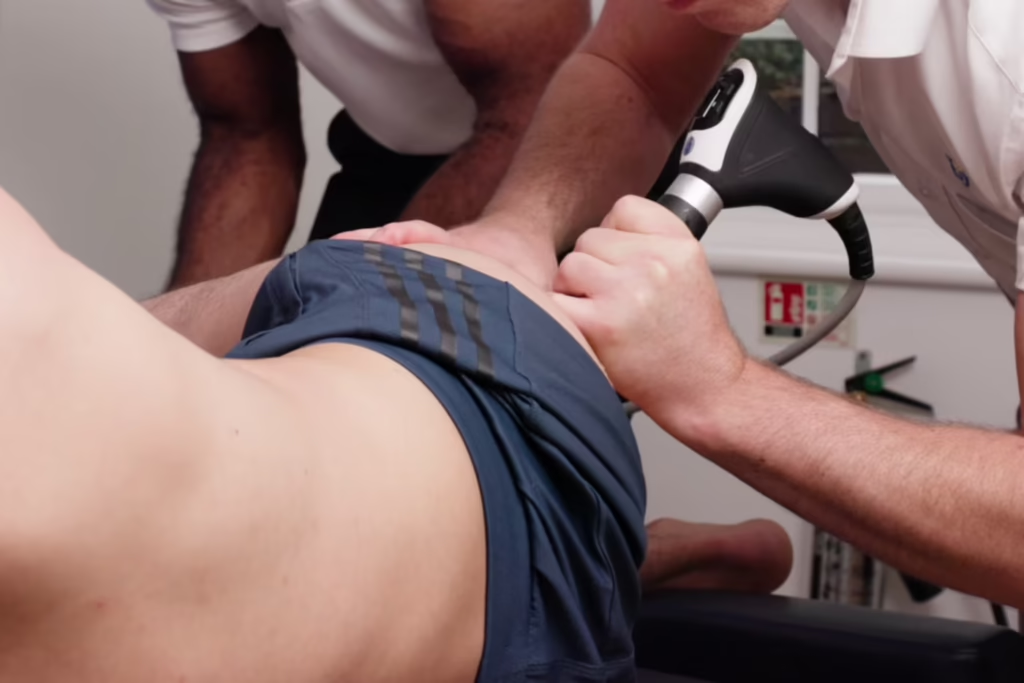
Chapter 3
When Should You Reassess Sooner?
Not all patients follow a smooth curve. Some may show accelerated progress; others may plateau or regress. [79] A reassessment might happen earlier than six visits if:
- Symptoms change suddenly or migrate.
- Results come faster than expected, and care needs to evolve.
- Pain persists despite ongoing treatment.
Reassessment is not about waiting for a problem. It’s about being responsive to change, good or bad.
Reassessments: Built-In, Not Bolted On
These are not just administrative check-ins; they are clinical audits of your progress, built into your care plan. During these reviews, we re-run your original baseline tests, compare results to previous benchmarks, and evaluate key performance indicators (KPIs) such as muscle control, flexibility, and joint stability.
We also assess your patient-reported outcomes to understand what’s improving in your daily life and what functional limitations remain. This dual insight, objective data and subjective feedback, is essential. [79][89]
From there, your plan is updated. That could mean progressing rehab, tapering visits, introducing new tools, or referring for imaging. The goal is always to respond in real time to how your body is healing, not just stick to a static protocol. This agility makes the difference between temporary relief and lasting progress.
When Chiropractic Progress Stalls: How to Identify and Resolve Treatment Plateaus
Not every patient moves forward at the same pace, and when results stall, it’s a normal part of the healing journey. Understanding that plateaus are not setbacks but valuable data points can shift a patient’s perspective during these phases.
For instance, if key performance indicators (KPIs) have plateaued, functional tests remain unchanged, or patient-reported outcomes show limited real-world improvements, we view it as a clinical cue to dig deeper. As we often say, ‘plateaus are data, not defeat.’ Embracing this viewpoint ensures we can adapt the treatment plan effectively, maintaining engagement and focus on long-term recovery goals.
- Have all root causes been identified? This could include unresolved joint instability, compensatory patterns, or poor healing capacity due to stress or lifestyle factors.
- Are the care frequency and volume sufficient?
- Are there additional or alternate strategies that could start to move the needle?
- Would targeted rehab, additional diagnostic imaging, or collaboration with another provider enhance results?
Healing is rarely a perfectly straight line. [89] Temporary flare-ups, slower periods of progress, or changes in symptoms do not automatically mean damage is worsening. In many cases, they simply indicate that the body’s current load exceeds its capacity or that the rehabilitation strategy needs to be adjusted. Sometimes recovery progresses not by pushing harder, but by improving pacing, movement quality, recovery habits, or exercise sequencing.
Progress reviews help us avoid blindly continuing a plan that isn’t delivering. [79] Instead, we use data to refine, redirect, or rebuild your care strategy. This approach isn’t just good for results, it’s critical for building trust, avoiding treatment fatigue, and keeping you engaged in your recovery.
That’s why structured, data-informed progress checks are an important part of evidence-based chiropractic care. [79
Final Thoughts: Data-Informed, Patient-Focused
Tracking progress is how we personalise care, hold ourselves accountable, and keep you informed. At The DISC Chiropractor in Surbiton, we don’t just ask how you’re feeling; we show you what’s changing. Because when you can see your progress clearly, you can confidently own your recovery.
That’s what real chiropractic progress looks like.
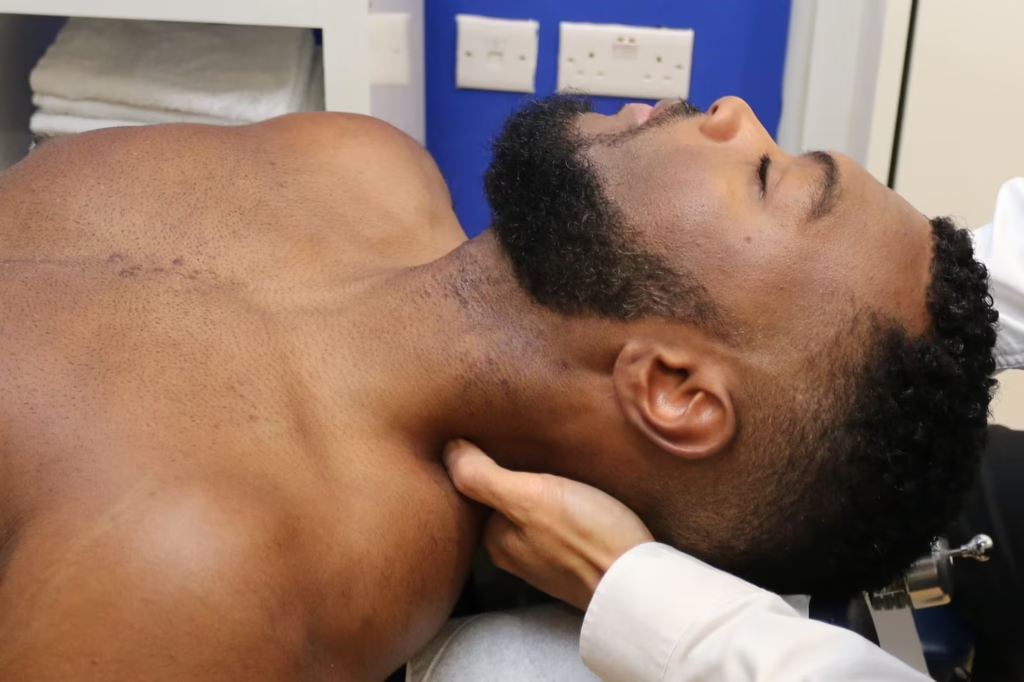
Chapter 4
How Chiropractic Care Plans Evolve Over Time
Chiropractic care is not a one-size-fits-all protocol. What begins as a strategy to relieve pain often shifts toward improving stability, mobility, and long-term function. The best care plans grow alongside your recovery, guided by structured reviews, key performance indicators (KPIs), and functional goals.
To help visualise this progression, think of it as a ladder: Pain Relief leads to Stability, then Strength, and finally Independence. This mental map can help reduce uncertainty and improve adherence, allowing patients to better understand their journey.
From Pain Relief to Performance: How Plans Adapt
Good care plans should adapt alongside your recovery, guided by structured reviews, key performance indicators (KPIs), and functional goals. [79,89] Early care usually focuses on calming pain and inflammation. But as symptoms ease, the emphasis shifts to restoring movement, improving control, and reinforcing strength. [13] During each progress review, typically every six to twelve visits, your local Surbiton chiropractor evaluates how well your body is responding.
Adjustments may include:
- Evolving from high-frequency care to a tapering schedule [81]
- Transitioning from symptom relief to performance goals [89]
- Adding functional rehab or changing techniques [13]
- Introducing supportive therapies like neuromuscular retraining, adhesion release, or functional stability work (HiEMT) (NB. Not all clinics have access to advanced treatment protocols like those available at The DISC Chiropractors in Surbiton.
One challenge in rehabilitation is that patients may stop care once symptoms begin to settle, even though function has not fully recovered. While this can feel logical, the stabilisation phase is often where longer-term results are protected. Early pain relief may occur before movement quality, muscular endurance, and postural control have fully recovered. Continuing into the next phase of care helps reinforce those gains and reduce the likelihood of symptoms returning under everyday stress. [89]
Each change should be grounded in real-time data from your progress, not arbitrary timeframes.
Reassessment Informs Treatment Progression
At The DISC Chiropractors in Surbiton, every six-visit reassessment is a decision point. The plan is updated to reflect new goals if KPIs and PROMs show meaningful improvement. [79][89] If not, we re-evaluate:
- Is there a missed or secondary diagnosis?
- Have we reached a plateau that needs a different approach?
- Do external factors (e.g. stress, poor ergonomics) need to be addressed?
These moments aren’t setbacks but checkpoints that ensure your plan remains personalised and productive.
Adjusting Techniques to Match Healing Phase
The techniques used throughout chiropractic care should reflect your body’s needs at each stage. [79] At The DISC Chiropractors in Surbiton, we typically see care progressing as follows:
- Early-phase care may start with gentle, low-force techniques to calm the nervous system and reduce pain sensitivity. [79]
- Mid-phase care might bring in more dynamic or structural adjustments to support joint mechanics and movement control. [92]
- Late-stage care often integrates functional rehabilitation and neuromuscular retraining to build long-term resilience. [13][89]
This staged progression recognises that, in many cases, the body becomes more adaptable and robust as healing unfolds, and care can safely intensify.
However, there are also cases where patients present with complex, high-load issues from day one. In these situations, an intensive, multi-modal approach is used immediately to stabilise quickly. Paradoxically, as these patients improve, their care plan often simplifies because their bodies no longer require as much external support.
These two viewpoints, gradually building intensity versus strategically scaling it back, both reflect responsive, patient-led care. The key is ongoing assessment: knowing whether your body needs more, less, or simply something different to continue progressing.
Adapting to Real-World Function
Healing isn’t just about feeling better; it’s about performing better in your day-to-day life. As pain subsides, we look at:
- Are you sitting, walking, or lifting without strain?
- Are you able to return to work, sport, or family life with confidence?
- Are there still compensations or asymmetries in movement?
Good chiropractors will help patients transition between passive and active care strategies as appropriate to their goals and stage of recovery. [13,79] Ultimately, recovery must translate into everyday life. It is not enough to feel better lying on a treatment table if prolonged sitting, lifting shopping bags, driving, gym training, or returning to work still provokes discomfort. The best chiropractors assess how your body performs under real-world demands and gradually help you rebuild tolerance to the activities that matter most to you.[89]
Final Thoughts: Dynamic Care Drives Results
The best chiropractic care isn’t static. It adjusts to reflect your progress, challenges, and evolving needs.
At The DISC Chiropractor in Surbiton, we build care plans that are living documents, responsive to the real-world changes in your body, not just rigid timelines. If your current care feels stuck or outdated, ask whether it’s keeping up with your recovery.
Your care should evolve. If it’s not, it’s time to find out why.
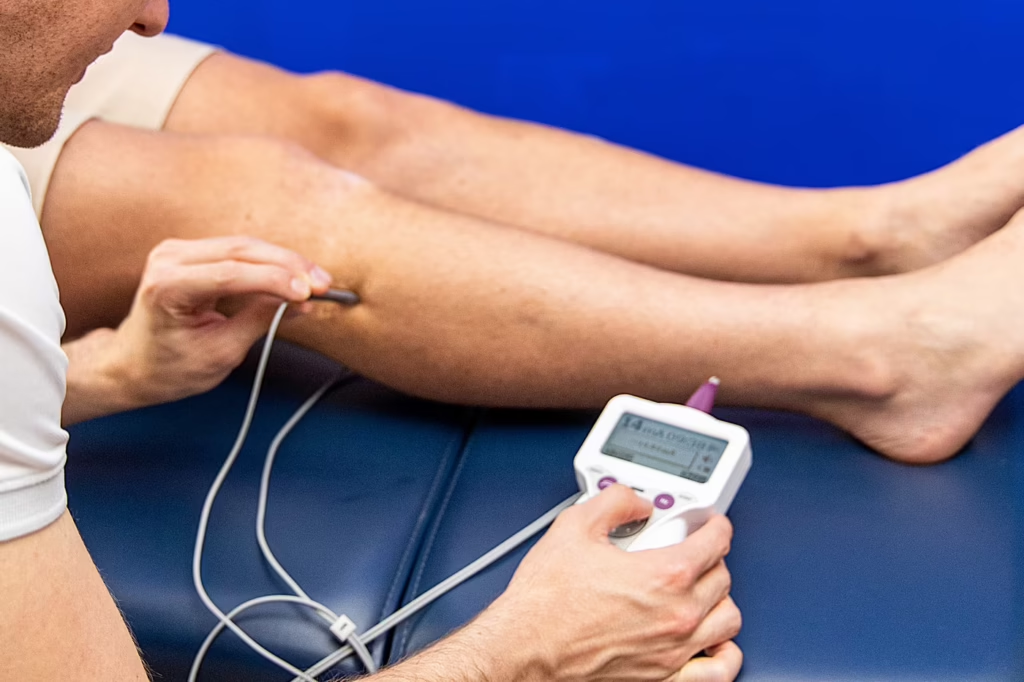
Chapter 5
What Role Do Rehabilitative Exercises Play in Your Local Surbiton Chiropractor’s Protocols
Chiropractic care is often associated with spinal adjustments and hands-on therapy. However, one of the most important components of long-term recovery happens outside the clinic: rehabilitative exercises. [89] These movements, stretches, and muscle activation strategies are designed to reinforce the work done on the treatment table and give your body the stability, strength, and control it needs to stay well. [13]
In this chapter, we’ll explore how chiropractic-led rehab fits into the healing process, how to choose the right exercises, and why it’s often the missing piece between temporary relief and lasting results.
Why Is Exercise an Essential Part of Long-Term Recovery?
While manual therapy can unlock restricted joints, reduce pain, and help regulate the nervous system, rehabilitative exercise is what enables those changes to last. [60][62] Without retraining the muscles, correcting faulty movement patterns, and reinforcing healthy postural habits, symptoms often return, even after a successful course of hands-on care. [89]
Properly prescribed exercises are designed to:
- Strengthen weak or inhibited muscles.
- Retrain neuromuscular coordination.
- Improve balance and movement control.
- Support spinal alignment and posture.
- Prevent recurring strain or injury.
- Extend and stabilise the results of your adjustments. [13]
Adjustments get the body moving, but rehab teaches it how to move correctly. Most importantly, the exercise plan is tailored to your unique needs. [69] An elderly patient with spinal stenosis will require an entirely different rehab pathway than a marathon runner. Still, both approaches are structured around the same foundational principles: Restoring Movement, Reinforcing Stability, and Building Strength.
Passive treatment alone rarely builds long-term resilience. While hands-on care can reduce pain and improve mobility, the body still needs strength, coordination, and stability to maintain those improvements under daily stress. Rehabilitative exercise helps “lock in” progress by teaching muscles and movement systems to better support the spine and joints during normal life.
How Do Good Chiropractors Choose the Right Rehab Exercises?
Not all exercises are created equal. Personalisation is key.
At The DISC Chiropractors in Surbiton, rehab is based on:
- The stage of recovery (early, mid, or late)
- Involved structures (e.g. disc, nerve, SI joint, muscle imbalance)
- Functional test outcomes (e.g. glute weakness, core instability)
- Your body’s response to specific movements
We don’t prescribe generic “back pain exercises” from the internet. We test, trial, and adapt each rehab program to support your underlying dysfunction, not just your symptoms.
Examples:
- Disc injury: directional stretches and core activation
- SI joint instability: glute training and anti-rotation work
- Postural overload: thoracic mobility and scapular control
Each movement is delivered at the right time, in the right sequence – restoring movement, reinforcing stability, and building strength.[13][79]
What’s the Difference Between Mobility, Stability, and Strength Exercises?
Understanding each type helps clarify the rehab process:
- Mobility exercises: Improve joint and tissue range of motion. Best early in care when restrictions or guarding are present. (e.g. Cat-Cow, Pelvic Tilts)
- Stability exercises: These exercises activate muscles that support joints through dynamic control. They include deep core work, balance drills, and isometrics. (e.g. Core Activation, Superman)
- Strengthening exercises: Build load tolerance and endurance. They often involve resistance bands, weights, or bodyweight drills tailored to your goals. (e.g. Air Squats, Glute Bridges)
Good chiropractors, like those at DISC, Surbiton, carefully sequence these exercise types based on each patient’s progression. [13][79] Advancing to strength work too early can provoke setbacks, while remaining in the mobility phase for too long may limit meaningful recovery.
Unfortunately, many patients with a history of back pain will relate to being handed a generic exercise sheet and sent away with little to no supervision or consideration of their current capabilities, a fast track to setbacks and frustration. Effective rehabilitation typically requires individualisation, progressive loading, and ongoing oversight. [13]
What If Your Problem Isn’t Stiffness — But Instability?
This distinction is important because not every patient benefits from aggressive stretching or mobility-focused exercise. In hypermobile or instability-driven cases, excessive flexibility work can sometimes worsen symptoms by further reducing joint control. These patients often respond better to carefully graded stability work that improves muscular support before introducing larger ranges of motion or higher loading strategies.
Not everyone arrives at our Surbiton clinic stiff and locked up. Some patients are inherently unstable. Common signs include:
- Pelvic instability (common in postpartum, hypermobile, or sedentary patients)
- Core weakness and poor bracing
- History of repeated sprains and strains
These cases require a stabilisation-first approach. Early mobility work may sometimes aggravate symptoms in these cases. Instead, we prioritise:
- Deep core engagement
- Anti-rotation and anti-extension drills
- Glute strengthening and load control
- Bracing and breath coordination
In some instances, a temporary sacroiliac bracing protocol may be necessary to provide passive support during daily activities while neuromuscular control is restored. At The DISC Chiropractors in Surbiton, we often need to use our high-intensity electromagnetic technology (HIEMT). This non-invasive technology may help support activation of the deep core and pelvic floor muscles alongside rehabilitation exercise.
Progress in these cases happens slowly and under control, with minimal load. Building foundational stability before chasing flexibility is critical, and the right support tools can accelerate this phase safely and effectively.
How Often Should You Perform Rehab Exercises at Home?
Consistency wins. Small, frequent sessions beat occasional big efforts.
We typically recommend:
- 4 days per week for strength and stability work [13]
- 10–20 minutes per session
- Integrating exercises into daily routines (before bed, after walks, during work breaks)
In acute conditions like sciatica, mobility drills may be warranted every hour to help manage inflammation and reduce symptoms. [79]
At The DISC Chiropractor in Surbiton, we encourage patients to treat mobility drills as movement hygiene rather than traditional exercise: brief, habitual actions woven into their daily routine. Whether you’re at your desk, watching TV, or walking between tasks, think of it as ‘fidgeting with purpose.’
Frequent, low-impact movement supports blood flow and joint health and keeps your nervous system engaged throughout the day. For instance, simple movements like shoulder rolls, seated leg lifts, or standing stretches can be easily integrated into your routine. Incorporating actions such as neck tilts while reading or wrist circles during breaks can further enhance your movement hygiene, making these activities a seamless part of your daily life.
Can Rehab Reduce the Need for Future Treatments?
Yes, that’s the goal. [81]
Any good chiropractor uses effective rehab to build confidence and understanding in how to manage their body and movement, and the ability to understand and manage their body confidently. It helps:
- Break reliance on passive care.
- Reduce flare-up frequency.
- Build resilience to stress.
- Maintain progress longer.
- Boost confidence in your own health.
It’s not a cure-all, but it’s a powerful tool for reducing dependency on treatment and empowering long-term wellness.
What If Exercises Cause Discomfort?
Discomfort is common. Pain is not. To help patients navigate this grey area, at The Disc Chiropractors in Surbiton, we use a “traffic light” model for exercise response:
Green light:
- Mild soreness or fatigue during or after exercise. Dull, achy sensations that resolve within 20 minutes with continued movement. These are generally safe and do not imply any tissue damage – they just temporarily inflame existing scar tissue, something often needed to break it down. Continue your exercises as planned.
Amber light:
- Noticeable stiffness or discomfort that lingers for a few hours. Muscle soreness that impairs your ability to move comfortably suggests the intensity may be too high or the movement may be poorly timed. To return to green light status, it’s worth reducing volume, improving form, or modifying technique. Often, it’s as simple as slowing down the exercise and engaging your core more. Modify your exercises accordingly and monitor your response.
Red light:
- Sharp, shooting, or escalating pain. Symptoms that last 12-24+ hours or increase with repetition. These are warning signs. Stop and report immediately so we can reassess. Contact our clinic for an evaluation.
Rehab should feel challenging but achievable. If an exercise consistently feels wrong or significantly worsens symptoms, it should be reassessed, you should trust your instincts. We expect feedback and will adjust your plan accordingly. Progress is best measured not by how much you do, but by how safely and consistently you can do it.
Final Thoughts: Adjustments Get You Moving — Rehab Keeps You There
Rehab bridges the gap between treatment and independence. It turns short-term relief into long-term change.
Rehab isn’t optional; it’s essential if you want to stay well, not just get well. [13][89]
Chapter 6
How Do You Know When to Stop or Scale Back Treatment in Surbiton?
At some point in your chiropractic journey, the question arises: “Am I done?” This might happen because you’re feeling better, unsure if you’re still improving, or wondering whether further care will make a difference. Knowing when and how to stop or scale back treatment is part of a structured recovery process. The key is ensuring this decision is clinical, not just emotional.
This chapter explores the signs you’re ready for a reduced care schedule, the difference between breaks and discharge, and how to monitor your body after pausing care. We also highlight one often-overlooked reason patients stop too early.
What If You Feel Like You’ve Stopped Making Progress?
Some patients stop chiropractic care not because they’re fully recovered but because they believe they’ve hit a ceiling. Progress slows, symptoms linger, or visits seem less impactful than when you started. This can be frustrating, and it’s fair to question whether continuing is worthwhile. Instead of quietly cancelling, consider scheduling a ‘progress audit.’ This offers a dedicated time to assess your progress and explore any necessary adjustments to your care strategy.
This is where structured reassessment becomes essential. Remember, our chiropractic clinic in Surbiton offers re-examinations at twice the legal requirement. Re-evaluating with objective tests and open discussion helps determine whether:
- Your care plan should transition to a new phase, such as from pain relief to rehab.
- A different technique or therapy would be more effective.
- Overlooked factors impeding progress, such as stress, posture, or movement habits.
- You’ve reached the limits of your recovery, and targets should be reset for longevity rather than continued improvement, something often termed a gradual discharge.
The takeaway? If you feel stuck, don’t simply stop; pause with purpose. A structured review helps clarify what’s next: progression, redirection, or strategic closure. Clarity at this stage ensures you exit care confidently and prevents unresolved issues from resurfacing later.
What Are the Clinical Signs That Suggest You’ve Reached Your Goals?
Beyond feeling better, clinical signs show when goals have been reached. These include:
- Pain relief that holds between visits
- Restored joint range of motion for your condition
- Maintained stability and strength
- Ability to perform daily tasks without restriction
- Previously positive orthopaedic and neurological tests are now cleared.
These indicators reflect functional recovery, not just symptom relief. If they apply, it may be time to scale back or finish care with confidence.
Can You Reduce Treatment Frequency and Still Maintain Results?
Yes. Many patients thrive with fewer visits once they reach a state of stability.
Momentum is easier to maintain than to build from scratch. A typical tapering schedule might look like:
- Two visits per week, reducing to one
- Then fortnightly
- Eventually, once a month or as needed
Good chiropractors know that this tapering phase helps prove that progress is sustainable. It’s also a chance to focus on home exercises, movement habits, and lifestyle changes that support independence. Sometimes this is described as a phased discharge, giving you and your body time to understand the effort required to maintain the gains, such as stretching and exercising.
What’s the Difference Between a Treatment Break and Discharge?
A treatment break is a planned pause, usually lasting 2 to 6 weeks, to assess how your body holds up without treatment. It’s often used during busy periods or when reassessing the need for continued treatment.
A discharge marks the formal end of a care plan, with no further appointments scheduled unless new issues arise. It indicates your condition is now manageable through lifestyle and self-care.
Treatment Break | Temporary pause | Return for reassessment |
Discharge | Formal case completion | Return only if needed |
The best chiropractors base this on quantifiable outcomes, not guesswork.
It’s important to understand that back pain, for instance, isn’t a disease with a fixed cure. Symptom resolution and improved function are significant, but maintenance is ongoing, just like fitness or nutrition.
Should You Taper Off Care Gradually or Stop Abruptly?
Gradual reduction is often preferred, especially for individuals with:
- Chronic or recurring issues
- Disc or nerve-related symptoms
- Structural instabilities
- High daily physical or emotional stress
Abruptly stopping can lead to setbacks if the body hasn’t fully adapted. Tapering allows continued oversight and reinforces independence.
That said, if the issue was minor and resolved quickly, a full discharge may be appropriate. Most patients, however, benefit from a step-down phase that supports confidence and long-term gains.
At The DISC Chiropractor in Surbiton, we have a strong community of maintenance patients, but as the oldest and biggest chiropractic clinic in Surbiton, we often get returning faces over the months, years and even decades, which we always welcome back warmly.
What Should You Monitor After Stopping Chiropractic Care?
Even after your final session, healing continues. Watch for:
- Return of pain, especially under physical or emotional stress
- A reduction of mobility or flexibility
- Fatigue, poor sleep, or decreased concentration
- A gradual return to old habits, like prolonged sitting or reduced activity
If these occur, a timely check-in can prevent more significant setbacks.
When Should You Return to Your Chiropractor Post-Discharge?
You don’t have to wait for a crisis to return. Consider checking in if:
- Familiar symptoms begin to return.
- You experience a new injury or a high-stress event.
- You want to update your posture or workstation setup.
- You have a demanding event ahead, like exams or travel.
- You prefer periodic maintenance visits to stay proactive.
It’s important to understand you can come in for a check-up if something feels “off,” even without pain. Early attention can prevent future disruption.
At The DISC Chiropractor in Surbiton, we see discharge as mission accomplished, not goodbye.
Final Thoughts: Discharge with Confidence, Return with Clarity
Stopping care is often the final stage of a successful plan. It should be based on evidence, not assumptions or frustration.
Whether you’re progressing well, feeling uncertain, or hitting a plateau, the answer is the same: reassess, reflect, and adjust. With proper guidance, you’ll know when to continue, when to scale back, and when to rest.
And when the time comes, we’ll support your next step forward.

Chapter 7
What Is Maintenance Care in Surbiton and Is It Right for You?
You’ve reached your goals. Your pain has improved. Your movement is back. So now what?
For many patients, this is where chiropractic care ends. And that’s fine. For some, resolving the immediate issue is enough. But for others, particularly those with a history of recurring problems, chronic stress or demanding lifestyles, stopping completely can lead to a gradual return of symptoms.
“There’s only one way to coast, downhill!”
This is where maintenance care comes in: a personalised, low-frequency, proactive strategy designed to sustain the momentum you’ve worked so hard to build, keep your spine functioning optimally, and help prevent the gradual return of issues.
What Is Maintenance Chiropractic Care and How Does It Work?
Maintenance care is a preventive, supportive phase of chiropractic treatment. It begins after your active recovery is complete, when symptoms have resolved, and function has returned. [81] Its aim is to help you maintain progress by:
- Sustaining spinal mobility and alignment
- Addressing small restrictions or imbalances before they become problems
- Reinforcing healthy movement habits [13]
- Monitoring for early signs of overload, compensation, or flare-ups [81,89]
The key difference between active and maintenance care is intent. You’re no longer correcting dysfunction; you’re protecting progress and investing in your future health.
A typical maintenance visit at The DISC Chiropractors in Surbiton may include:
- A brief reassessment
- Targeted adjustments or soft tissue work
- Updates to your home rehab or postural routine
- Guidance on sleep, stress, ergonomics, or training loads
It’s short, focused, and preventive — like a routine service check.
Who Benefits Most from Ongoing Supportive Care?
Some patients are perfectly suited to self-management once their initial goals have been achieved. Others, particularly those with recurring injuries, demanding lifestyles, or ongoing physical stress, may benefit from periodic supportive care. The decision should always reflect the patient’s history, preferences, lifestyle, and ability to maintain progress independently, rather than following a fixed formula. [81,89]
Maintenance care isn’t for everyone. But it can be highly beneficial for those who:
- Experience recurring episodes of discomfort.
- Work in physically demanding roles.
- Sit for long hours or have poor postural habits.
- Deal with chronic stress or tension.
- Have spinal degeneration or arthritis.
- Are active and want to optimise performance.
It’s also popular among patients who simply want to maintain their health and comfort, similar to regular dental visits or personal training sessions.
Maintenance care is not about dependency. It’s about recognising what your body needs and preventing regression. For many patients, this phase begins with a structured, phased discharge; a step-down in visit frequency that allows the body to adapt independently while still under professional oversight.
Phased discharge acts as a test: can your current lifestyle support the improvements you’ve made, or does your routine still require ongoing support to stay pain-free and functional? It provides space to answer that question safely, helping you and your chiropractor decide whether continued maintenance care is necessary or if you’re ready to manage independently.
By building this step into the recovery process, patients gain greater clarity, confidence, and ownership of their long-term health. It’s not about staying in care forever; it’s about understanding your real-world capacity and protecting the gains you’ve made.
Some critics mislabel this process as “once you start, you can’t stop,” but that’s untrue. Phased discharge reinforces autonomy. People choose to continue care because they value how it makes them feel, move, and perform. Why stop something that supports your health and lifestyle goals?
How Often Should Maintenance Visits Be Scheduled?
There is no universal schedule. Any chiropractor recommending the same frequency for every patient isn’t practising individualised care. [79]
At The DISC Chiropractor in Surbiton, maintenance schedules are based on your goals, lifestyle, and condition. Common frequencies include:
- Every 4 to 6 weeks for higher-demand individuals or those with chronic issues
- Every 8 to 12 weeks for lower-risk patients
- Seasonally or around life events such as travel, training blocks, or periods of stress
Your schedule can flex with your lifestyle. For example, some patients may benefit from shorter intervals during winter or high-stress periods.
The aim is always the same: maintain health without unnecessary appointments. The best chiropractors use objective, quantifiable measures to guide this decision. At The DISC Chiropractor in Surbiton, for example, we use functional muscle testing to assess joint stability. Suppose a patient returns after 4 to 8 weeks and continues to demonstrate stability during testing. In that case, it suggests they have adapted well, and we can confidently extend the interval before their next visit. This helps strike the right balance between ongoing support and the promotion of independence. [79]
What’s the Difference Between Preventive Care and Over-Treatment?
It’s a valid question. Proactive care is prevalent across the healthcare and performance industries. People routinely maintain fitness with exercise, preserve oral health with dental check-ups, or manage nutrition before problems develop. Chiropractic maintenance care follows a similar principle when used appropriately. The key difference between prevention and overtreatment is whether care remains individualised, evidence-informed, and responsive to the patient’s changing needs over time.
Maintenance care is patient-focused and responsive. Over-treatment is routine-driven and often ignores progress. Here’s how they differ:
Tailored to the individual | Based on rigid packages or standard routines |
Scheduled infrequently (every 4 to 8 weeks) | Scheduled weekly without symptoms |
Reviewed and adjusted regularly | Continued indefinitely without evaluation |
Encourages autonomy and self-management | Can promote dependence and reduce patient control |
At The DISC Chiropractor in Surbiton, we avoid long-term protocols that lack flexibility. [81] We track progress, welcome feedback, and encourage independence when patients are ready. If you can’t go more than a week or two without your condition flaring up, one could argue that the root cause of your complaint has not yet been found.
Can Maintenance Care Reduce Flare-Ups or Future Injuries?
Yes. This is one of the most significant advantages.
Daily physical stress, posture, movement habits, and lifestyle factors can all influence spinal symptoms and function over time. [89]. Over time, this can lead to joint stiffness, nerve irritation, and muscle imbalance, often before you feel pain.
Studies show patients who continue with maintenance care tend to have fewer episodes, recover faster, and require fewer acute treatments. [81]
Why? Because:
- Joints stay more mobile.
- Muscles remain more relaxed.
- The nervous system adapts better to stress.
- Early signs of dysfunction are caught sooner.
- Regular care supports long-term resilience.
Think of it like fitness training. Consistency builds strength and reduces risk. Chiropractic maintenance care does the same for your spine.
Final Thoughts: Should You Consider Maintenance Care?
Only you can decide if it fits your goals, lifestyle, and values. At The DISC Chiropractor in Surbiton, we’ll never pressure you into ongoing care. We believe in giving you full autonomy over your health decisions and prioritise transparency and communication. Our team is here to explain the benefits of each option and support whichever path you choose, ensuring that you feel comfortable and in control throughout your care journey.
Your spine, your choice. Our role is to keep you informed, confident, and supported at every stage.
Chapter 8
Conclusion — Your Chiropractic Care Journey in Perspective
Your chiropractic journey is more than a series of adjustments. It’s a structured, evolving process to guide you from pain to performance and ultimately to self-reliance. Each phase of care represents a milestone in that progression.
It begins with shifting your understanding; pain relief is merely the starting point. True recovery involves restoring full function and confidence in your body. From that point, your progress is carefully assessed using objective tests and your own reported experience. Regular reassessments ensure your care remains responsive and aligned with your goals.
As your condition improves, your care plan evolves. What started as pain relief is now incorporating rehabilitative strategies, lifestyle adaptations, and functional goals. The introduction of targeted exercises helps you stabilise gains, retrain key movement patterns, and support the changes made through manual therapy. For some, this unlocks the ability to taper care and test independence.
Knowing when to scale back is part of the process. Graduated discharge helps you and your chiropractor decide whether you’re ready to manage on your own or whether occasional support is still needed.
For those who benefit from ongoing care, maintenance becomes a proactive strategy. It’s not about dependency, it’s about protecting progress, preventing setbacks, and feeling your best.
A commitment to clarity, collaboration, and adaptability ties all this together. The DISC Chiropractor in Surbiton don’t offer one-size-fits-all treatment. We provide a dynamic, responsive model that meets you where you are and helps you move forward.
Whether you’re just beginning your journey or thinking about your next step, know this: lasting change happens when care is tailored, progress is measured, and you are empowered.
Recovery is a partnership: your action, our guidance. You’ve got this, and we stand ready to support